When a flexible partial is the better choice
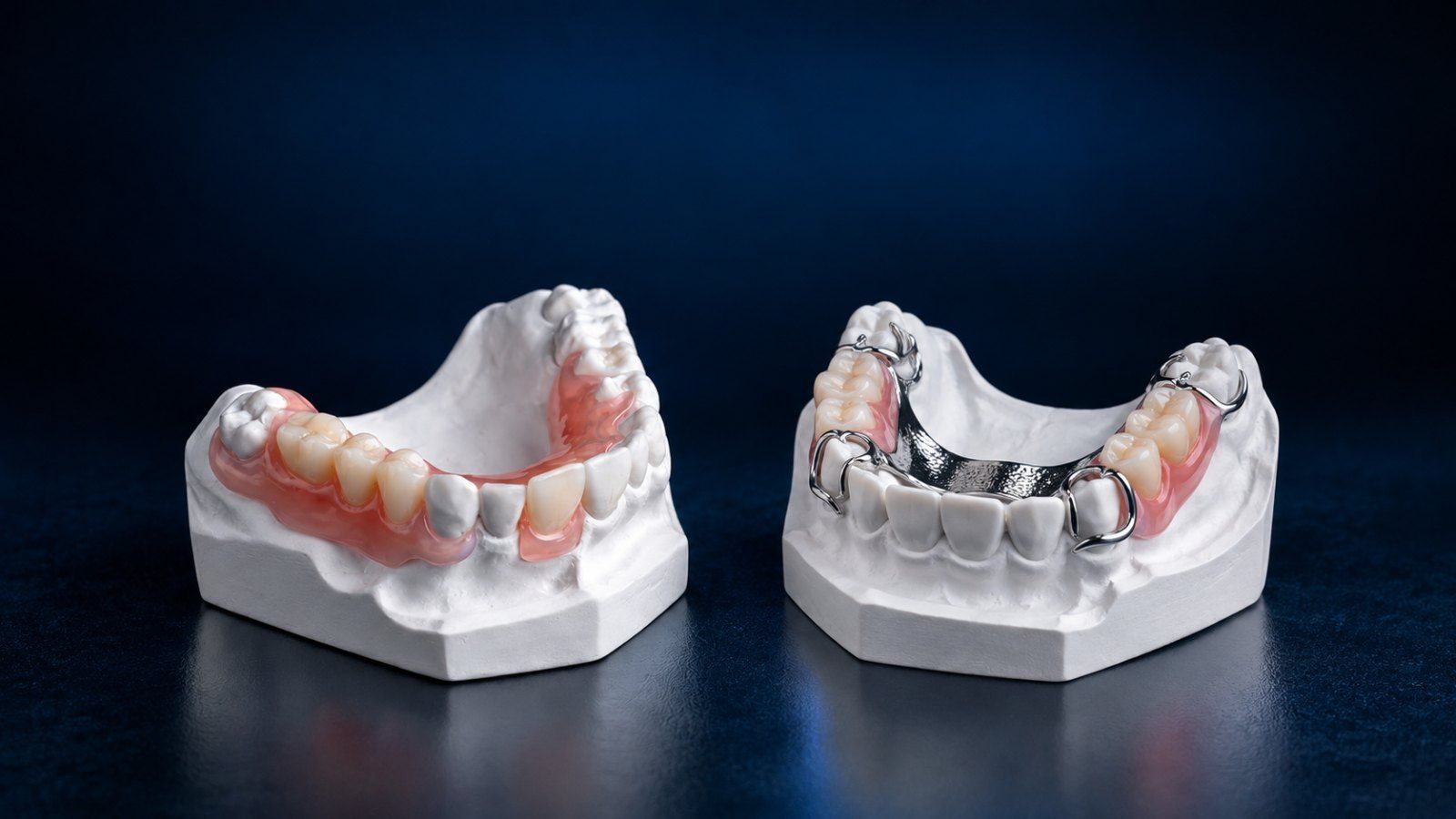
Flexible partials shine when appearance and comfort drive the patient's decision. Because the clasps are made from a tissue-colored, resilient material, there is no metal display at the smile line, which makes them a natural fit for anterior and premolar cases. They are lightweight, adapt to undercuts, and are often easier for patients to wear from the first day. A metal free framework is also the clear choice for patients with metal sensitivities. Flexible partials work well as interim restorations during implant healing, too.
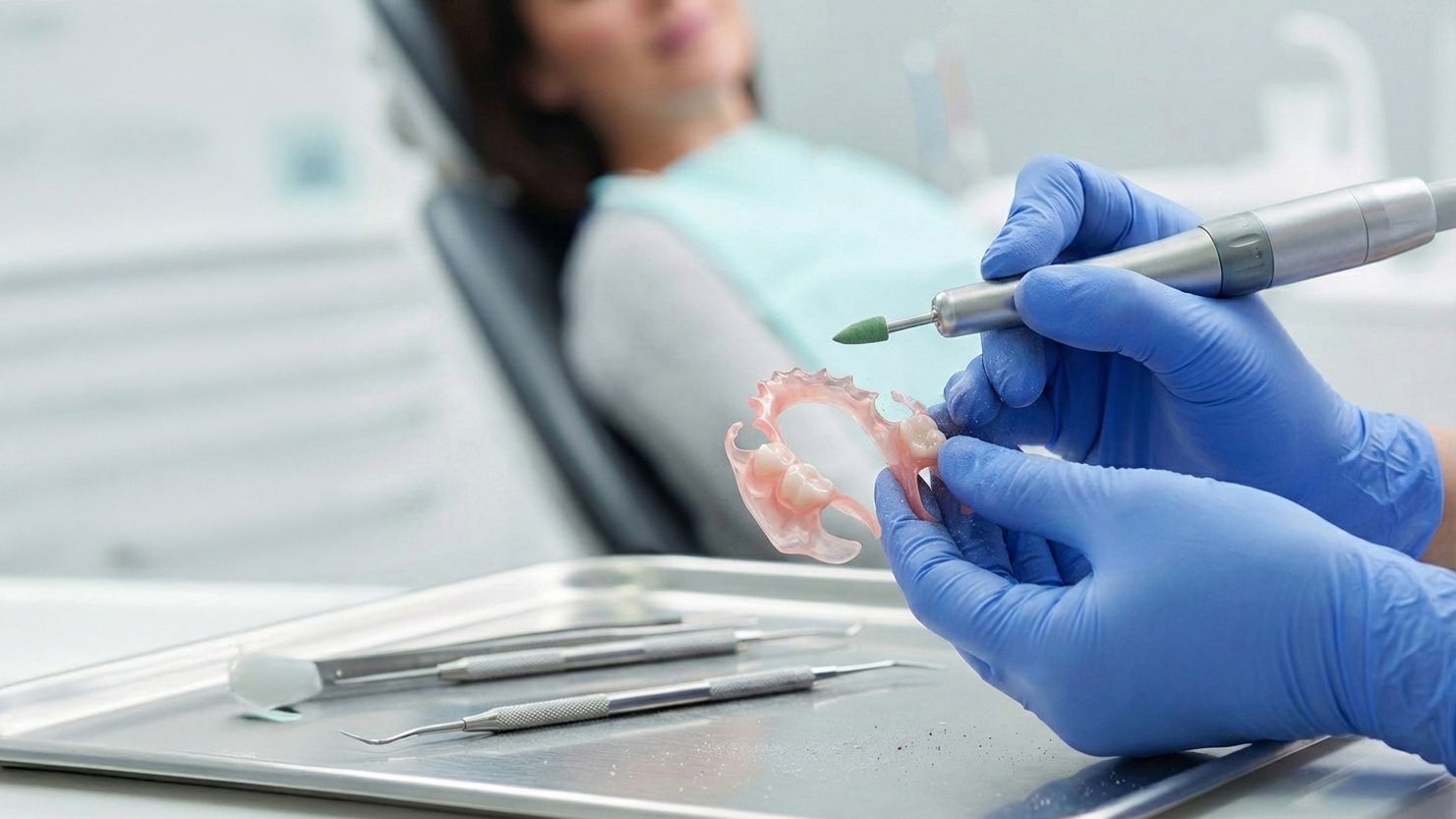
Not all flexible partials are the same. Older flexible materials can be difficult to reline or add to, which forces a remake when tissue changes or another tooth is lost. Choose a serviceable system that can be rebased, repaired, and expanded in the lab.
When a cast metal partial is the better choice
Cast metal partials remain the standard when rigidity and support matter most. A metal framework with rests and a rigid major connector distributes occlusal load across the remaining teeth and tissue, which is important for long distal extension cases, patients with heavy bites, and partials expected to serve for many years as a definitive restoration. Metal clasps can also be adjusted chairside to fine-tune retention. The tradeoff is esthetics, since metal clasps may be visible, and the material is not suitable for patients who are sensitive to metal.
When a hybrid design makes sense
Some patients need the support of metal and the esthetics of flexible clasps. A hybrid partial combines a metal framework for rigidity with flexible clasps in the visible areas. It is a strong option for patients missing all posterior teeth, or for anyone who needs a definitive, well supported partial but does not want metal showing when they smile.
Questions to ask before you prescribe
Before choosing a framework, consider:
- How much tooth support is available, and are there long distal extensions?
- Will metal clasps show in the patient's smile?
- Does the patient have any metal sensitivities?
- Is this an interim or a definitive restoration?
- How likely is the patient to lose another tooth, and can the partial be added to if they do?
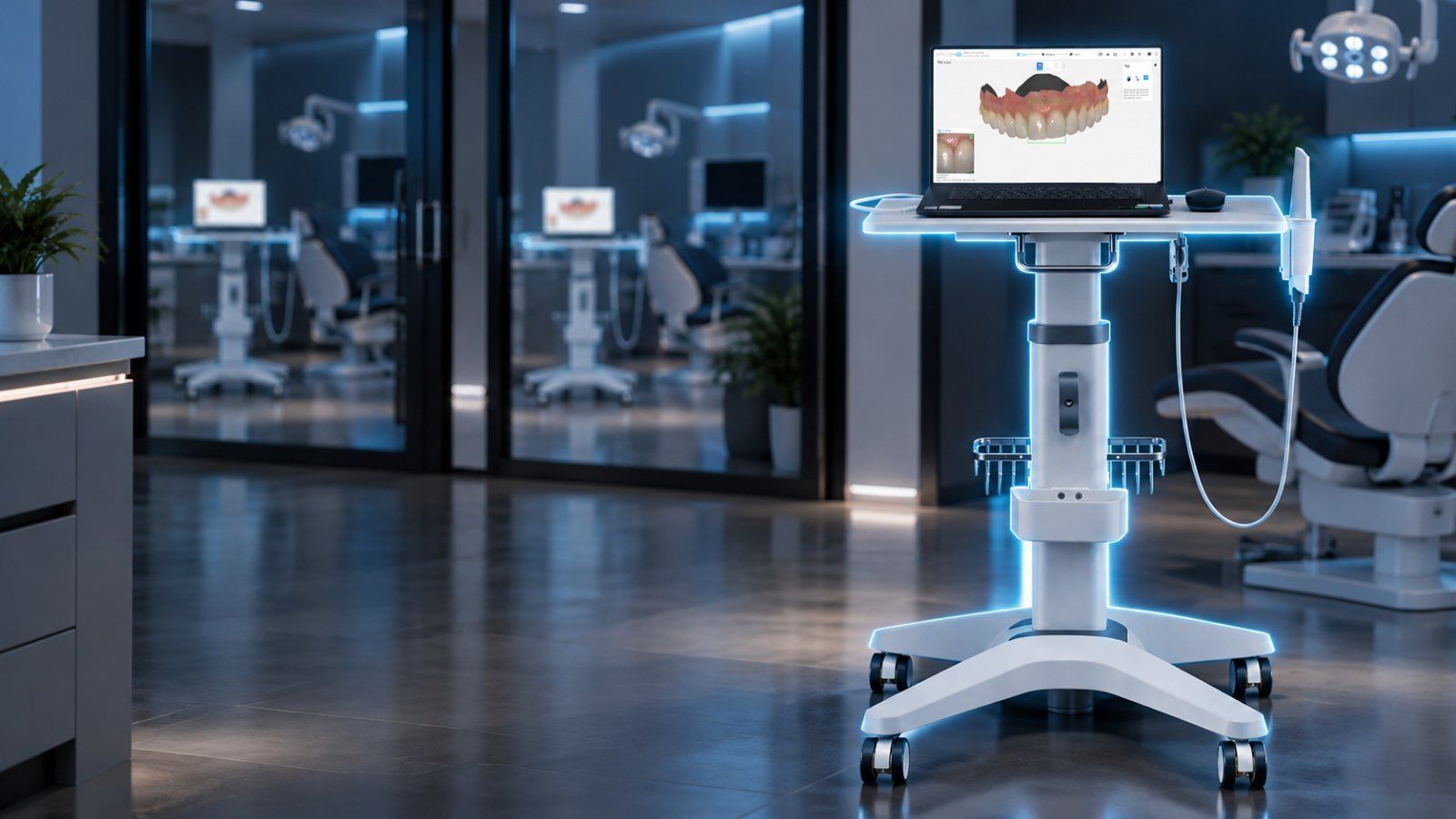
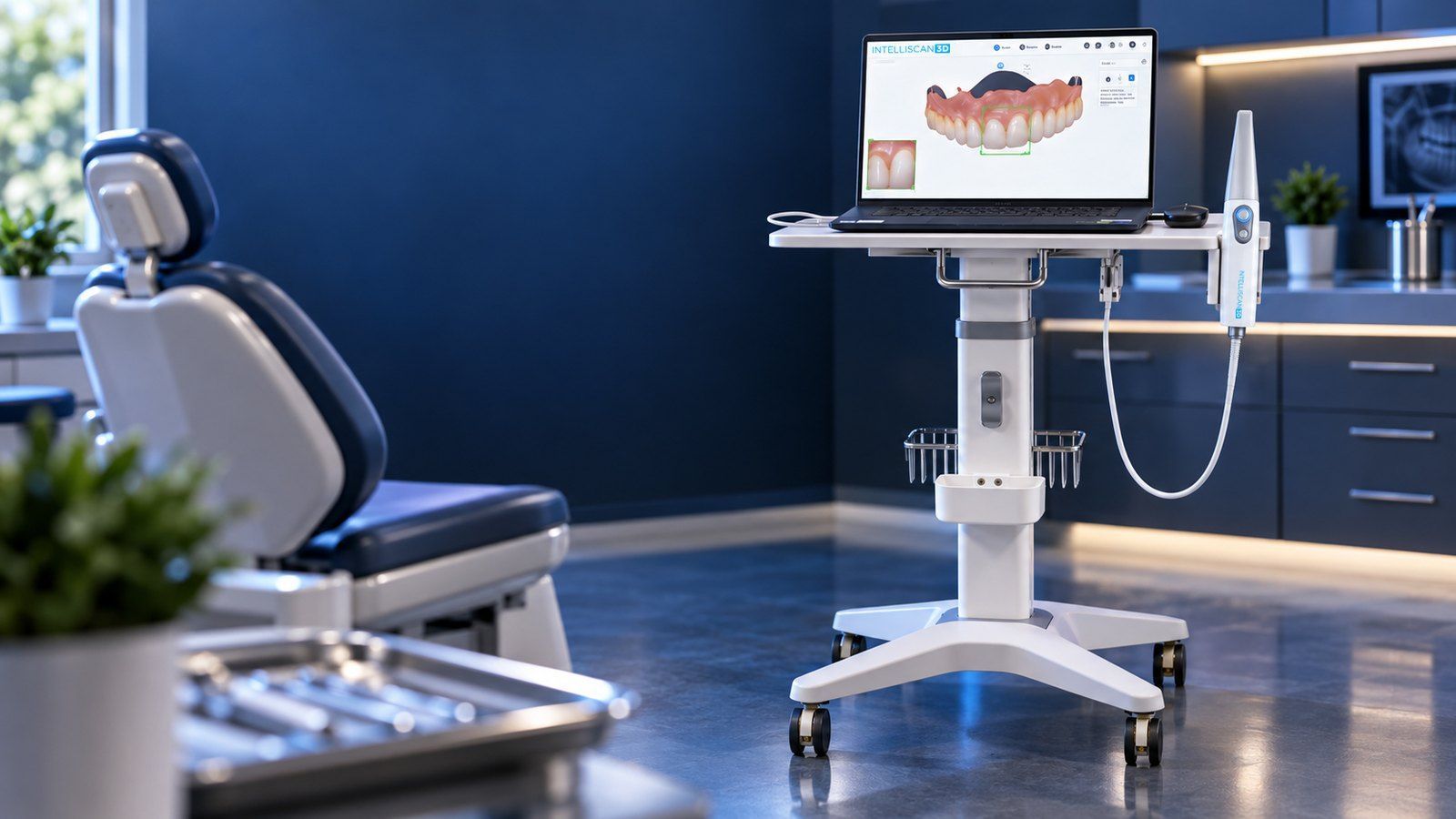
- Will you send a digital scan or a conventional impression?
How Bayshore makes the choice easier
Bayshore Dental Studio offers both directions in one serviceable system.
BAYFLEX flexible partial dentures
are made from a resilient, high performance nylon thermoplastic that is monomer free, BPA free, hypoallergenic, and highly stain resistant, with no visible metal clasps. Every BAYFLEX partial can be rebased, repaired, and expanded with additional teeth or clasps without remaking the appliance. Options include BAYFLEX Basic for most partially edentulous cases, BAYFLEX Hybrid with a metal framework and flexible clasps for cases that need more support, BAYFLEX Single Tooth for interim and implant healing cases, and
BAYFLEX Clearframe, a clear, semi-rigid, metal free frame. Cases can start from a scan with the
IntelliScan 3D
or a traditional impression, and BAYFLEX is recommended by 93 percent of clinicians surveyed in a Clinicians Report evaluation. For more on choosing a lab, see our guide on
how to choose a flexible partial denture lab.
Send your next partial case to Bayshore.