October 16, 2026

Scanner Program or Ownership? How Multi-Location Practices Should Choose an Intraoral Scanner

This article has been written by Dustin Drudy

Scanner Program or Ownership? How Multi-Location Practices Should Choose an Intraoral Scanner

The quick answer: for most multi-location practices, owning an open-system intraoral scanner costs less over five years and keeps you in control of your labs, your workflow, and your data. Scanner programs, which bundle a scanner with a subscription, lease, or required lab volume, lower the upfront cost but add recurring fees and often limit where cases can go. The strongest approach for growing groups is to own the scanners and pair them with a lab membership that lowers lab fees without locking you in.


What is an intraoral scanner program?


A scanner program bundles the hardware with ongoing obligations. Common versions include monthly subscriptions or software fees, leases with a buyout at the end of the term, per-scan charges, and "free" or discounted scanners tied to minimum case volume at a specific lab. These programs can make it easy to get started, but the true cost shows up over time, and the terms usually multiply with every location you add.


Scanner program vs. ownership at a glance
Factor Scanner program Owning an open-system scanner
Upfront cost Low or none One-time purchase, financing available
Ongoing fees Subscriptions, leases, or per-scan charges No subscriptions or per-scan fees
Lab choice Often tied to one lab or required volume Send cases to any lab
Cost over 5 years Rises with each location and each month Fixed, then lowest cost per scan
Standardization across offices Depends on program terms per location Same scanner and workflow in every office
End of term Return, renew, or buy out You already own it
Support and training Varies by program Depends on the vendor, so ask before you buy
Compare the true five year cost

Look past the monthly payment. For each location, add the purchase or lease cost, subscriptions, software licenses, per-scan fees, and any lab volume commitments over five years. Then compare that against owning the scanner outright. Ownership has a higher first-year cost, but with no recurring fees it usually becomes the lower-cost option within the first couple of years, and the savings grow with every office you add. Remember to count what digital scanning saves on impression material, shipping, retakes, and chair time in either model.


Keep control of your labs and your data


Many scanner programs are designed to route cases to a particular lab. That can work until quality, turnaround, or pricing changes and you need options. An open system exports standard digital files, so each office can send cases to the lab that fits the restoration, and your group keeps full control of its patient scans. For multi-location practices, that flexibility protects both quality and negotiating power.


Standardize every location on one workflow


Groups grow fastest when every office works the same way. Owning the same scanner in every operatory means one training program, one set of protocols, and consistent scan quality that your labs can count on. It also makes it simple to add a new location: buy the scanner, train the team, and plug into the workflow you already use, with no new program contract to negotiate.


Do not overlook support and training


The biggest risk with any scanner is that it goes unused. Whether you choose a program or ownership, confirm who trains each office, whether training continues as staff turns over, and how fast support responds when a scanner has a problem during a patient visit. For multi-location groups, look for unlimited support and training that covers every office, not just the first install.


The best of both: own the scanner, join a lab membership


You do not have to choose between low lab costs and ownership. Pairing an owned, open-system scanner with a lab membership gives multi-location practices discounted lab fees and a streamlined digital workflow, without subscriptions on the hardware or contracts that lock every case to one lab.


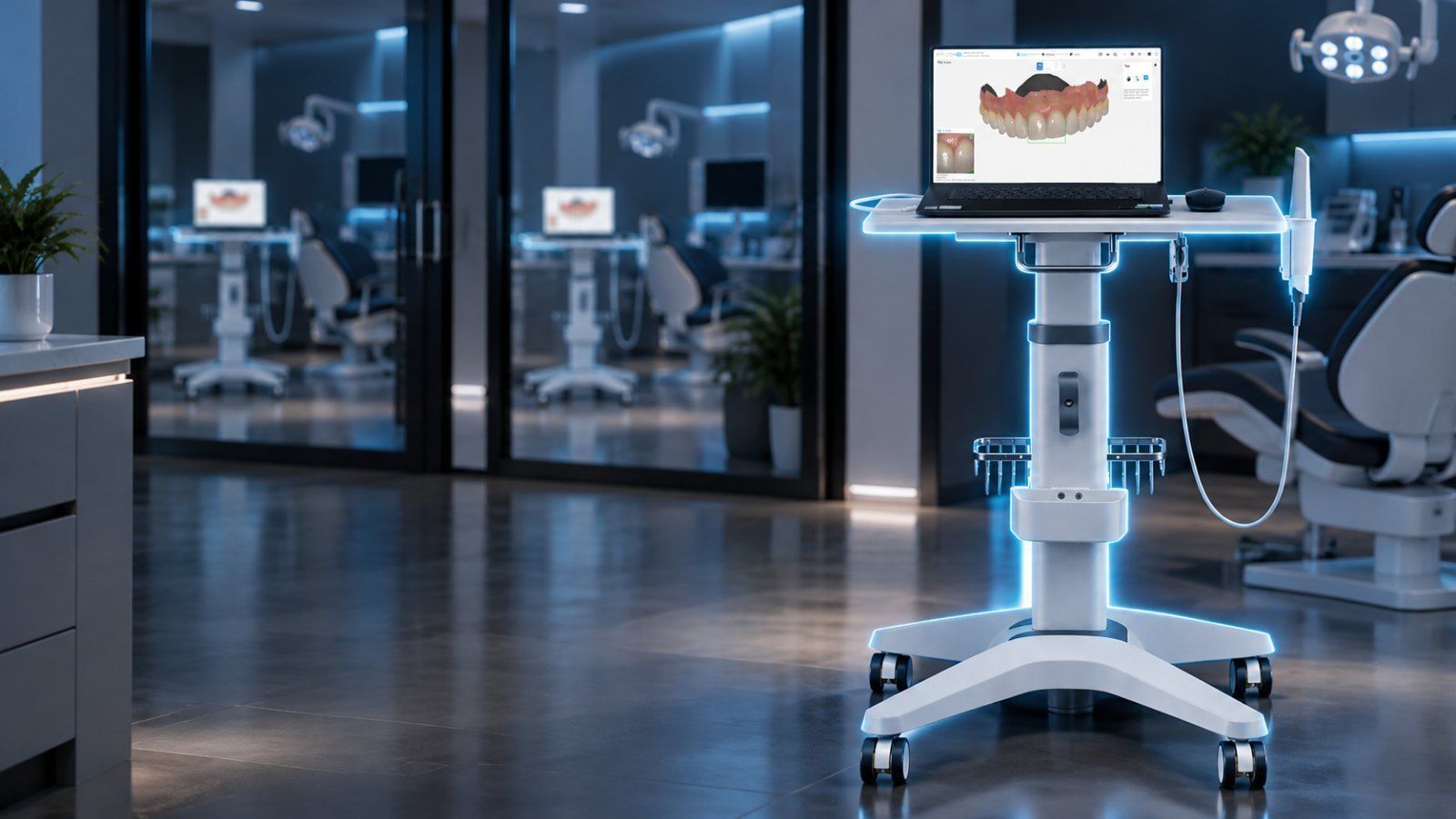
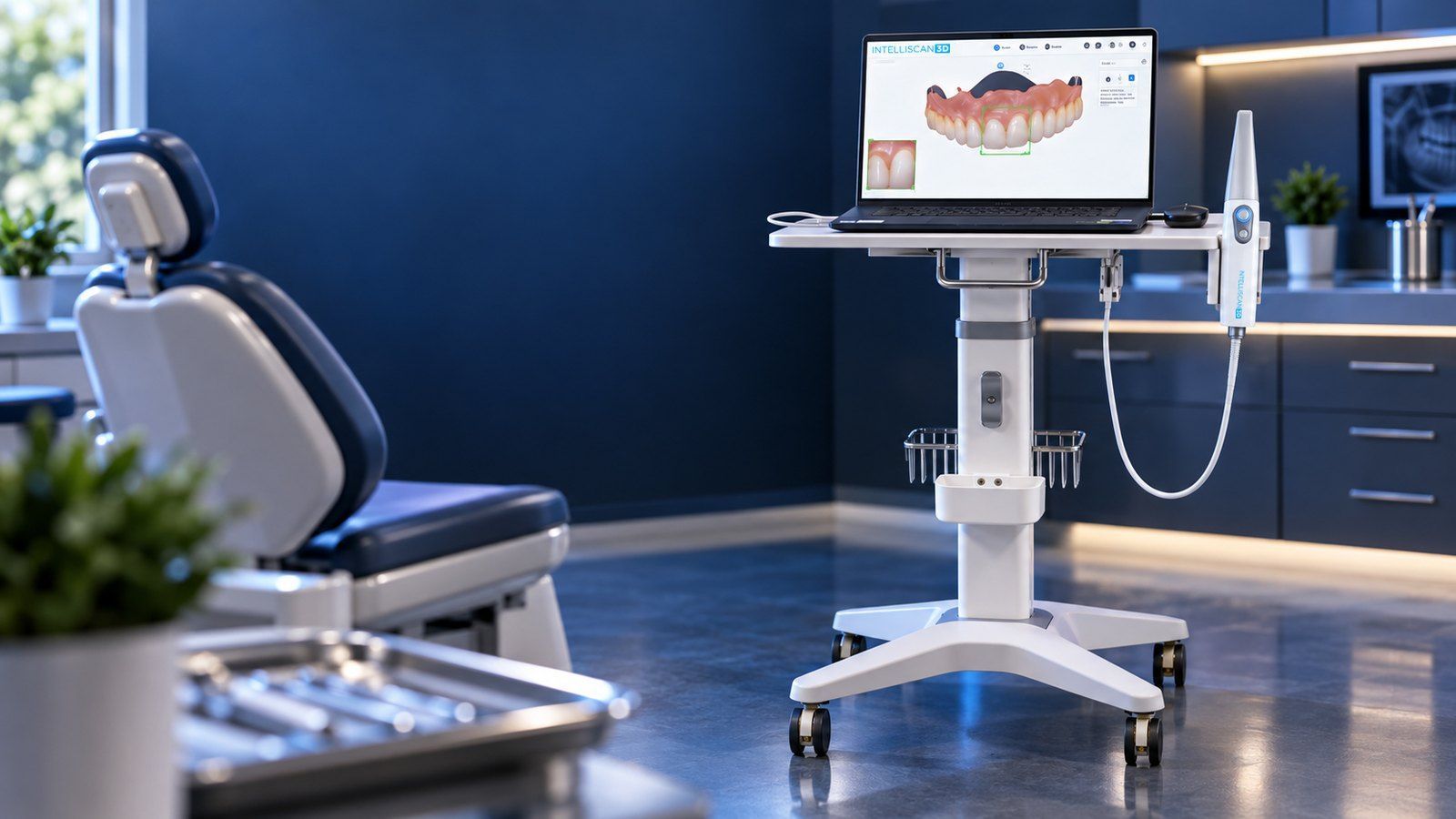
That is how Bayshore Dental Studio approaches it. The IntelliScan 3D Model Y intraoral scanner is an open system you own outright, with no subscriptions or per-scan fees. It delivers 10 micron accuracy, a 25 mm depth of field, AI detection of caries and plaque, self calibrating optics, two tip sizes including a mini tip, and a treatment plan presentation mode, and it doubles as an intraoral camera. Every scanner includes free unlimited U.S.-based same-day support and service and free personal virtual training, backed by a 30 day money back guarantee and a 5 year warranty. Practices that join Bayshore Scans Club can save up to 50 percent on lab fees through the Bayshore online portal. Growing groups can also explore our full-service dental lab services, or schedule an IntelliScan demo to see it in your own office..

  • Is it better to own or subscribe to an intraoral scanner?

    For most practices, owning is better long term. Owning an open-system scanner has a higher upfront cost, but with no subscriptions or per-scan fees it usually costs less over five years, and you can send cases to any lab. Subscriptions and programs lower the starting cost but add recurring fees and often limit lab choice.

  • What should multi-location practices look for in an intraoral scanner?

    Look for an open system you can standardize across every office, no per-location subscriptions or per-scan fees, unlimited support and training for every team, and consistent scan quality your labs can rely on. Compare the five year cost per location, not just the monthly payment.

  • Can I lower lab costs without a scanner program?

    Yes. Pairing an owned, open-system scanner with a lab membership lowers lab fees without tying your scanner to one lab. For example, Bayshore Scans Club members can save up to 50 percent on lab fees while keeping full ownership of their IntelliScan scanners.

By Dustin Drudy • October 16, 2026
Buying an intraoral scanner? Evaluate support, software, versatility, clinical proof, 5-year cost, warranty, and scan quality before you commit.
By Dustin Drudy • October 15, 2026
What to ask before choosing a flexible partial denture lab: rebasing, adding teeth, repairs, materials, fit, and turnaround. A practical guide for dentists.
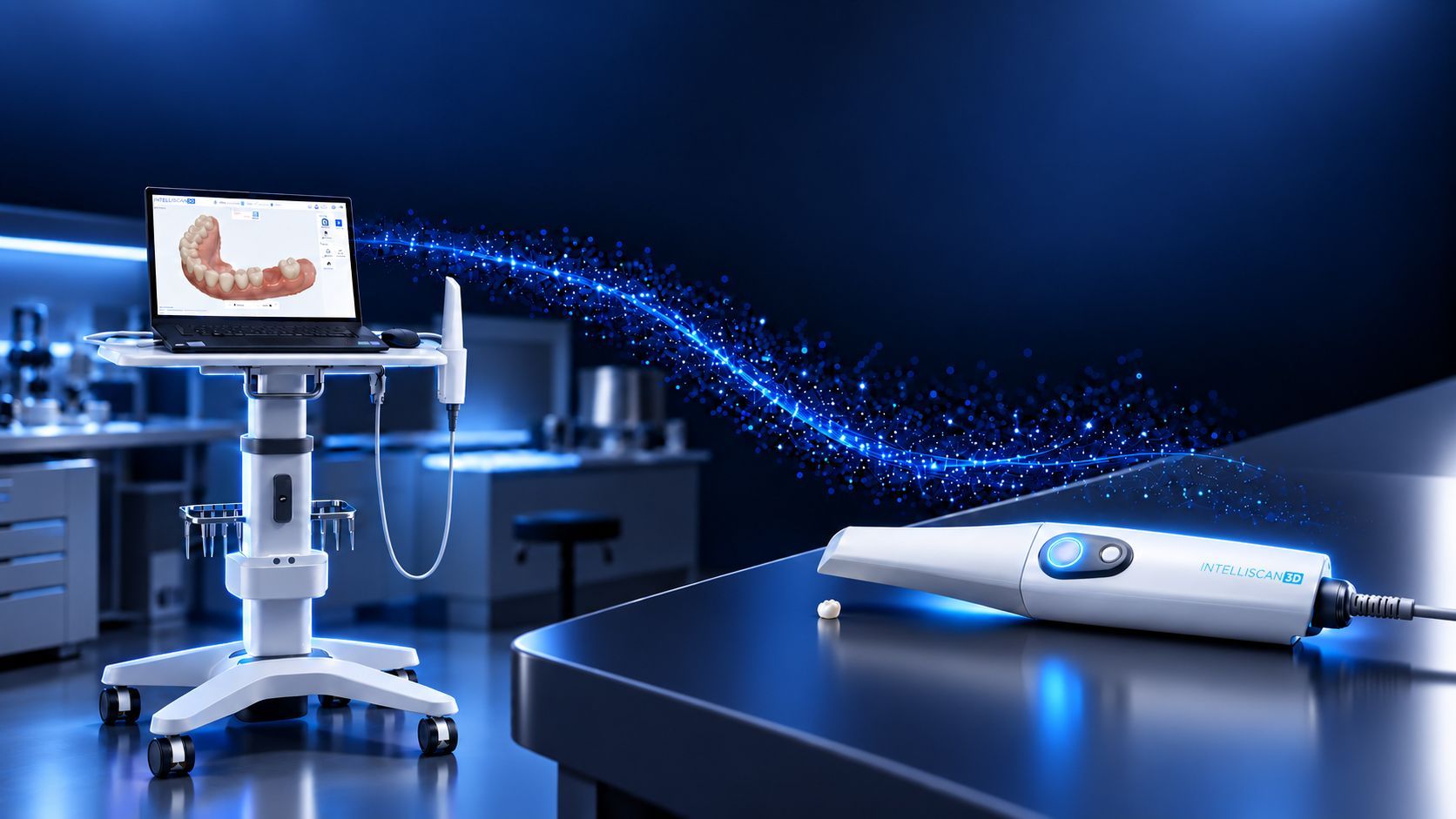
Bayshore IntelliScan 3D intraoral scanner and cart sending a digital impression to the dental lab
By Dustin Drudy • October 5, 2026
Chairside milling or a lab-centered workflow? Compare cost, team skills, turnaround, and case range to choose the right intraoral scanner workflow.
Show More
By Dustin Drudy • October 16, 2026
Buying an intraoral scanner? Evaluate support, software, versatility, clinical proof, 5-year cost, warranty, and scan quality before you commit.
By Dustin Drudy • October 15, 2026
What to ask before choosing a flexible partial denture lab: rebasing, adding teeth, repairs, materials, fit, and turnaround. A practical guide for dentists.
Bayshore IntelliScan 3D intraoral scanner and cart sending a digital impression to the dental lab
By Dustin Drudy • October 5, 2026
Chairside milling or a lab-centered workflow? Compare cost, team skills, turnaround, and case range to choose the right intraoral scanner workflow.
Show More

Share this article