October 5, 2026

Chairside vs. Lab-Centered Intraoral Scanner Workflows: Which Fits Your Practice?

This article has been written by Dustin Drudy

Chairside vs. Lab-Centered Intraoral Scanner Workflows: Which Fits Your Practice?

The quick answer: most general practices get the best return from a lab-centered workflow, where you scan chairside and send the digital file to your lab for design, milling, and finishing. A full chairside workflow, where you also design and mill in the office, makes sense when you place a high volume of single-unit restorations and have a team ready to own CAD and milling. Many practices land in between. Here is how to decide based on your restorative volume, your team, and how closely you want to work with your lab.


What is the difference between a chairside and a lab-centered scanner workflow?

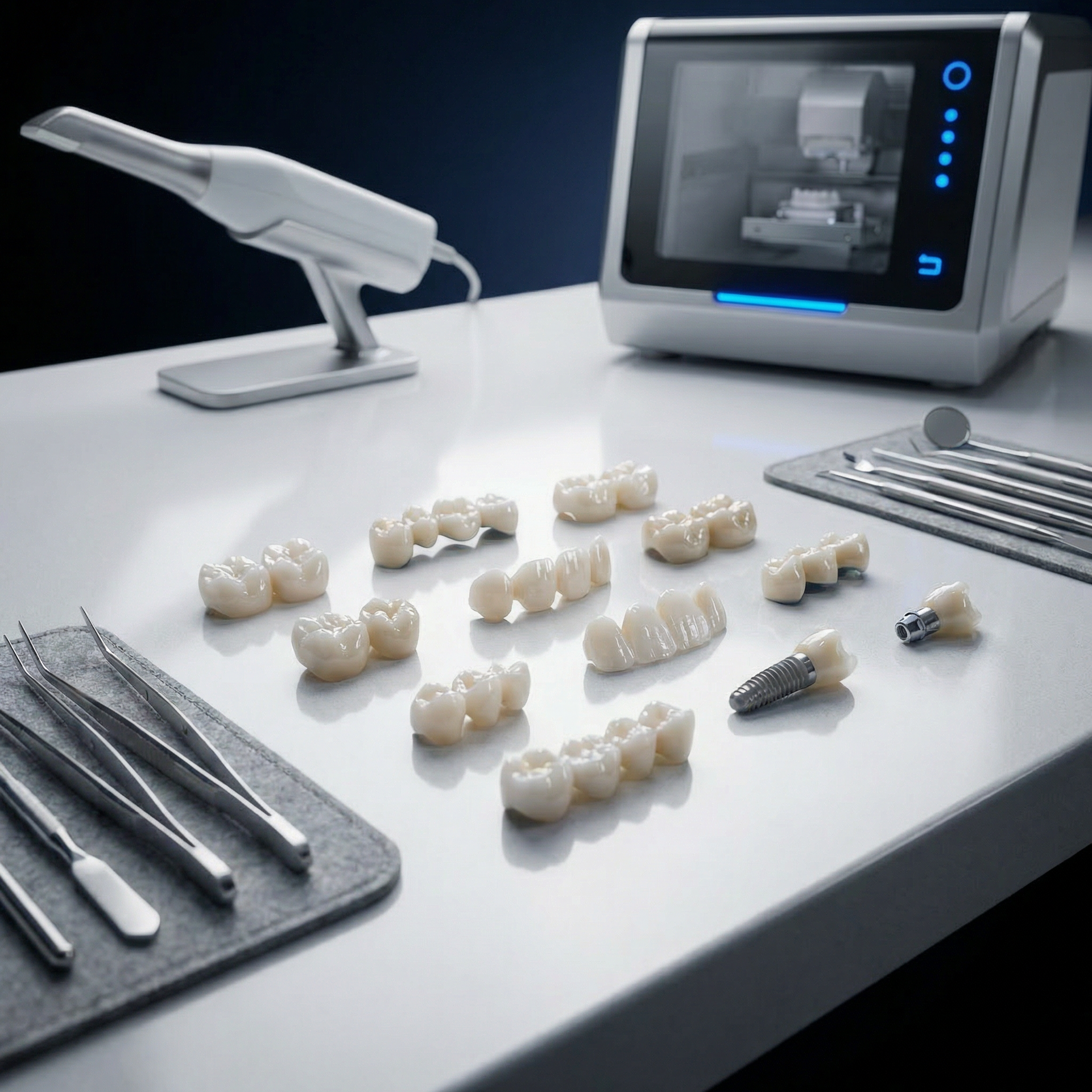
Both workflows start the same way: an intraoral scanner captures a 3D digital impression in place of trays and impression material. The difference is what happens next. In a chairside workflow, the practice designs the restoration in CAD software, mills it on an in-office unit, and stains, glazes, or sinters it before seating, often in a single visit. In a lab-centered workflow, the scan is sent digitally to a dental laboratory, where technicians design, mill, and finish the restoration and ship it back for seating at the next appointment. A hybrid approach keeps simple single units chairside and sends everything else to the lab.


Chairside vs. lab-centered workflows at a glance
Factor Chairside workflow Lab-centered workflow
What happens in the office Scan, design, mill, and finish Scan only; the file goes to the lab
Equipment needed Scanner plus mill, furnace, and design software Intraoral scanner
Upfront investment Significantly higher Much lower
Team skills CAD design, milling, staining, and glazing Scanning and case communication
Turnaround Same-day possible for single units Typically several working days
Case range Best for single units and onlays Single units through full arch, implants, and removables
Esthetic finishing Done in the office Done by lab technicians
Best fit High-volume single-unit practices Most general and multi-specialty practices
Why does the scan itself matter so much?

Whichever workflow you choose, the digital impression is where accuracy is won or lost. A clean scan captures margins and contacts without the voids, pulls, and distortion that can affect conventional impressions, and you can check it on screen before the patient leaves. That clean data is what drives better-fitting crowns and bridges and fewer remakes and chairside adjustments. In practice, the scanner is the one piece of equipment every digital workflow shares, so it is the right place to start.


When does a chairside workflow make sense?


A chairside setup tends to pay off when most of these are true:

  • You place a high and steady volume of single-unit crowns and onlays
  • Same-day delivery is a meaningful part of how you market the practice
  • A team member is ready to take ownership of CAD design and the mill
  • You have the chair time and space to absorb milling and finishing in the schedule
  • Your case mix is weighted toward posterior single units rather than complex restorative work


The tradeoff is that chairside dentistry turns part of your practice into a small production lab. The equipment, maintenance, materials inventory, and staff training are yours to manage, and the time spent designing and finishing is time away from other procedures.


When is a lab-centered workflow the better fit?


For most general dentists, scanning chairside and partnering with a digital lab is the more efficient path, especially when:

  • Your restorative volume is moderate or varies month to month
  • You want to go digital without buying a mill, furnace, and design software
  • Your cases include bridges, implant restorations, full arch work, removables, or high esthetic anterior units
  • You would rather keep chair time focused on patient care than on design and finishing
  • You value technician input on design, shade, and material selection


A lab-centered workflow also scales with you. The same scanner and the same digital submission process cover a single crown, a multi-unit zirconia bridge, or a full arch case, so there is no ceiling on what you can send.


How do team adoption and lab collaboration factor in?


Team adoption is often the deciding factor. Scanning alone is quick to learn, and assistants can take on much of it with good training. Adding in-office design and milling raises the learning curve and makes the workflow depend on one or two trained people. With a lab-centered approach, your team focuses on capturing a complete scan and communicating the case clearly, and the lab handles the rest. Strong digital collaboration helps too: being able to send scans instantly, discuss a case with a technician, and track it through an online portal keeps a lab-centered workflow fast and predictable.

The bottom line


If high-volume single units and same-day delivery are central to your practice, a chairside workflow can be worth the investment. For most general practices, the better move is a strong intraoral scanner paired with a digital lab partner, which delivers accurate impressions, a broader range of restorations, and less equipment to manage.


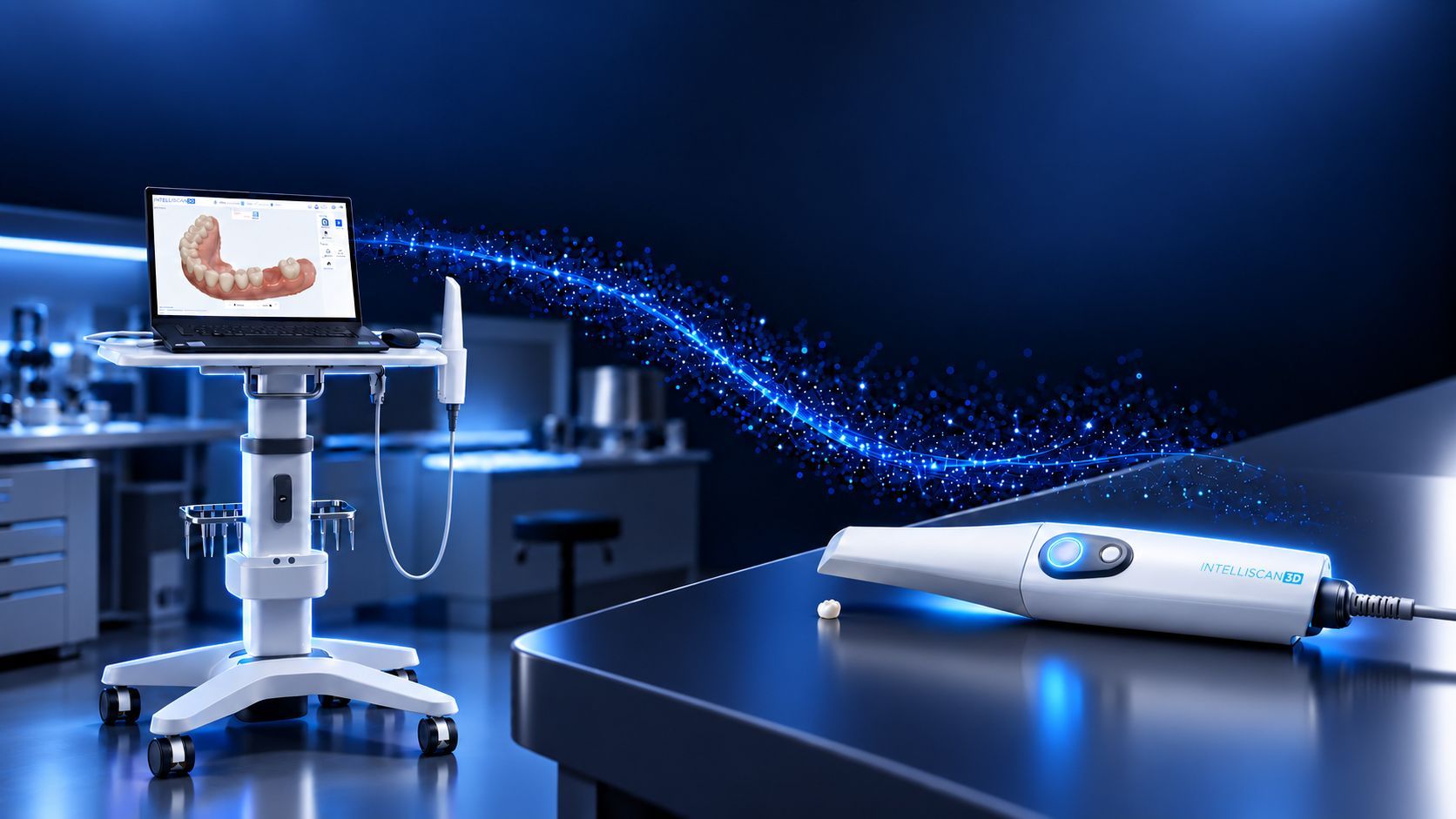
Bayshore Dental Studio built its digital workflow around exactly that model. The IntelliScan 3D Model Y is an open system scanner you own outright, with no subscriptions or per-scan fees, 10 µm scan accuracy, a 30-day money-back guarantee, and a 5-year warranty. Scans go straight into Bayshore's fully digital lab workflow, and practices that join Bayshore Scans Club can save up to 50% on lab fees with same-day U.S.-based support and ongoing training. From single Z Crown zirconia units to full arch cases, send your next digital case to Bayshore and see how a lab-centered workflow fits your practice.

  • Is a chairside or lab-centered scanner workflow better for a general practice?

    For most general practices, a lab-centered workflow is the better fit. You scan chairside and send the digital file to a lab for design, milling, and finishing, which avoids the cost of a mill and design software and covers everything from single crowns to full arch and implant cases. Chairside milling makes the most sense for practices with a high, steady volume of single-unit restorations.

  • Do I need a milling unit to use an intraoral scanner?

    No. An intraoral scanner works on its own. In a lab-centered workflow you simply send the digital impression to your dental laboratory, and the lab handles design, milling, and finishing. A milling unit is only needed if you want to fabricate restorations in your own office.

  • Does an intraoral scanner reduce crown and bridge remakes?

    It can. A clean digital scan captures margins and contacts without the voids, pulls, and distortion that can occur with impression material, and you can review it on screen before the patient leaves. Better data to the lab means better-fitting restorations and fewer remakes and adjustments.

A zirconia dental crown and an IPS e.max crown side by side, comparing strength and translucency
By Dustin Drudy • September 29, 2026
Zirconia or IPS e.max? Compare strength, esthetics, prep, and ideal cases so you can choose the right crown material for every tooth. A lab guide from Bayshore.
Monolithic zirconia dental bridge under studio lighting
By Dustin Drudy • September 22, 2026
Zirconia bridges: when to prescribe them, prep and connector requirements, and monolithic vs layered options. A dental lab's clinical guide for dentists.
By Bayshore • January 4, 2023
Flexural strength (measured in MPa) determines how much load a restoration can take. A dental lab's guide to why it matters when selecting zirconia and other materials.
Show More
A zirconia dental crown and an IPS e.max crown side by side, comparing strength and translucency
By Dustin Drudy • September 29, 2026
Zirconia or IPS e.max? Compare strength, esthetics, prep, and ideal cases so you can choose the right crown material for every tooth. A lab guide from Bayshore.
Monolithic zirconia dental bridge under studio lighting
By Dustin Drudy • September 22, 2026
Zirconia bridges: when to prescribe them, prep and connector requirements, and monolithic vs layered options. A dental lab's clinical guide for dentists.
By Bayshore • January 4, 2023
Flexural strength (measured in MPa) determines how much load a restoration can take. A dental lab's guide to why it matters when selecting zirconia and other materials.
Show More

Share this article