November 19, 2026

Zirconia Crown Failure: 6 Causes and How to Prevent Them

This article has been written by Dustin Drudy

Zirconia Crown Failure: 6 Causes and How to Prevent Them

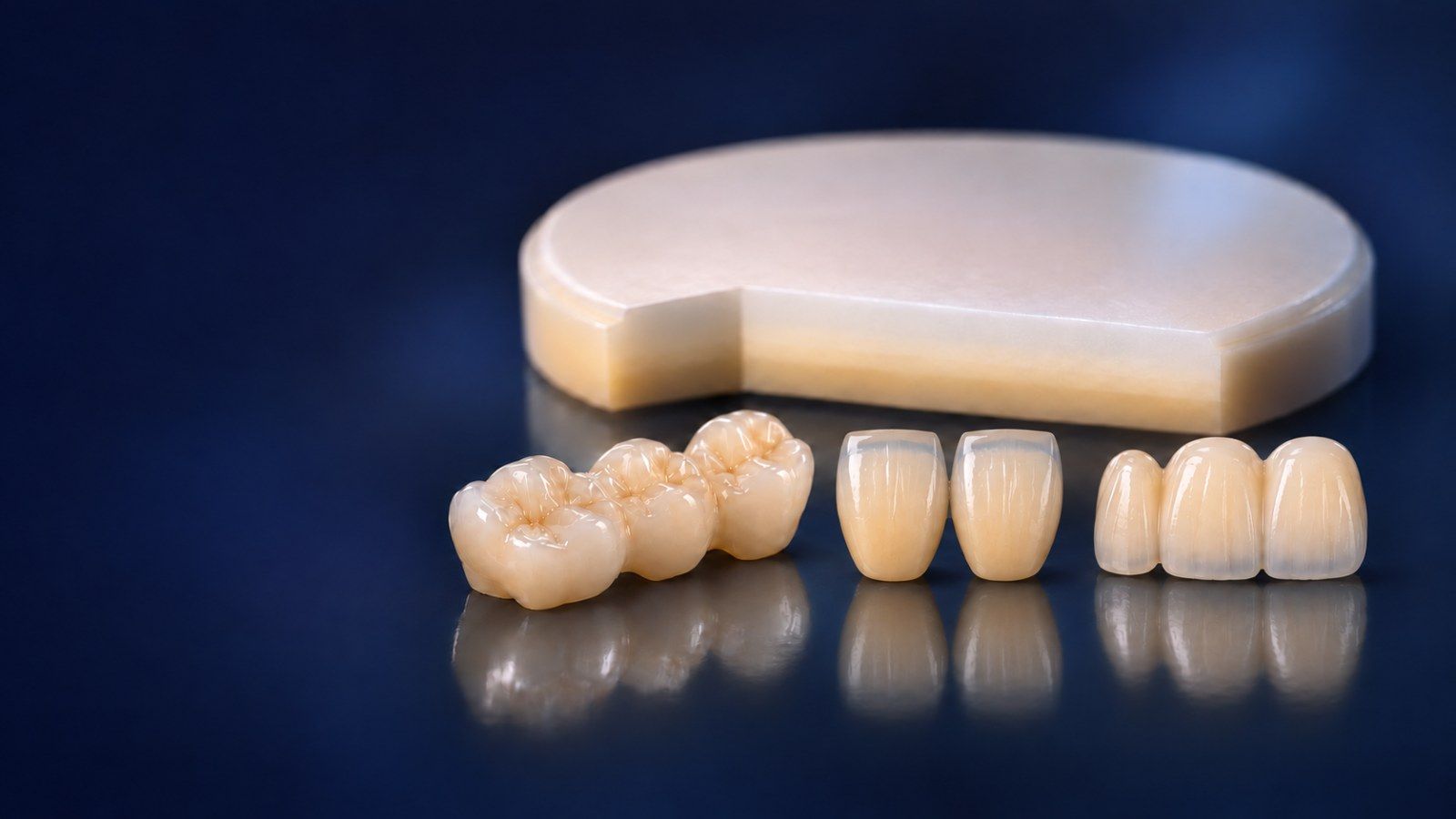
The quick answer: most zirconia crown failures trace back to a short list of causes you can control at the chair and in your Rx: not enough reduction, a feather edge or unclear margin, the wrong material for a bruxer, a layered porcelain veneer on a heavy load, poor cementation or adjustment, and long span bridges with thin connectors. No restoration has a guaranteed lifespan, but a sound prep, the right Z Crown option, and clean handling give a zirconia crown its best chance to last. Z Crown zirconia from Bayshore Dental Studio reaches up to 1400 MPa flexural strength, so case selection and technique matter most.


Why zirconia crowns fail


Zirconia is strong. When a zirconia restoration fails, the cause is rarely the material alone. It is usually a mismatch between the case and the design, the prep, or the handling. The six causes below cover the problems we see most often.


Six causes and the fix for each


Cause What goes wrong How to prevent it
Insufficient reduction Not enough room for the material, so the lab cannot build in adequate thickness Plan 1.0 to 1.5 mm axial and 1.5 to 2.0 mm occlusal or incisal reduction
Feather edge or unclear margin The margin is hard to read, so fit and marginal integrity suffer Prep a shoulder or chamfer. A feather edge is not recommended
Wrong material for a bruxer A heavy occlusal load on a material chosen for esthetics Prescribe Z Solid, full contour zirconia with up to 1400 MPa strength
Layered porcelain under heavy load The porcelain layer can chip Use full contour zirconia on posterior and parafunction cases
Cementation and adjustment errors Overheating or poor technique during seating and adjusting Cement or bond first, then adjust with a fine diamond, water and air
Thin connectors on long spans Connector dimensions limit strength in multi unit cases Preserve connector space and flag long spans so the lab can engineer them
1. Insufficient reduction


Zirconia needs room. For Z Crown, plan 1.0 to 1.5 mm of axial reduction and 1.5 to 2.0 mm of occlusal reduction on posterior crowns, or incisal reduction on anterior crowns. Too little reduction leaves the lab with a thin restoration or a crown that seats high. Check clearance in centric and in excursions before you take the scan.


2. A feather edge or an unclear margin


Zirconia rewards a clean, well defined prep. Use a shoulder or chamfer margin. A feather edge is not recommended. A clear margin helps the lab design a predictable fit, and it helps you seat the crown with confidence. Keep margins clear of blood and tissue when you scan.


3. The wrong material for a bruxer


Patients who grind place heavy, repeated loads on posterior crowns. For those cases, prescribe Z Solid. It is full contour zirconia with up to 1400 MPa strength, glazed and polished, and there is no layered porcelain to chip. Learn how the four options compare in our guide to which Z Crown to prescribe for each case.


4. Layered porcelain on a heavy load


Layered restorations deliver refined esthetics, with the trade-off of a porcelain layer that can chip. Layered zirconia suits anterior cases where translucency and characterization matter most. On posterior units and heavy bites, choose full contour zirconia. For a side by side look at the materials, read our guide to zirconia vs. IPS e.max.


5. Cementation and adjustment errors


Z Crown can be conventionally cemented with dual cure resin, glass ionomer, resin ionomer, zinc phosphate, or polycarboxylate cement. Cement or bond the crown before adjusting it. Use a fine diamond with water and air to keep it cool, and polish with a pink rubber wheel and diamond polishing paste. For a full prep reference, see our all ceramic crown preparation guide.


6. Thin connectors on long span bridges


In multi unit cases, connector dimensions are the single biggest predictor of success. Preserve enough interocclusal and interproximal space for adequate connector height, and flag long spans so the lab can engineer them. Our zirconia bridge clinical guide covers prep and connector requirements in detail.


Where Bayshore helps


Every Z Crown is designed in a digital workflow and accepts scans from any intraoral scanner, as well as traditional impressions. Send a scan from the IntelliScan 3D or another open scanner through Send a Digital Case. See the full lineup on the Z Crown zirconia crowns and bridges page, or send your next Z Crown case to Bayshore.

  • What is the most common reason a zirconia crown fails?

    Most failures trace back to the case or the handling rather than the material: too little reduction, an unclear margin, the wrong material for a heavy bite, or cementation and adjustment errors.

  • Which Z Crown should I prescribe for a bruxer?

    Prescribe Z Solid. It is full contour zirconia with up to 1400 MPa flexural strength, with no layered porcelain to chip.

  • How much reduction does a Z Crown need?

    Plan 1.0 to 1.5 mm of axial reduction and 1.5 to 2.0 mm of occlusal or incisal reduction, with a shoulder or chamfer margin. A feather edge is not recommended.

Bayshore BAYFLEX Hybrid and all-flexible BAYFLEX partial dentures on dental models
By Dustin Drudy • November 9, 2026
Can flexible partials be relined? Why do some dentists avoid them? Answers to 8 common questions, with how serviceable BAYFLEX partials handle each one.
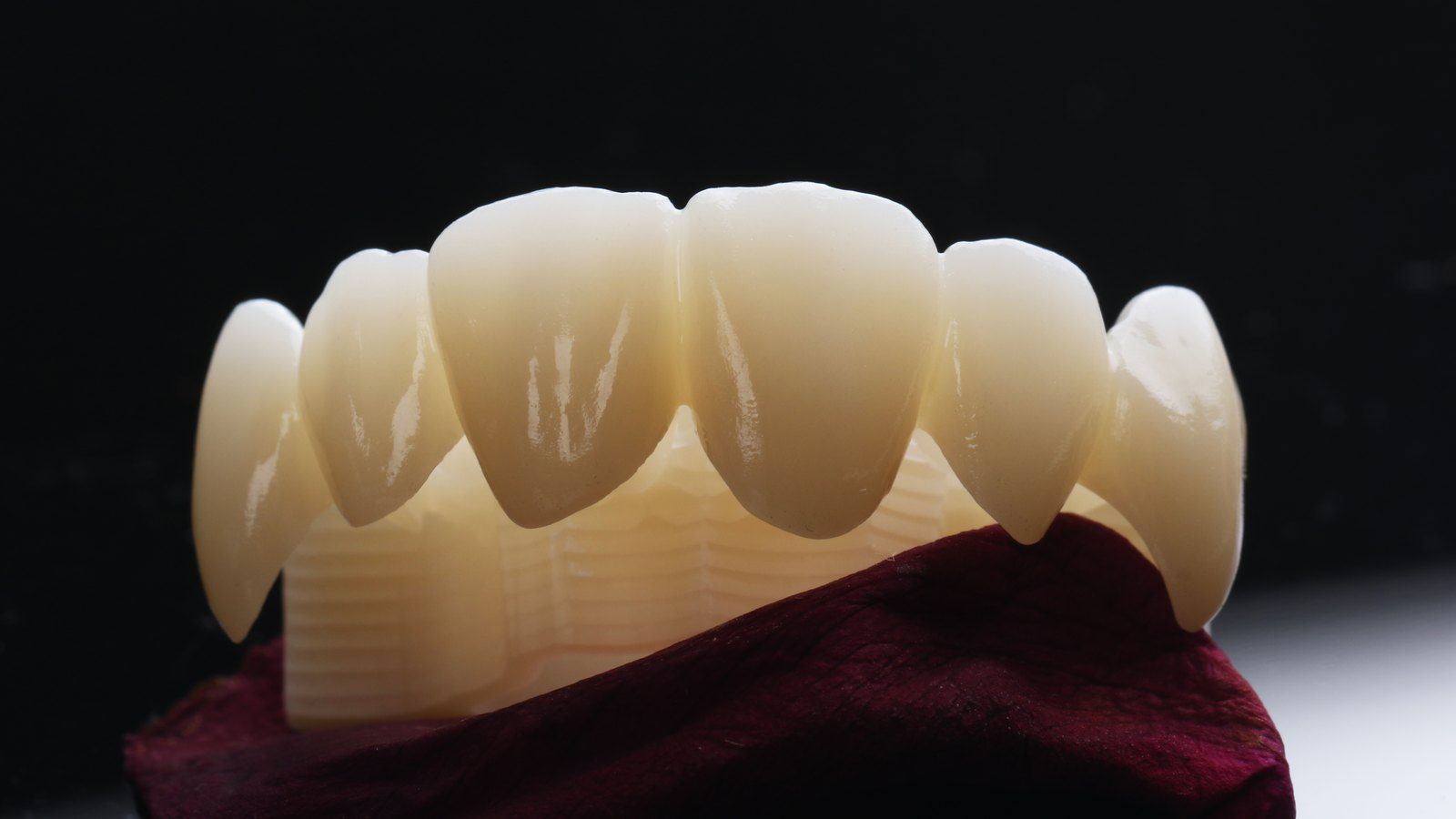
Bayshore Z Crown zirconia six-unit anterior restoration with natural translucency on a rose petal
By Dustin Drudy • November 3, 2026
Z Crown comes in four zirconia options: Z Solid, Anterior, Plus, and Layered. See which Z Crown to prescribe, prep guidelines, and how to send a case.
Hands holding a Bayshore BAYFLEX flexible partial denture, easy to adjust and rebase
By Dustin Drudy • October 29, 2026
BAYFLEX partials come in four options: Basic, Hybrid, Single Tooth, and Clearframe. Learn which BAYFLEX partial to prescribe and how to order it.
Show More

Share this article