Zirconia vs. IPS e.max: How to Choose the Right Crown
The quick answer: reach for zirconia when strength leads the case, and for IPS e.max when translucency leads it. Zirconia handles posterior crowns, long-span bridges, and heavy function, while e.max shines on single anterior units and veneers where lifelike esthetics matter most. Most practices keep both on the menu and match the material to the tooth. Here is how to make that call quickly and predictably.
What is the core difference between zirconia and IPS e.max?
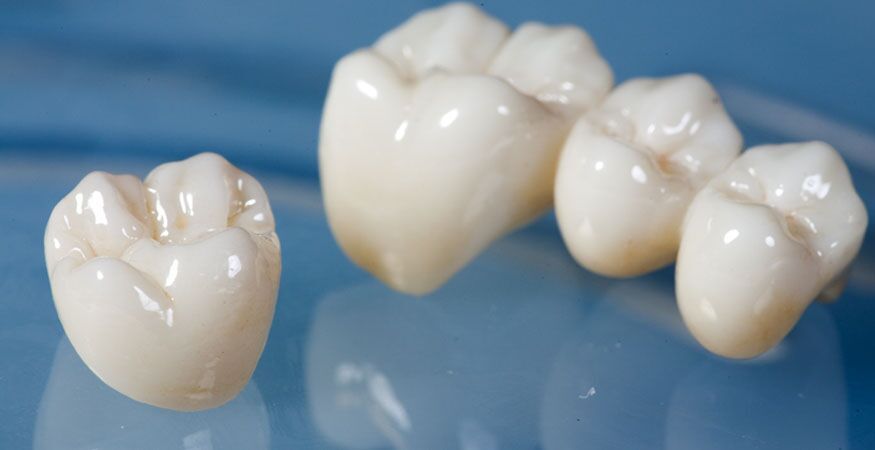
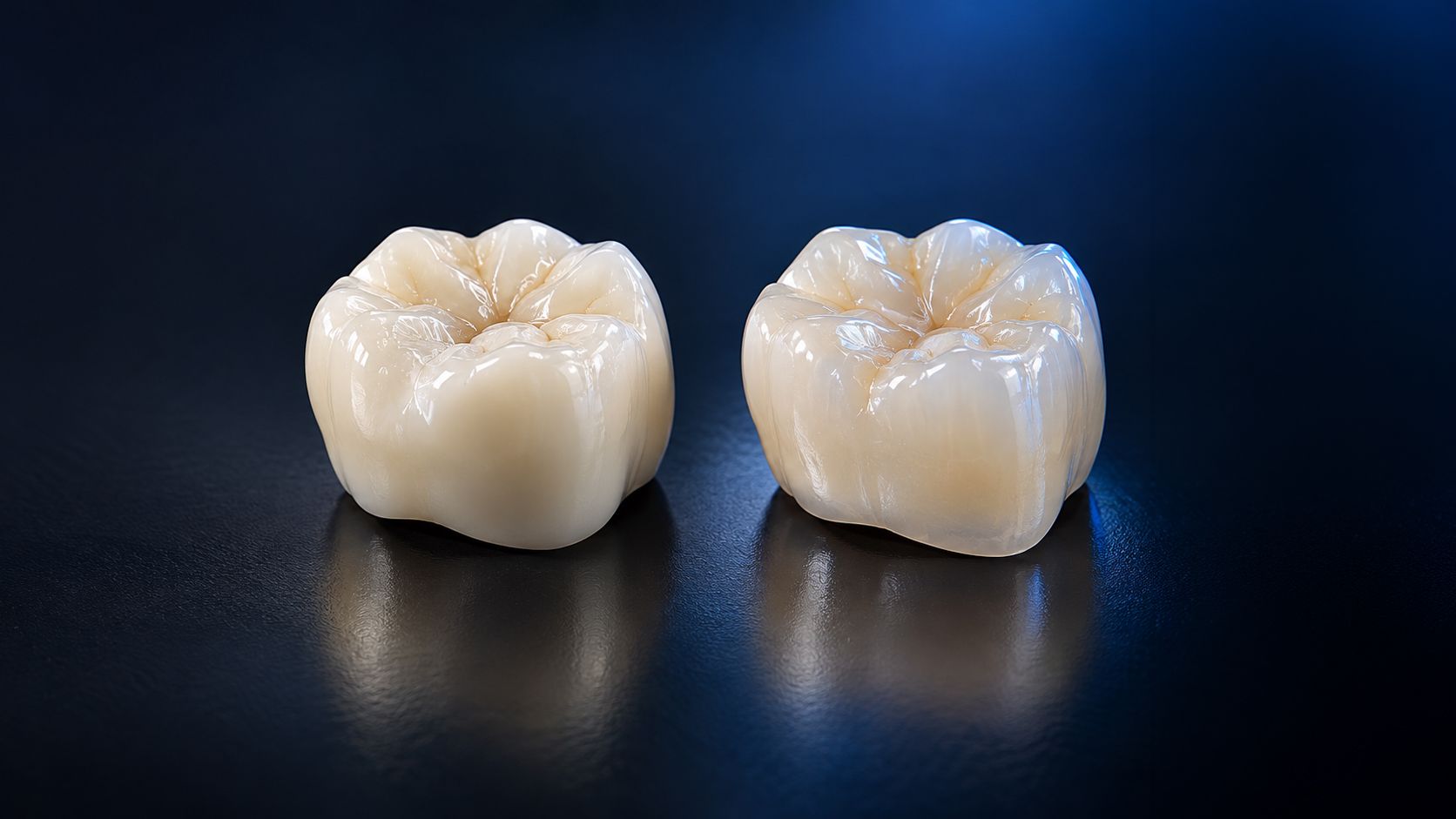
Zirconia is a polycrystalline ceramic milled from zirconium dioxide. It is prized for very high flexural strength and fracture resistance, with no metal core and no porcelain layer to chip. IPS e.max is a lithium disilicate glass ceramic. Its glassy microstructure gives it high translucency that closely mimics natural enamel, along with solid but lower strength than zirconia. In short, zirconia is the strength material and e.max is the esthetics material, though modern formulations have narrowed the gap in both directions.
How do they compare on strength?
Full-contour zirconia reaches flexural strength of up to roughly 1,400 MPa, with fracture toughness in the range of 5 to 10 MPa m and a modulus of elasticity above 205 GPa. Lithium disilicate such as IPS e.max sits closer to 360 to 400 MPa. That difference is why zirconia is the safer choice under heavy occlusal load, for long-span work, and for patients who clench or grind, while e.max is best reserved for lower-load situations.
How do they compare on esthetics?
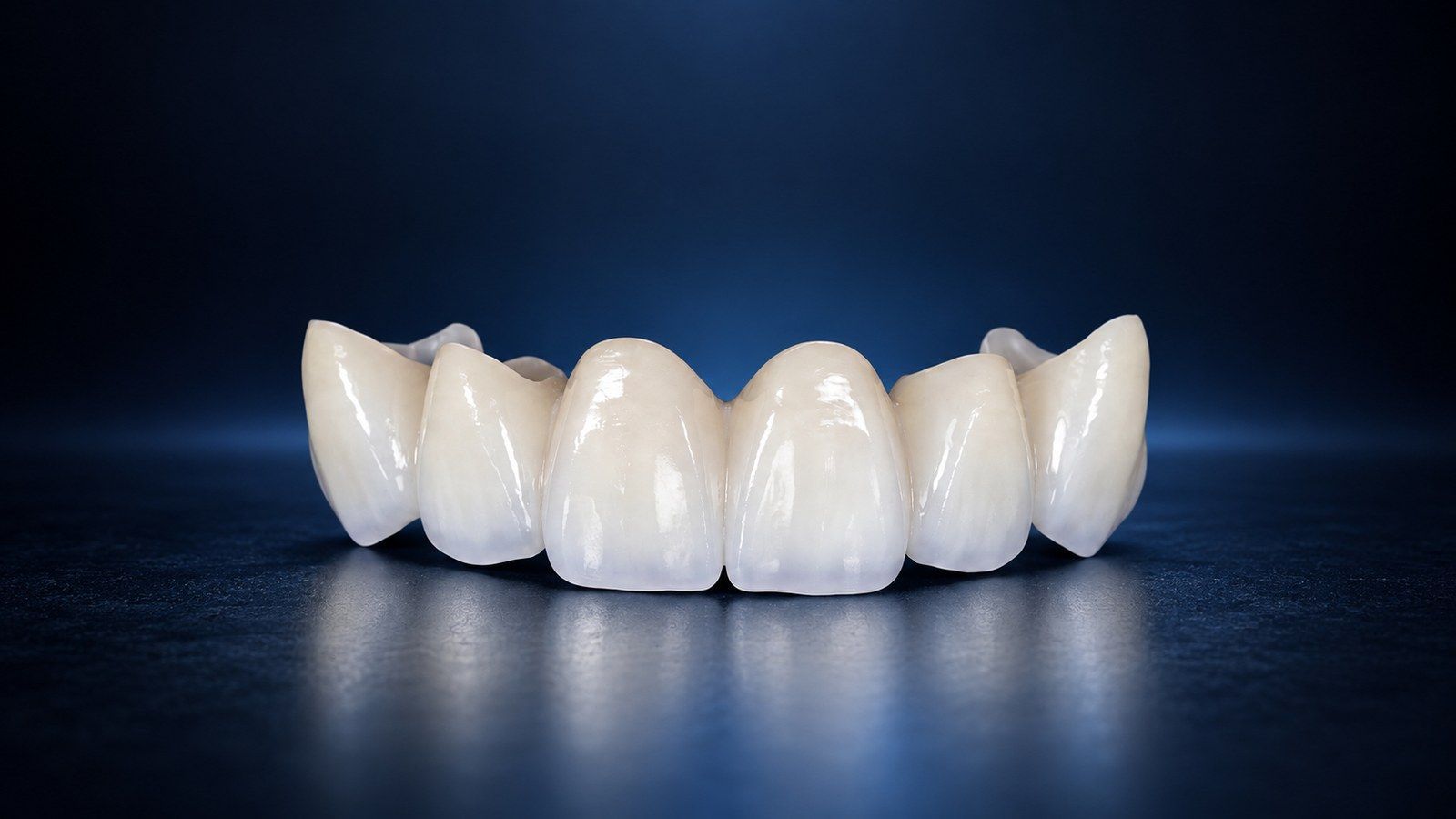
IPS e.max has long been a benchmark for anterior esthetics because its translucency and light diffusion read like natural enamel. Early zirconia was strong but opaque. Today's high-translucency, multilayered zirconia builds a natural color gradient into the disc and blends far better than older generations. For the highest anterior demands, a layered option adds hand-applied porcelain on the facial surface, and e.max remains an excellent monolithic choice for single units and veneers.
Zirconia vs. IPS e.max at a glance
| Feature | Zirconia (Z Crown) | IPS e.max |
|---|---|---|
| Material | Zirconium dioxide, polycrystalline | Lithium disilicate glass ceramic |
| Flexural strength | Up to roughly 1,400 MPa | Roughly 360 to 400 MPa |
| Esthetics | Very good, best with high-translucency or layered options | Excellent, benchmark anterior translucency |
| Best for | Posterior crowns, long-span bridges, bruxers, implant crowns | Anterior crowns, veneers, inlays and onlays |
| Cementation | Conventionally cemented | Adhesive bond after etch and silane |
When should I choose zirconia?
Zirconia is the go-to choice for:
- Posterior crowns under heavy occlusal load
- Long-span and full-arch bridges, including multi-abutment cases
- Bruxism and parafunction patients
- Implant crowns and screw-retained restorations
- Cases needing minimal reduction, since high-strength zirconia performs in thinner sections and helps save tooth structure
When should I choose IPS e.max?
IPS e.max is the better match for:
- Single anterior crowns where translucency is the priority
- Veneers and thin anterior restorations
- Inlays and onlays
- Premolar crowns in lower-load mouths
- Case selection matters. For posterior or long-span work, or any patient with heavy function, zirconia is the more predictable choice.
What preparation and margins do these crowns need?
Both materials reward clean, consistent preparation. Plan for roughly 1.0 to 1.5 mm of axial reduction and 1.5 to 2.0 mm of incisal or occlusal reduction, finished with a shoulder or chamfer margin. Avoid feather edges, which compromise the fit and strength of a milled restoration. Zirconia can be conventionally cemented with dual-cure resin, glass ionomer, resin ionomer, zinc phosphate, or polycarboxylate cements. IPS e.max is typically adhesively bonded after hydrofluoric acid etching and silane, which also reinforces thinner restorations. Sending clean margins and a clear bite to the lab is the single biggest factor in a predictable fit for either material.
The bottom line: you do not always have to choose
Match the material to the demand of the tooth. Choose zirconia when strength and durability lead, and IPS e.max when anterior translucency leads. When a single case needs both, a layered option bridges the gap.
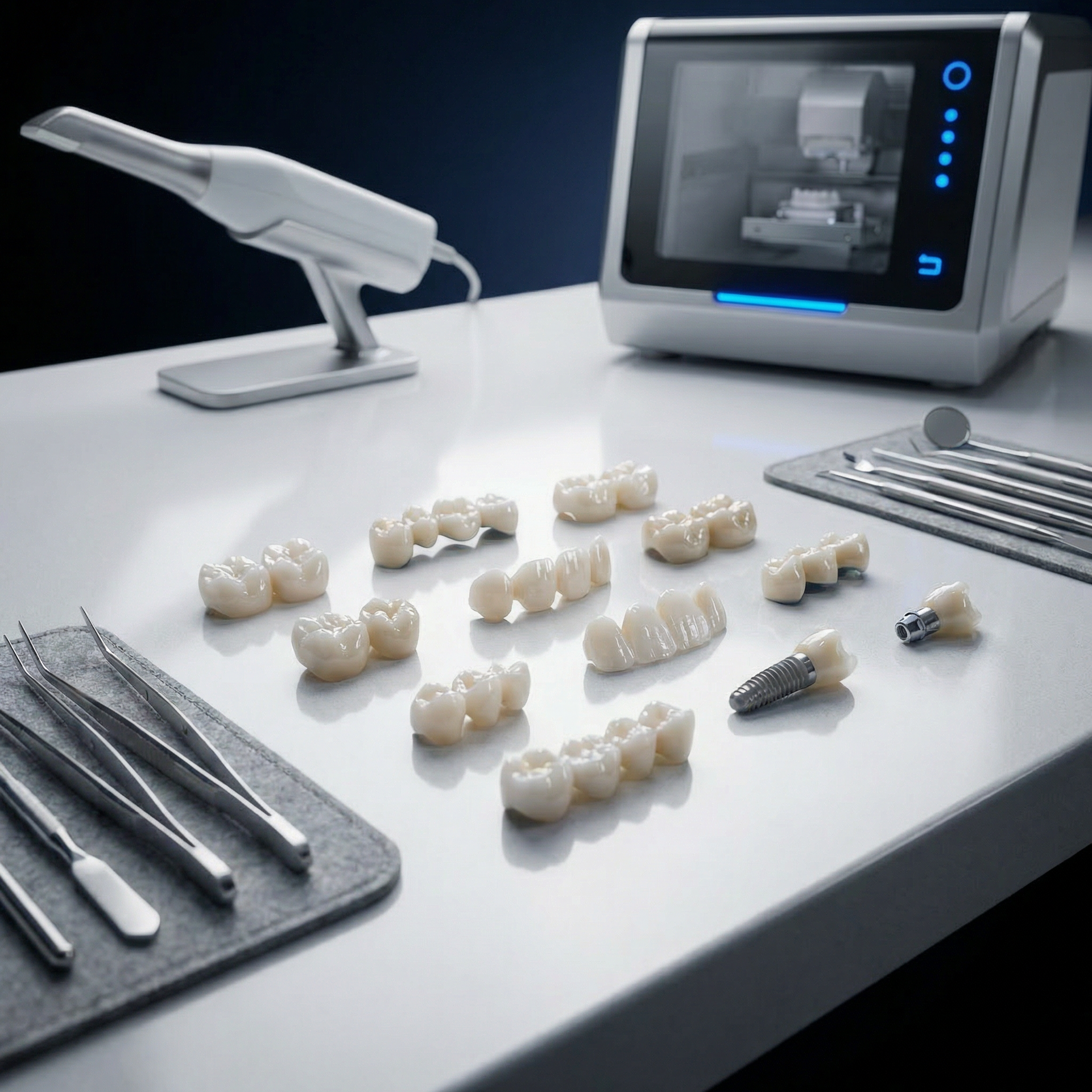
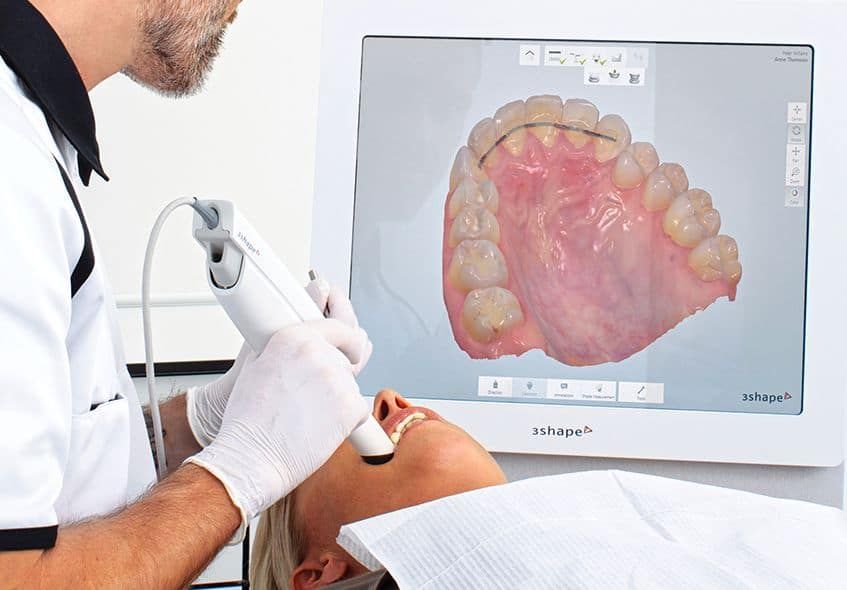
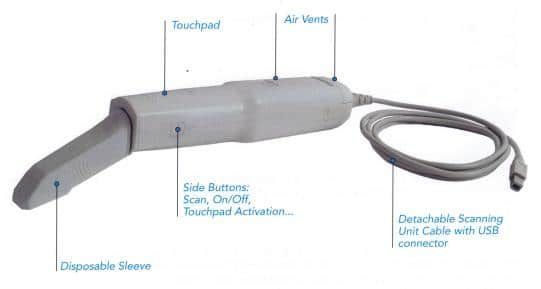
Bayshore Dental Studio's Z Crown zirconia family spans the full range: Z Solid full-contour zirconia at up to 1,400 MPa for bruxers and long-span bridges, high-translucency Z Crown Anterior for esthetic units, and Z Crown Layered and Z Crown Plus, which layer e.max porcelain over a zirconia coping to combine strength with hand-finished beauty. When a case calls for pure lithium disilicate, our IPS e.max restorations deliver lifelike anterior esthetics, all milled in a fully digital workflow compatible with every intraoral scanner. Send your next case to Bayshore and our team will help you pick the right material for the tooth.