
October 23, 2026

What Is a Digital Dental Lab? How to Choose the Right One for Your Practice

This article has been written by Dustin Drudy

What Is a Digital Dental Lab? How to Choose the Right One for Your Practice

The quick answer: a digital dental lab receives your cases as digital files, usually intraoral scans, and designs and fabricates restorations with CAD/CAM software, milling, and 3D printing. The best digital dental labs accept scans from any open intraoral scanner, let you review and approve designs online, and still have experienced technicians finishing every case by hand. For most practices, the right digital lab is one that fits the scanner you already use and also handles conventional impressions when you need them.


What makes a dental lab "digital"?


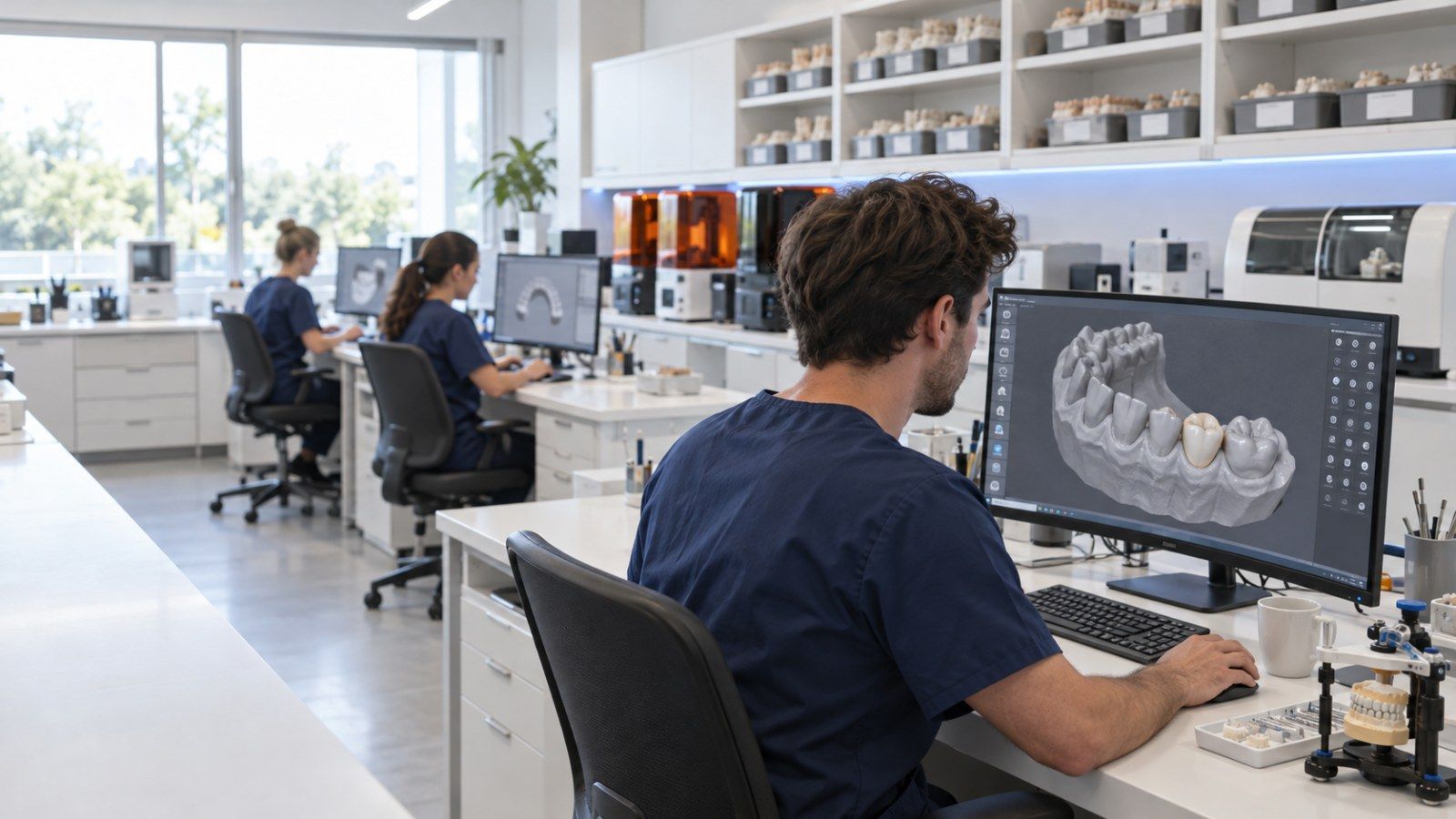
A digital dental lab replaces much of the physical handoff between practice and lab with digital files. Instead of pouring stone models from a shipped impression, the lab imports your scan, designs the restoration in CAD software, and produces it with milling or 3D printing. Margins, contacts, and occlusion are planned on screen, and many labs share a 3D design proposal with you before fabrication begins.


Digital does not mean automated. The strongest results still come from skilled technicians who check the design, adjust anatomy and shade, and finish and characterize each restoration. The digital workflow removes steps and variables. The technician's experience is what turns a good design into a restoration that seats well.


Digital vs. traditional lab workflow at a glance
Step Traditional lab workflow Digital dental lab workflow
Case submission Physical impression and paper Rx, picked up or shipped Scan and digital Rx sent from the scanner software or uploaded online
Time to reach the lab One or more days in transit Minutes after the scan is complete
Models Poured in stone at the lab Virtual models, printed only when needed
Design Waxed and built by hand Designed in CAD software, often shared for review
Fabrication Cast, pressed, or layered Milled or 3D printed, then finished by technicians
Remakes Impression distortion and model errors can affect fit Fewer variables between the scan and the final restoration
Case tracking Phone calls and paper Online case status and design approvals
Benefits of working with a digital dental lab

  • Faster submissions. Scans reach the lab within minutes, so production starts sooner and you spend less time on pickups and shipping.
  • More predictable fit. Removing impression material, stone models, and shipping from the process reduces the variables that cause adjustments and remakes.
  • Clearer communication. Shared 3D proposals and online case notes help you and the technician agree on margins, contacts, and anatomy before anything is fabricated.
  • Easier case tracking. An online portal shows where each case is in production, which helps your front desk schedule seat appointments with confidence.
  • Room to grow. Once your practice is scanning, the same workflow supports crowns, bridges, implant restorations, removables, guards, and aligners.

What to look for when choosing a digital dental lab

Before you send your first scan, ask each lab you are considering:


  • Do you accept scans from my intraoral scanner, and from any open system if we change scanners later?
  • How do I send a case: directly from the scanner software, through an online portal, or both?
  • Can I review and approve a 3D design before fabrication?
  • Which restorations do you produce digitally, and which are finished by hand?
  • Do you still accept conventional impressions for the cases that need them?
  • How do I track case status and turnaround?
  • Who do I talk to when I have a clinical question about a case?

Do I need to own a scanner to use a digital dental lab?


No, but a scanner is what unlocks the full benefit. Many digital labs also accept conventional impressions, so you can start working with a digital lab before you scan. When you are ready, an open intraoral scanner lets you send cases directly and removes impressions and shipping from your workflow. If you are comparing options, our guides on what to evaluate before buying an intraoral scanner and chairside vs. lab-centered scanner workflows can help.


How Bayshore Dental Studio works as your digital dental lab


Bayshore Dental Studio has been a full-service dental laboratory since 1992, and today we pair experienced technicians with modern digital workflows to help practices reduce chair time and get consistent results. We accept digital impressions from all open intraoral scanning systems, and you can send a digital case directly from your scanner software or upload it through the Bayshore Customer Portal. Inside the portal you can track case progress, approve 3D case proposals, collaborate on design with a certified Bayshore technician, schedule pickups, and view statements. Our technicians and CAD/CAM milling center support crown and bridge, implant, removable, and preventative cases, and we still accept conventional impressions when a case calls for one. Practices that want to start scanning can own the IntelliScan 3D with no monthly fees and send scans to Bayshore in a few clicks. Explore our full-service dental lab services, or send your next case to Bayshore.

  • What is a digital dental lab?

    A digital dental lab receives cases as digital files, usually intraoral scans, and designs and fabricates restorations with CAD/CAM software, milling, and 3D printing. Experienced technicians still review, finish, and characterize each restoration.

  • What are the benefits of a digital dental lab?

    Scans reach the lab in minutes, there are fewer variables between the scan and the final restoration, and you can review 3D designs and track case status online. The result is faster turnaround, more predictable fit, and fewer remakes.

  • Can I send scans from any intraoral scanner to a digital dental lab?

    Most digital labs accept files from open intraoral scanning systems. Bayshore Dental Studio accepts digital impressions from all open scanners, sent directly from the scanner software or uploaded through the Bayshore Customer Portal.

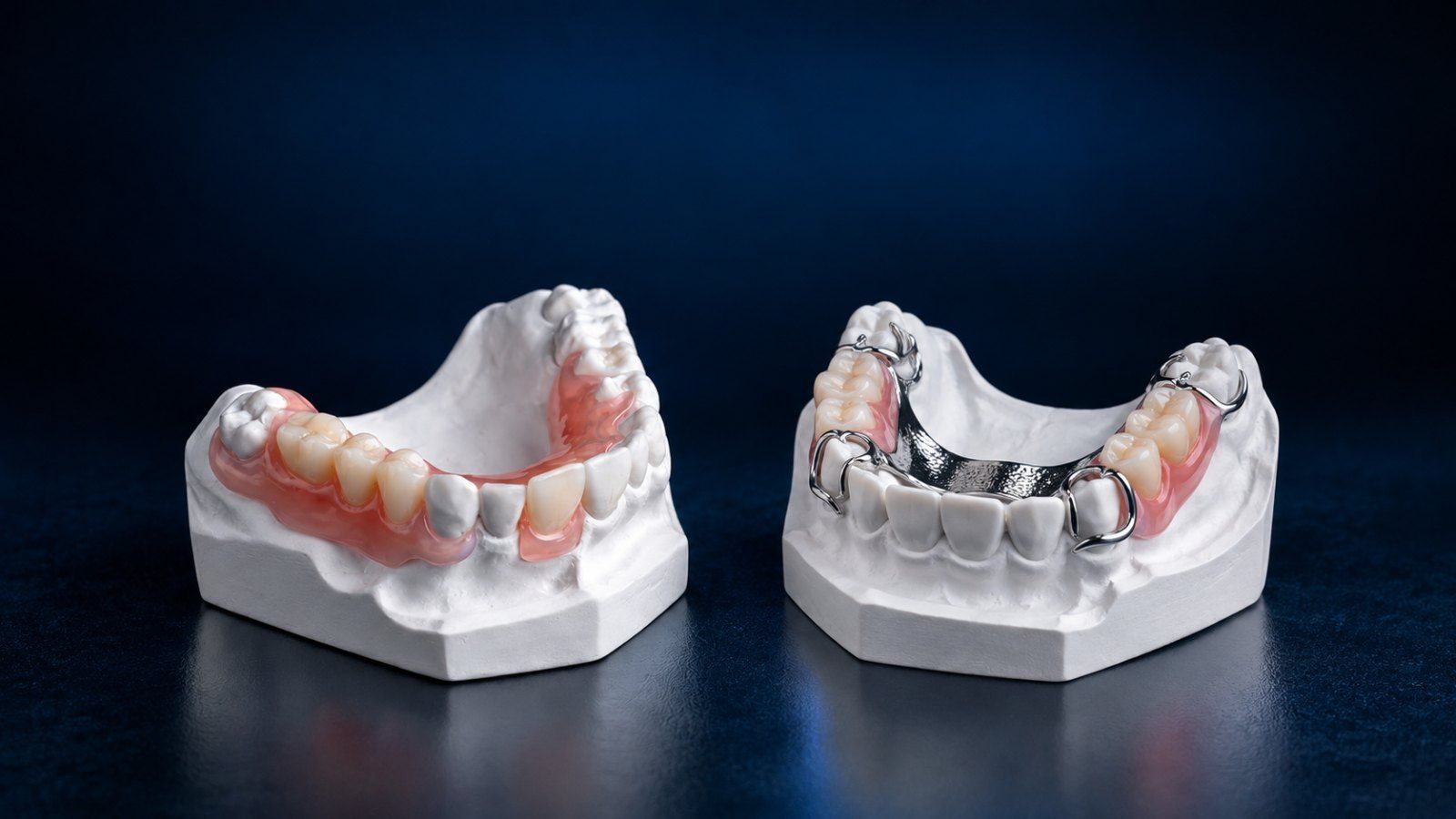
Bayshore BAYFLEX flexible partial denture next to a cast metal partial denture on stone models
By Dustin Drudy • October 21, 2026
Flexible or metal partial denture? Compare esthetics, comfort, support, metal sensitivity, and serviceability to choose the right partial for each patient.
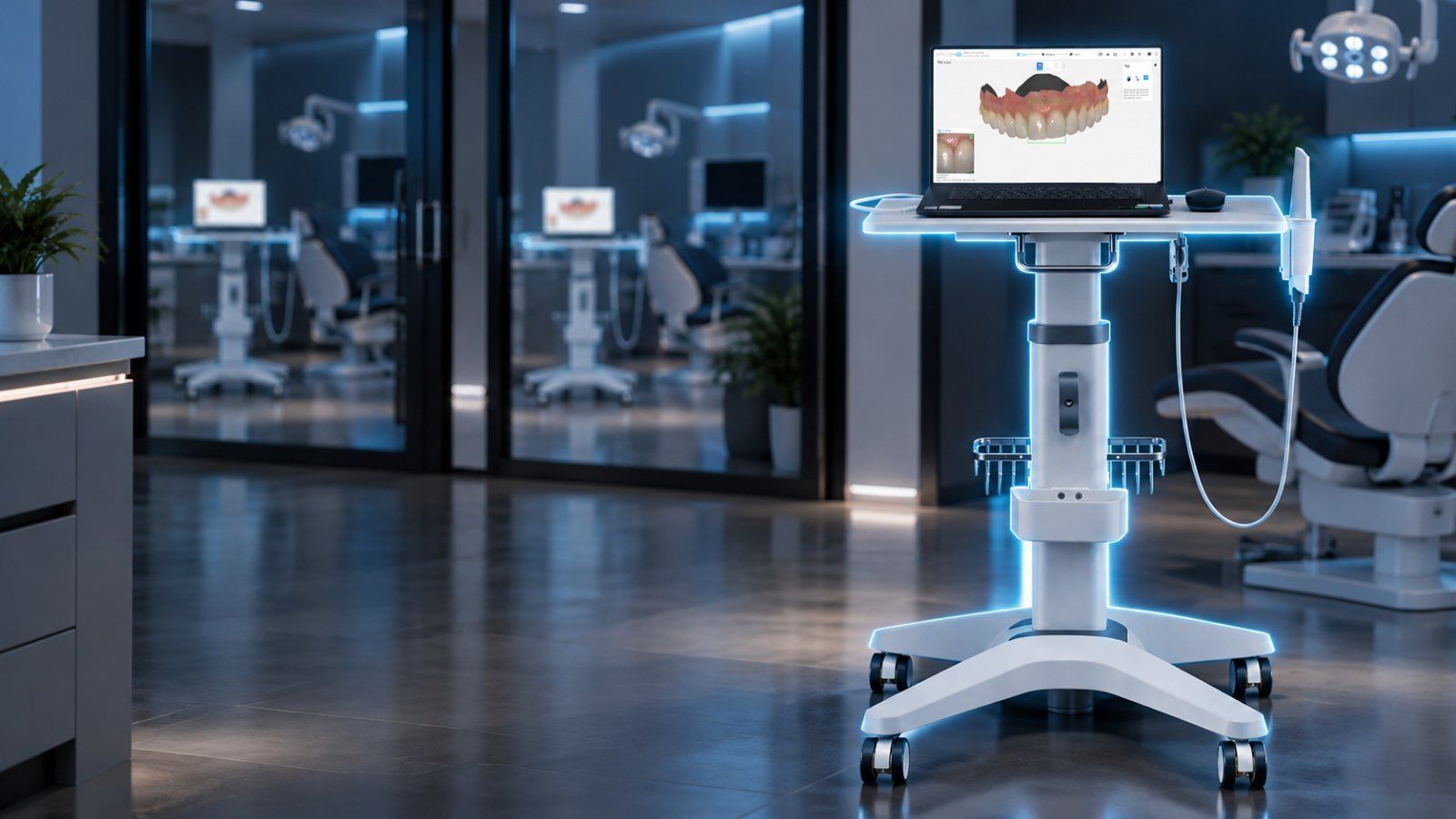
Bayshore IntelliScan 3D intraoral scanner cart in a dental operatory with matching scanners in addit
By Dustin Drudy • October 16, 2026
Should your practice own its intraoral scanners or join a scanner program? Compare 5-year cost, lab freedom, and support for multi-location groups.
By Dustin Drudy • October 16, 2026
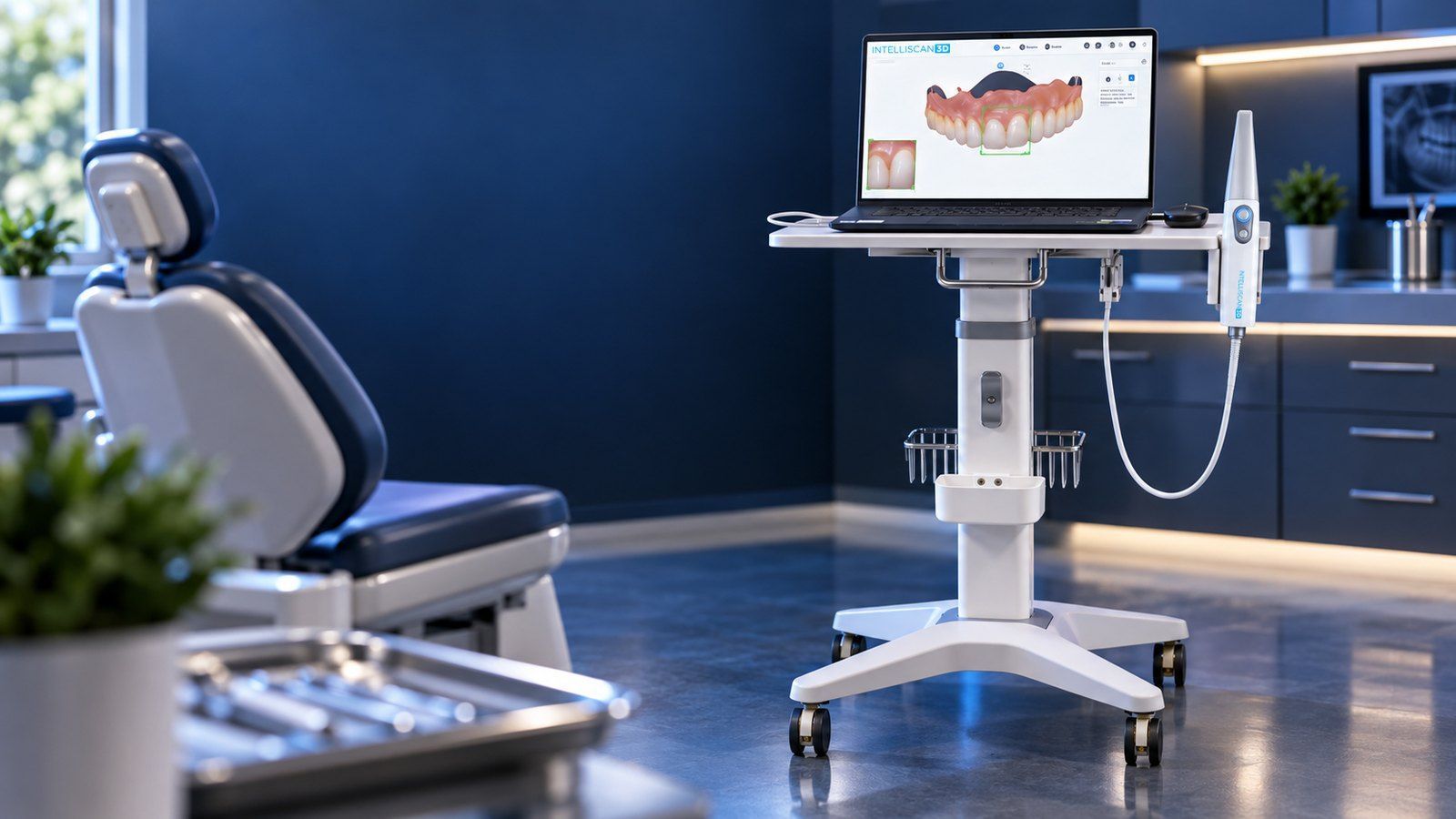
Buying an intraoral scanner? Evaluate support, software, versatility, clinical proof, 5-year cost, warranty, and scan quality before you commit.

Show More
Bayshore BAYFLEX flexible partial denture next to a cast metal partial denture on stone models
By Dustin Drudy • October 21, 2026
Flexible or metal partial denture? Compare esthetics, comfort, support, metal sensitivity, and serviceability to choose the right partial for each patient.
Bayshore IntelliScan 3D intraoral scanner cart in a dental operatory with matching scanners in addit
By Dustin Drudy • October 16, 2026
Should your practice own its intraoral scanners or join a scanner program? Compare 5-year cost, lab freedom, and support for multi-location groups.
By Dustin Drudy • October 16, 2026
Buying an intraoral scanner? Evaluate support, software, versatility, clinical proof, 5-year cost, warranty, and scan quality before you commit.

Show More

Share this article