Zirconia Bridges: A Clinical Guide for Predictable, Durable Bridgework
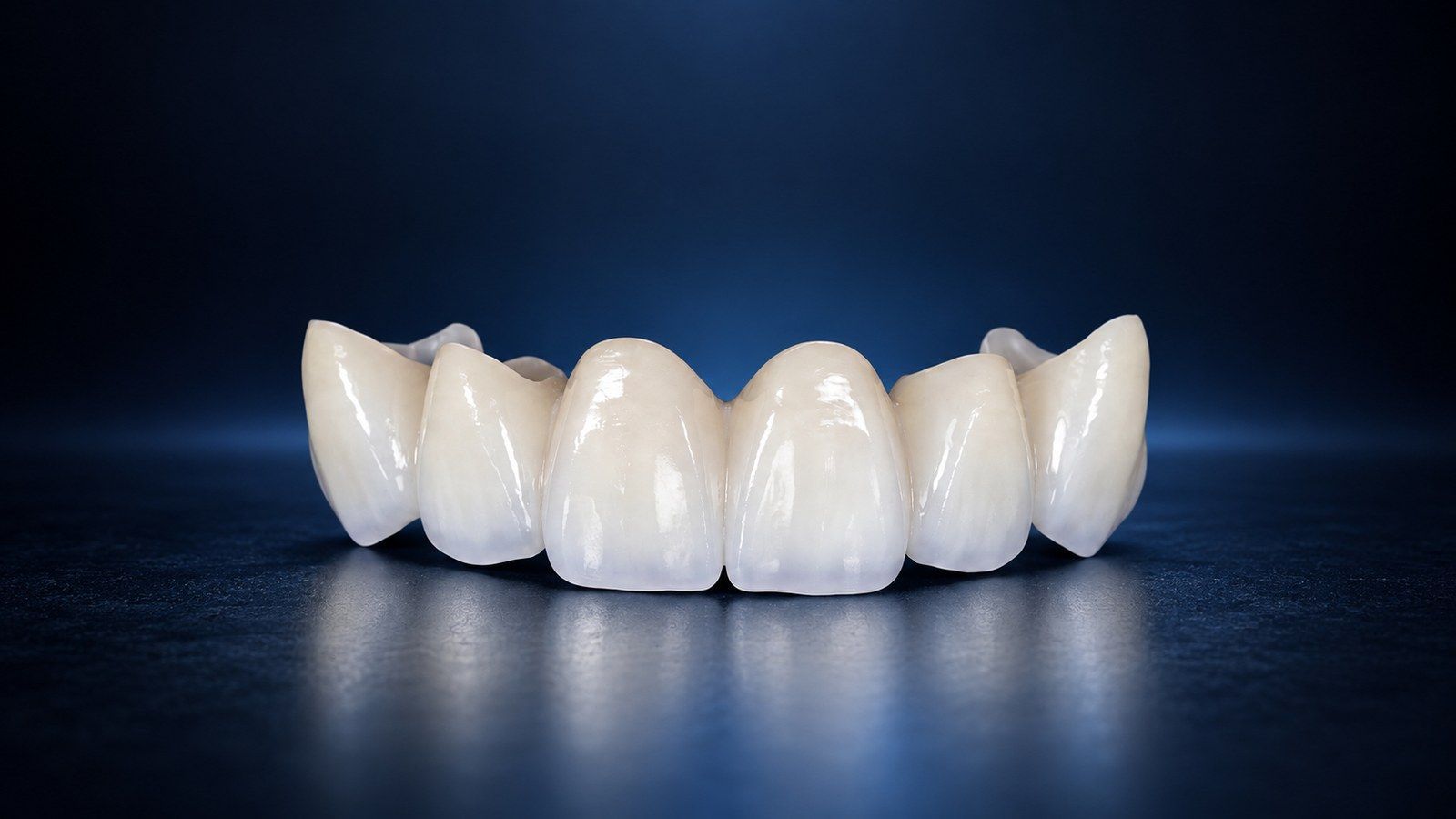
A monolithic zirconia bridge, milled from a single block for strength and a metal-free esthetic.
Zirconia bridges have become the workhorse of fixed prosthetics for a simple reason. They deliver the strength to survive the posterior load and the esthetics to satisfy the anterior smile, from a single material. For the practice, that means fewer remakes, fewer fractures, and a restoration you can prescribe with confidence across most of the mouth.
This guide covers when to choose a zirconia bridge, how to prepare for one, how the material options differ, and how to give your lab what it needs so the case seats the first time.
What is a zirconia bridge?
A zirconia bridge is a fixed dental prosthesis milled from zirconium dioxide, a ceramic prized for its high flexural strength and biocompatibility. It replaces one or more missing teeth by joining crowns, called retainers, on the abutment teeth to a pontic that spans the edentulous space. The whole restoration is one solid, metal free unit.
Because it is milled from a single block, a monolithic zirconia bridge has no layered interfaces to separate under load. That structural simplicity is a big part of why it has become the default choice for so much of today's bridgework.
How strong is a zirconia bridge?
Zirconia offers high flexural strength, well above conventional feldspathic porcelain. That is the property that lets it carry heavy occlusal load and span longer edentulous spaces without fracturing. It is also why zirconia is the material of choice for patients with bruxism or parafunction, where a weaker ceramic would chip or break.
If you want a deeper look at why this property matters when you choose a restorative material, see our post on why flexural strength is important when selecting a restoration material.
Why are dentists choosing zirconia over PFM?
For decades, porcelain fused to metal, or PFM, was the default for bridgework. Zirconia has largely replaced it because it solves PFM's biggest weaknesses.
- Strength. Modern zirconia carries load that would chip PFM porcelain, which makes it a safer prescription for posterior and long span bridges.
- Esthetics. There is no metal substructure, so there is no gray margin at the gumline and no opaque core to mask. The restoration reads as a natural tooth.
- Biocompatibility. Zirconia is inert and tissue friendly, a benefit for patients with metal sensitivities.
- Longevity. A monolithic zirconia bridge has no porcelain to metal interface to delaminate, which removes the most common failure mode and the remakes that come with it.
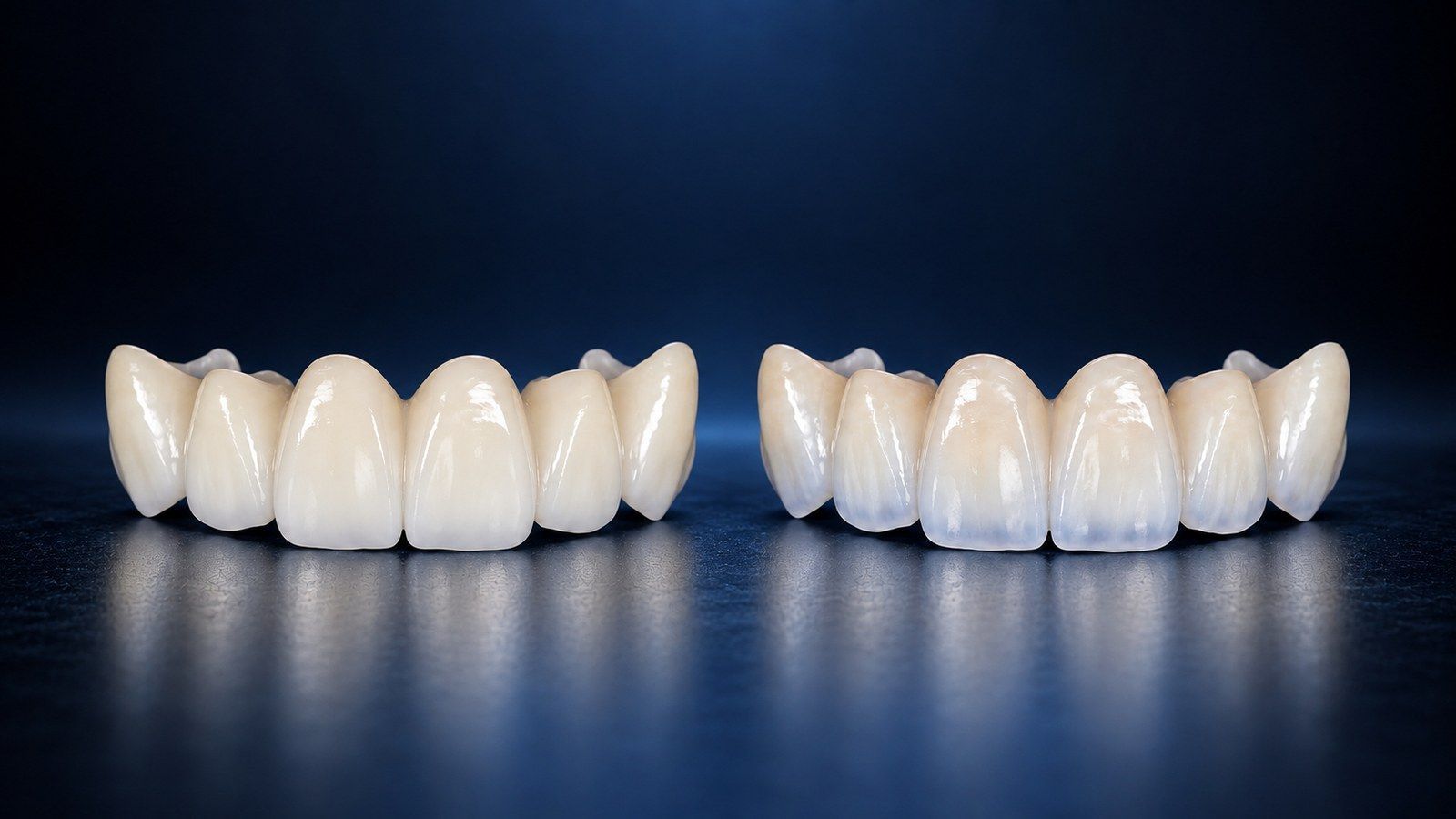
Monolithic (full-contour) zirconia for maximum strength, versus layered zirconia for the most lifelike anterior esthetics.
What is the difference between monolithic and layered zirconia?
Not all zirconia bridges are the same, and the choice affects both strength and shade.
Monolithic, or full contour, zirconia is milled as one solid piece. It is the strongest option and the best choice for posterior bridges, bruxers, and long spans. Today's high translucency formulations make monolithic esthetic enough for most cases, including many that used to require layering.
Layered zirconia uses a zirconia core with hand applied porcelain on the facial surface for maximum esthetics. It is ideal for anterior bridges where lifelike translucency and characterization matter most. The trade off is a porcelain layer that can chip, so it is best reserved for lower load situations.
A practical rule: lead with monolithic for strength critical cases, and reserve layered for high esthetic anterior work.
When should you prescribe a zirconia bridge?
Zirconia bridges are a strong choice for:
- Posterior fixed bridges carrying heavy occlusal load
- Patients with parafunction or bruxism, where fracture resistance is critical
- Cases with a metal allergy or a preference for metal free restorations
- Long span bridges where PFM porcelain would be at risk
- Anterior bridges where a natural, metal free esthetic is the goal, favoring layered or high translucency monolithic
For single units and short spans in the esthetic zone where load is lower, lithium disilicate is also worth considering. More on that choice below.
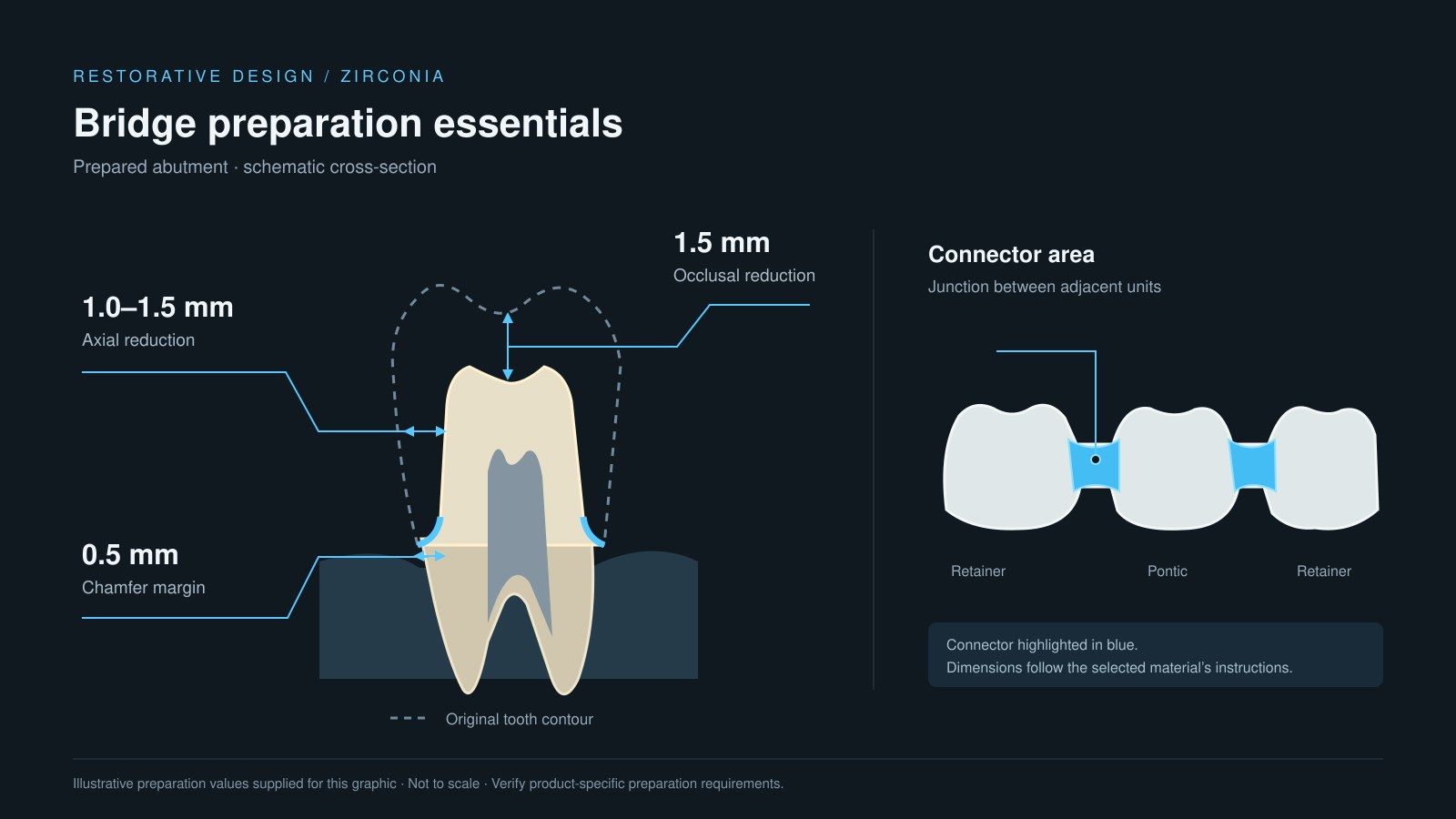
Target preparation for a zirconia bridge: about 1.5 mm occlusal, 1.0 to 1.5 mm axial, and a 0.5 mm chamfer margin, with adequate connector space.
How do you prepare a tooth for a zirconia bridge?
Most zirconia bridge remakes trace back to preparation, not to the material. To give the lab what it needs:
- Occlusal and incisal reduction: aim for roughly 1.5 mm to allow adequate material thickness.
- Axial reduction: roughly 1.0 to 1.5 mm for structural support and esthetics.
- Margins: a light chamfer or rounded shoulder of about 0.5 mm. Keep margins clear and readable, and avoid feather edges that are hard to mill accurately.
- Rounded internal line angles: eliminate sharp angles that concentrate stress and invite fracture.
- Adequate reduction for connectors: preserve enough interocclusal and interproximal space so the lab can build connectors at full height.
When in doubt on a complex or long span case, send the design question to your lab before you prep, not after. A two minute conversation up front prevents a remake later.
How do connector dimensions affect long span success?
Connectors are the single biggest predictor of whether a long span zirconia bridge survives. The connector is where stress concentrates, so its height and cross sectional area determine how much load the bridge can carry. Under reduce the prep and the lab is forced to build thin connectors, which is exactly where long span fractures start.
Two things help here. First, preserve interocclusal space during preparation so there is room for a tall connector. Second, flag long span cases when you send them, so the lab can engineer the connector and pontic design for the load rather than treating it as a standard case. At Bayshore Dental Studio, long span designs are reviewed before milling for exactly this reason.
Zirconia or e.max: which should you choose?
Lithium disilicate, known as e.max, and zirconia both have a place, and choosing well comes down to load and location.
Choose zirconia for strength. It is the safer prescription for posterior restorations, long spans, bruxers, and most bridges.
Choose e.max for maximum anterior esthetics on single units and short spans where load is lower and translucency is the priority.
For most bridgework, especially anything posterior or long span, zirconia's strength makes it the more predictable choice.
How do you cement a zirconia bridge?
Monolithic zirconia can be conventionally cemented or adhesively bonded. For most retentive preparations, a resin modified glass ionomer gives reliable, straightforward results. When retention is limited, bond the bridge using a zirconia specific primer containing MDP to get a durable bond to the intaglio surface.
We cover the broader topic in our post on the two methods for cementing crowns and bridges, which is worth a read if you want to match your cementation protocol to the case.
Can you adjust and polish a zirconia bridge chairside?
Yes, and doing it correctly protects both the restoration and the opposing teeth. When you adjust occlusion, use a fine diamond under copious water spray to avoid overheating the ceramic, then restore the surface with a dedicated zirconia polishing system. A well polished zirconia surface is actually kinder to the opposing dentition than a glazed surface that has been ground through and left rough. Skipping the polishing step leaves a coarse surface that can accelerate wear on opposing enamel, so keep a zirconia polishing kit chairside. If a case needs a large adjustment, let the lab know, since it can point to an occlusion or design issue worth correcting at the source rather than at the chair.
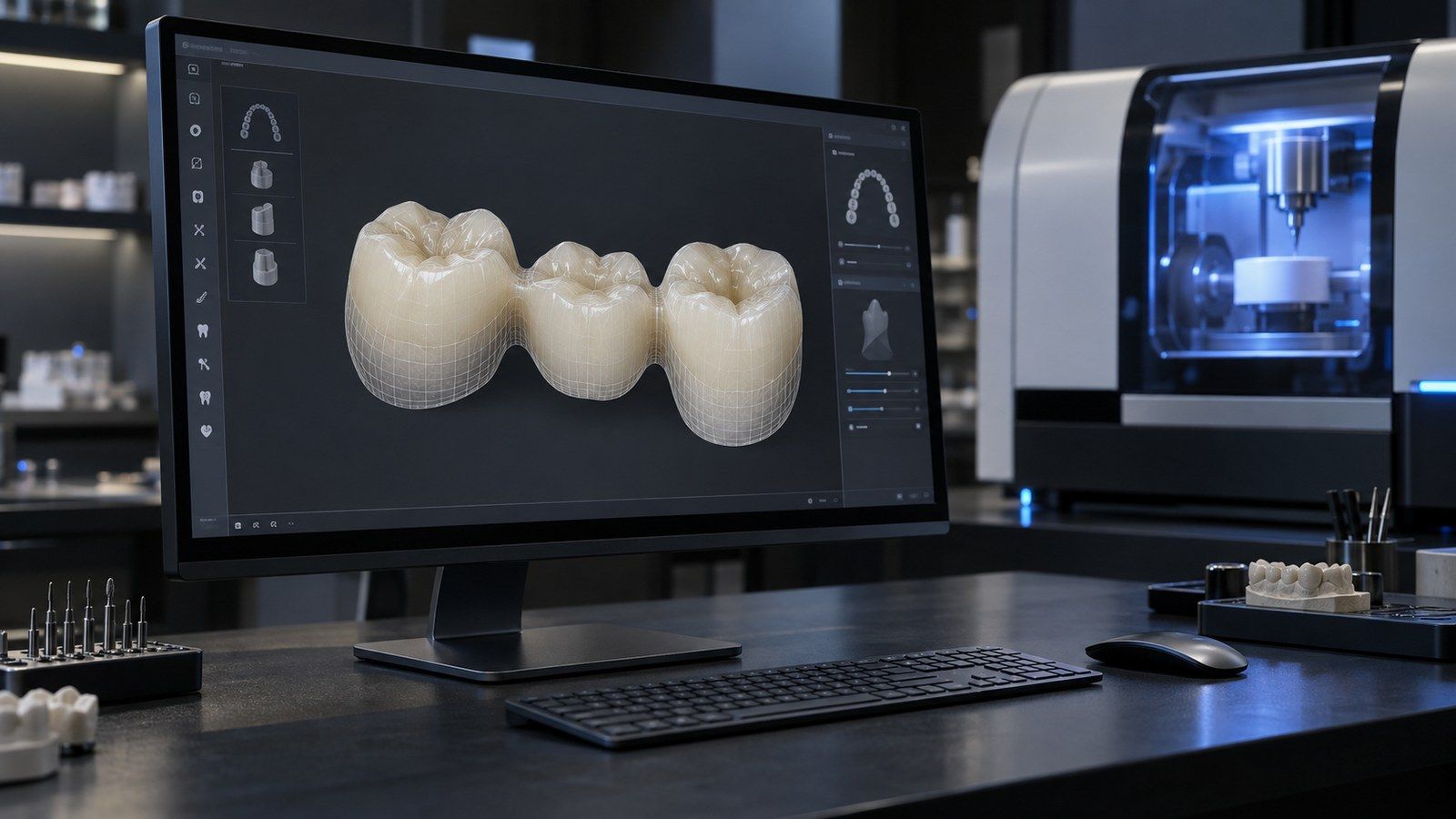
Every Bayshore zirconia bridge is designed and milled in a fully digital workflow for a consistent, predictable fit.
How Bayshore fabricates your zirconia bridge
At Bayshore Dental Studio, every zirconia bridge is designed and milled in a fully digital workflow, from scan or model through CAD design, milling, and sintering. That means consistent margins, engineered connectors, and predictable fit, case after case.
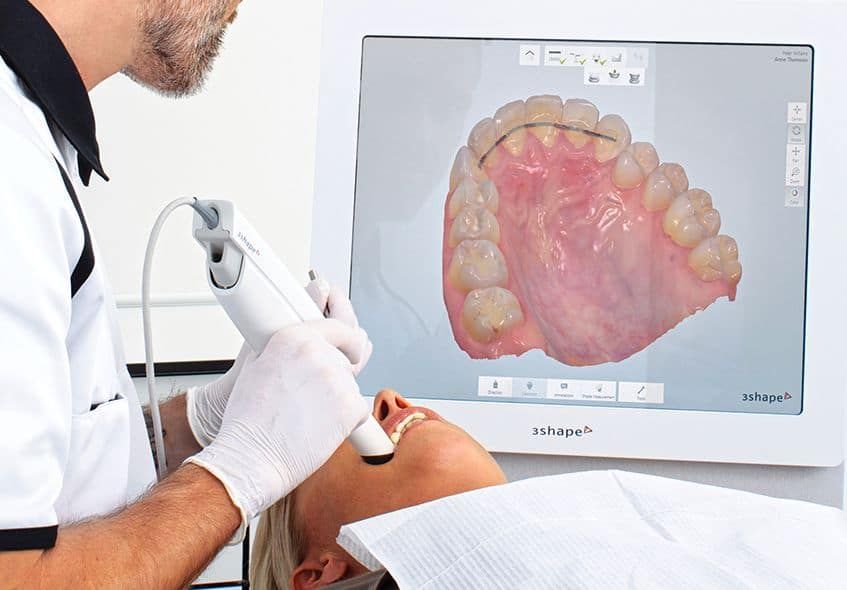
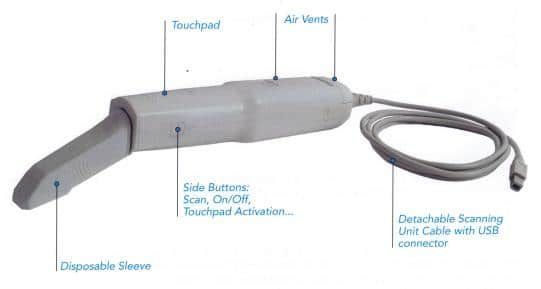
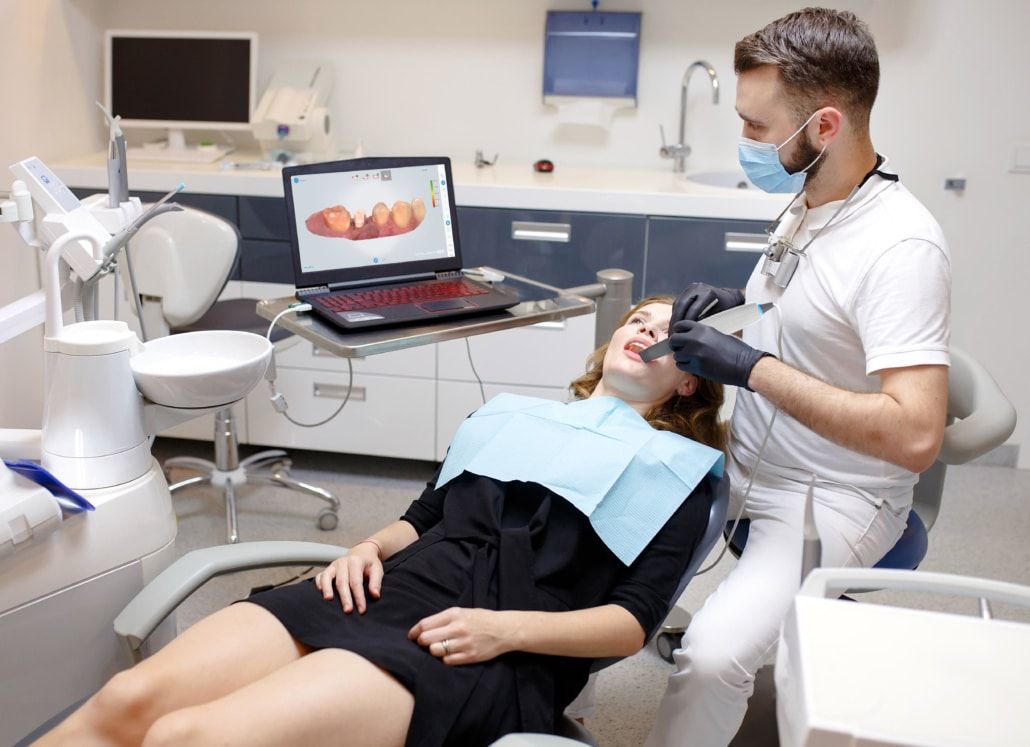
You can send your case either way. Take a digital scan with an intraoral scanner such as Intelliscan 3D, or send a traditional impression and let the lab digitize it. Either path lands in the same place, a Zcrown zirconia restoration that seats the first time and holds up in function.
Frequently asked questions
How strong is a zirconia bridge?
Zirconia offers high flexural strength, well above conventional feldspathic porcelain, which is why it is the material of choice for posterior and long span bridges and for patients with bruxism.
Can zirconia be used for anterior bridges?
Yes. For anterior bridges, high translucency monolithic or layered zirconia delivers a natural, metal free esthetic. Layered zirconia offers the most lifelike result where esthetics are the priority.
How much reduction does a zirconia bridge require?
Plan for roughly 1.5 mm occlusal or incisal reduction and 1.0 to 1.5 mm axial reduction, with a light chamfer margin of about 0.5 mm. Adequate connector dimensions are essential for long spans.
Is a zirconia bridge better than PFM?
For most cases, yes. Zirconia avoids the porcelain to metal delamination and gray margins associated with PFM, while offering greater strength and better esthetics.
How do you cement a zirconia bridge?
Monolithic zirconia can be conventionally cemented or bonded. A resin modified glass ionomer works for most retentive preparations, and a zirconia specific primer is recommended when retention is limited.
Send your next zirconia bridge case to Bayshore
Get predictable strength, natural esthetics, and a fit that seats the first time. Partner with Bayshore Dental Studio for your zirconia bridgework. Send your next case today.
Recent Posts