
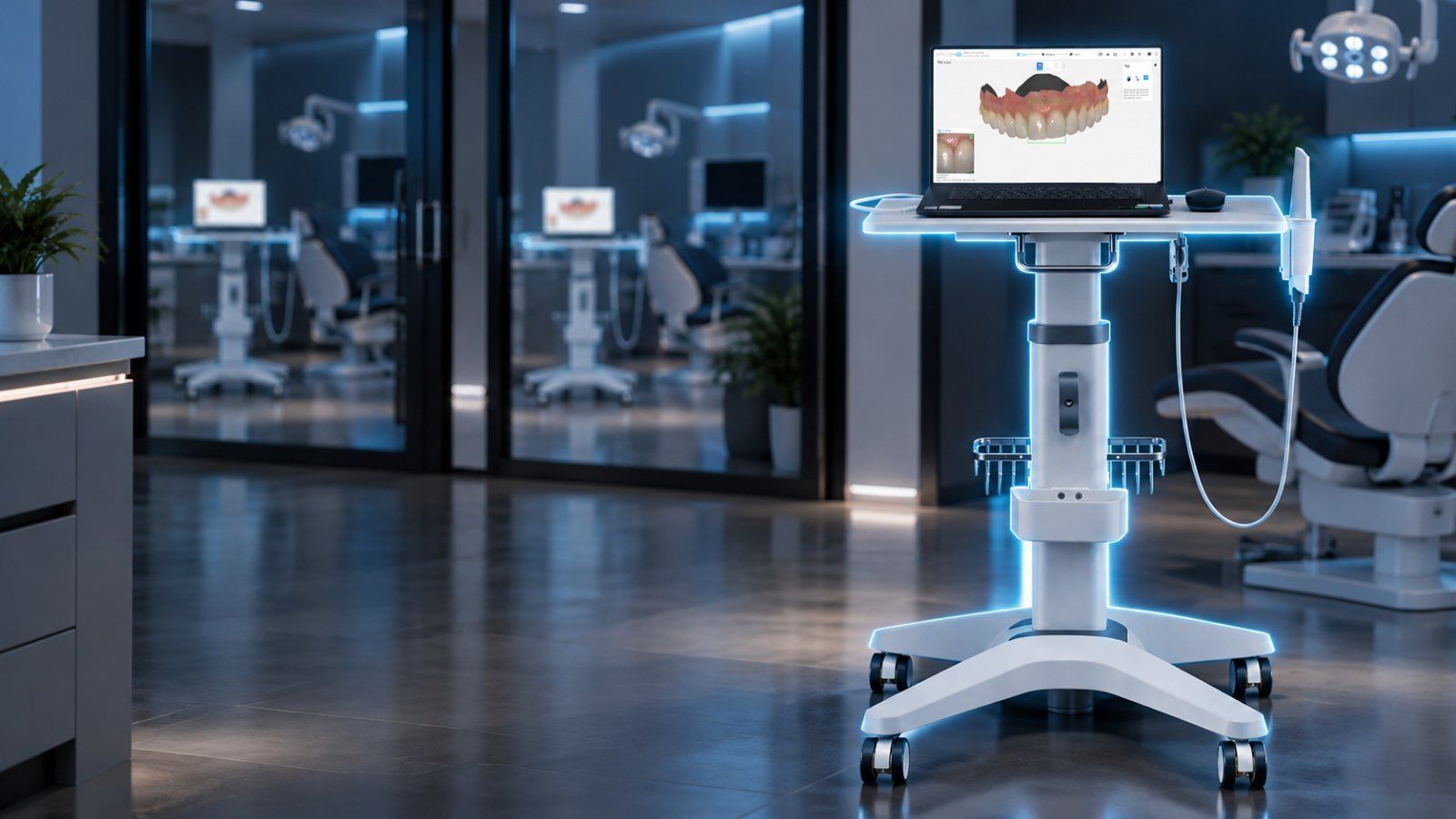
Why is digital technology such a great fit in dentistry?

Bayshore • October 11, 2020

Share this article

Digital technology has moved from a novelty to the backbone of modern dentistry, and it fits the field so well because it solves the everyday problems practices care about most: accuracy, speed, communication, and experience.


Precision that reduces remakes


Digital tools capture more detail and remove human variables from the process. An intraoral scan records margins and contacts with a level of accuracy that is hard to match with traditional materials, and that precision carries through design and milling. The result is better-fitting restorations and fewer remakes.


Speed and a streamlined workflow


A digital workflow shortens the path from chair to lab to seat. Scans go to the lab in minutes, cases move through design and milling faster, and the whole loop tightens. Less waiting and less rework mean cases finish on time and the schedule runs smoother.


Better communication and case acceptance


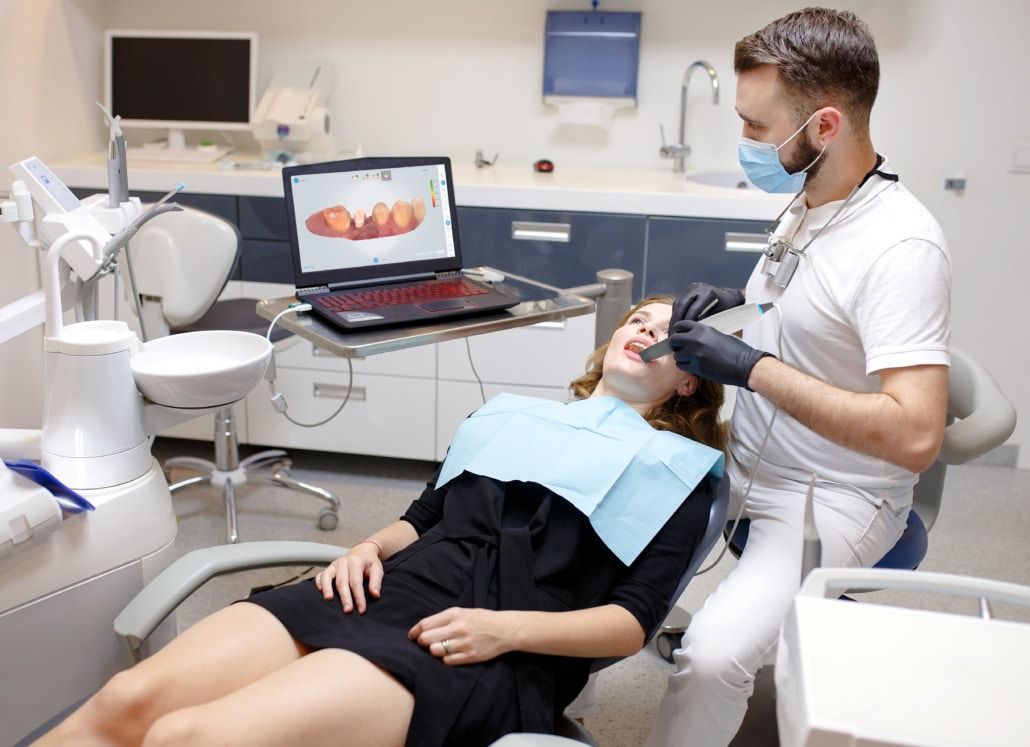
Digital makes the invisible visible. Showing a patient a 3D model of their own mouth turns an abstract treatment plan into something they can see and understand. That clarity builds trust and helps patients move forward with care.


A better experience for everyone


Patients appreciate skipping messy impression trays, and staff appreciate a cleaner, more predictable process. A practice that runs on modern digital tools also signals quality, which matters to the patients choosing where to go.


Where to start

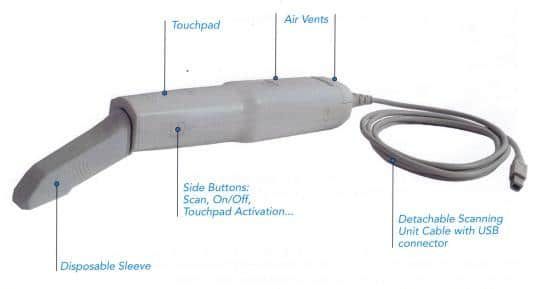
You do not have to digitize everything at once. Many practices start with digital impressions and grow from there. An affordable, easy-to-own scanner like IntelliScan 3D is a natural first step, and pairing it with a lab built for digital workflows keeps everything connected.


Ready to build a digital workflow that actually saves you time? Send your next case to Bayshore Dental Studio and we will help you get there.

Recent Posts

Bayshore IntelliScan 3D intraoral scanner cart in a dental operatory with matching scanners in addit
By Dustin Drudy • October 16, 2026
Should your practice own its intraoral scanners or join a scanner program? Compare 5-year cost, lab freedom, and support for multi-location groups.
By Dustin Drudy • October 16, 2026
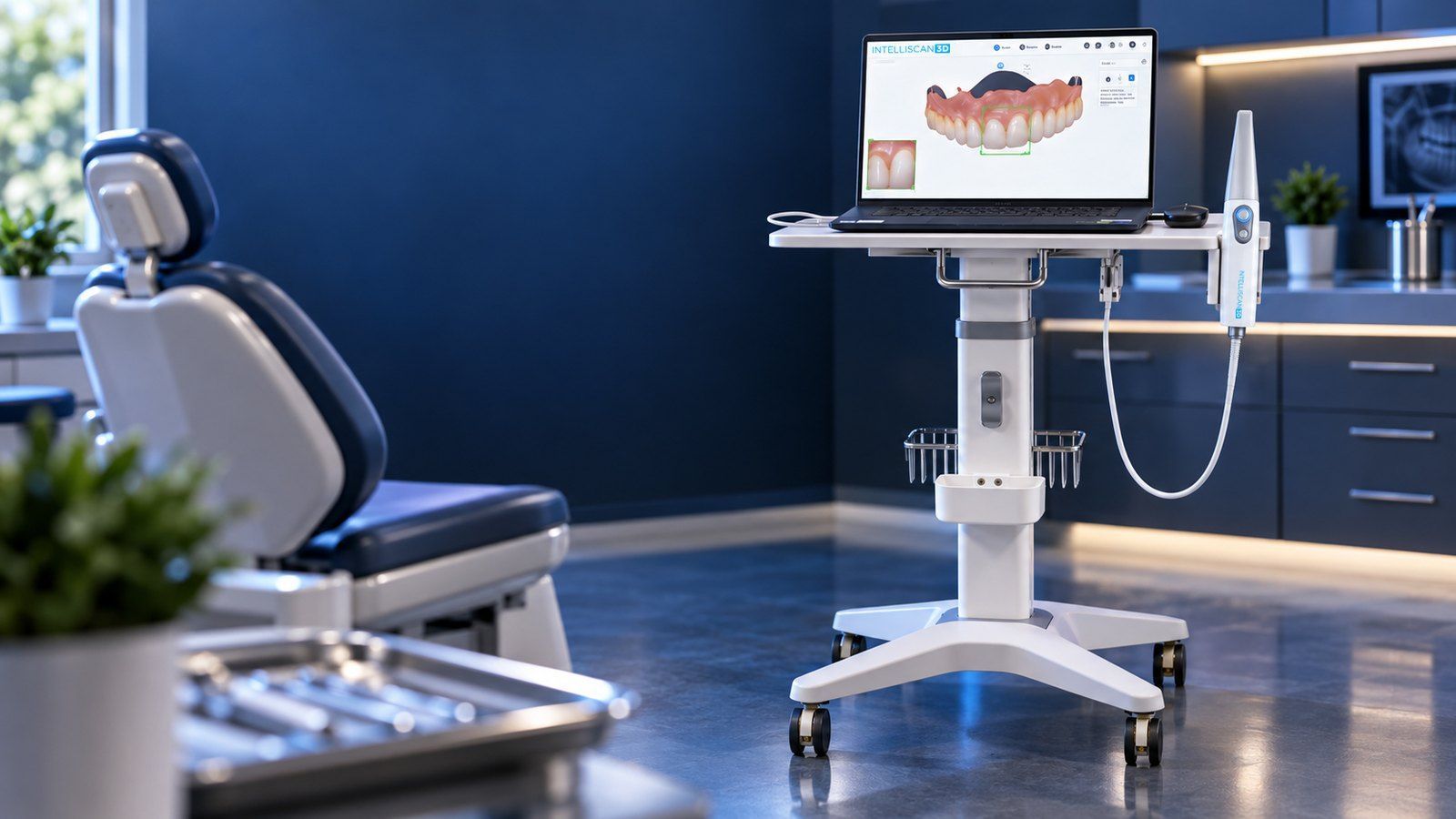
Buying an intraoral scanner? Evaluate support, software, versatility, clinical proof, 5-year cost, warranty, and scan quality before you commit.
By Dustin Drudy • October 15, 2026
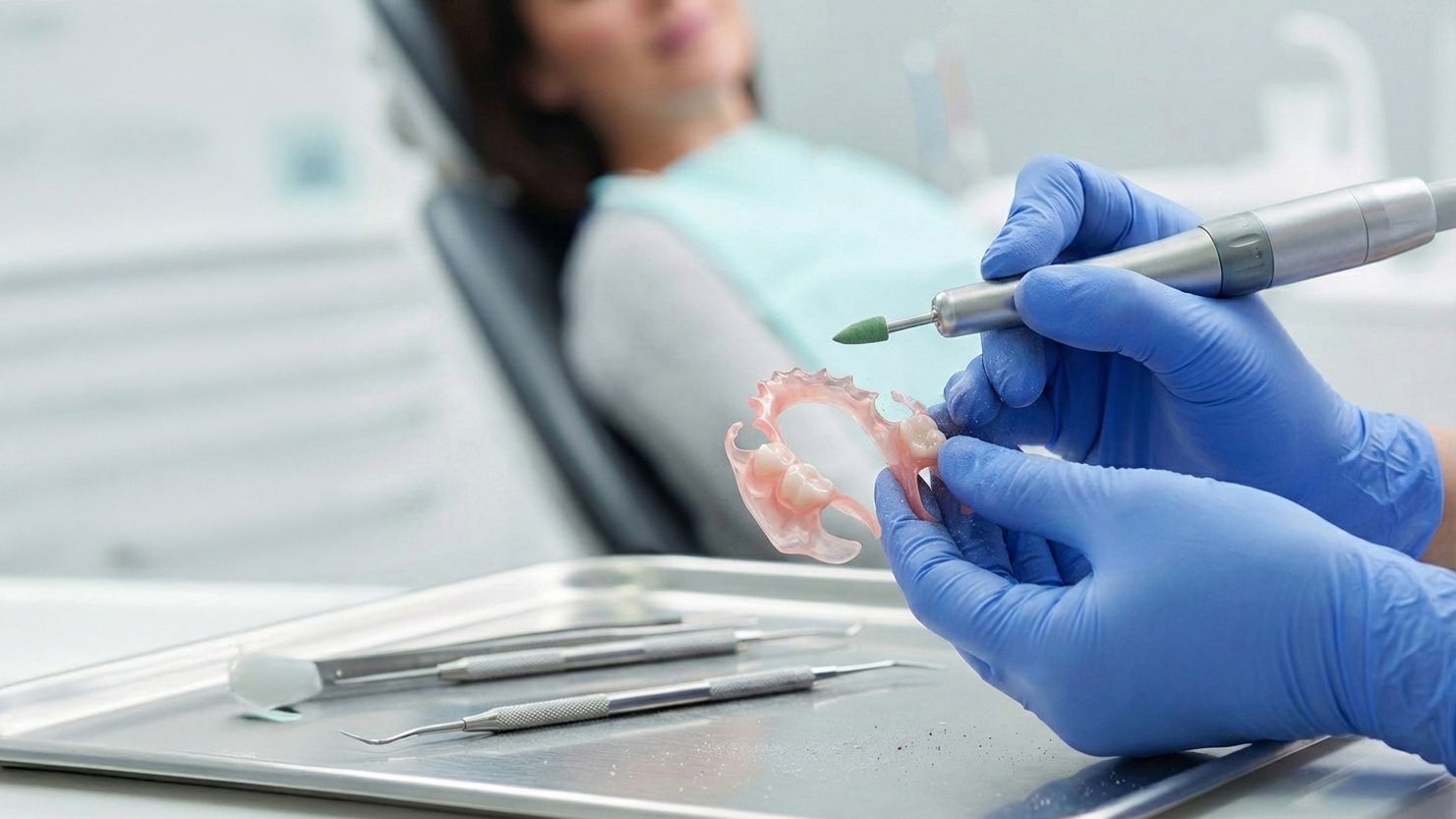
What to ask before choosing a flexible partial denture lab: rebasing, adding teeth, repairs, materials, fit, and turnaround. A practical guide for dentists.
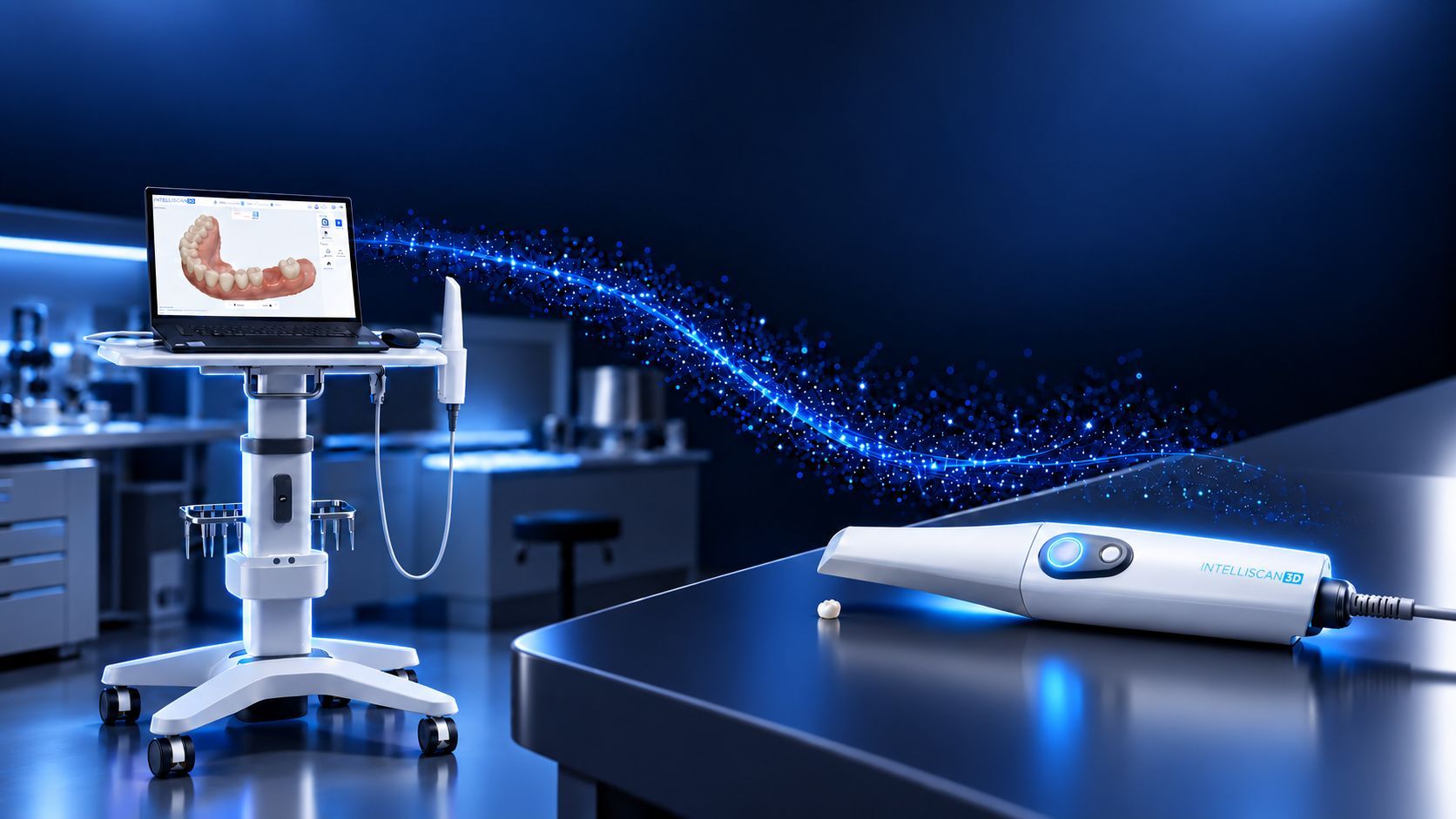
Bayshore IntelliScan 3D intraoral scanner and cart sending a digital impression to the dental lab
By Dustin Drudy • October 5, 2026
Chairside milling or a lab-centered workflow? Compare cost, team skills, turnaround, and case range to choose the right intraoral scanner workflow.
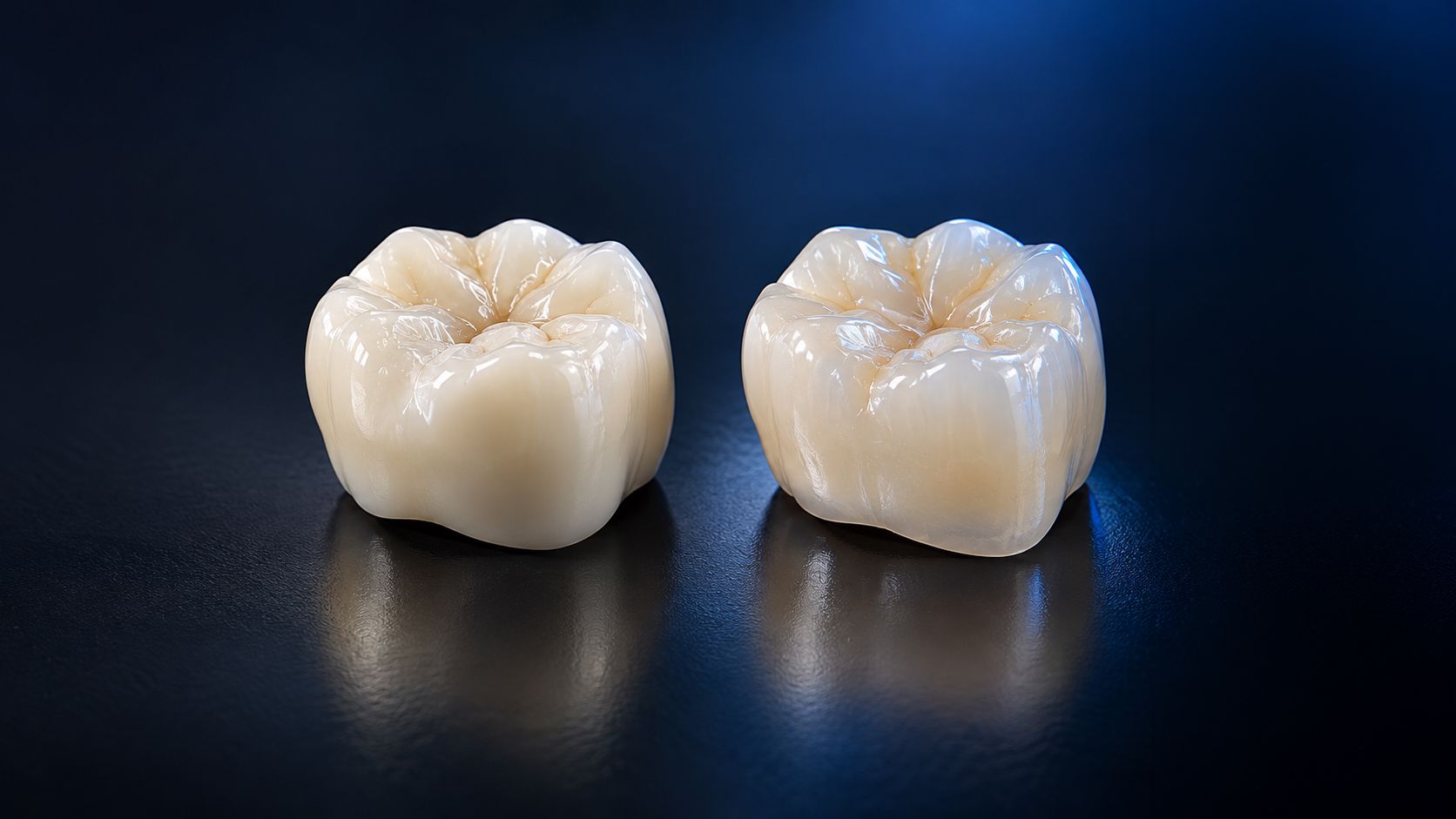
A zirconia dental crown and an IPS e.max crown side by side, comparing strength and translucency
By Dustin Drudy • September 29, 2026
Zirconia or IPS e.max? Compare strength, esthetics, prep, and ideal cases so you can choose the right crown material for every tooth. A lab guide from Bayshore.
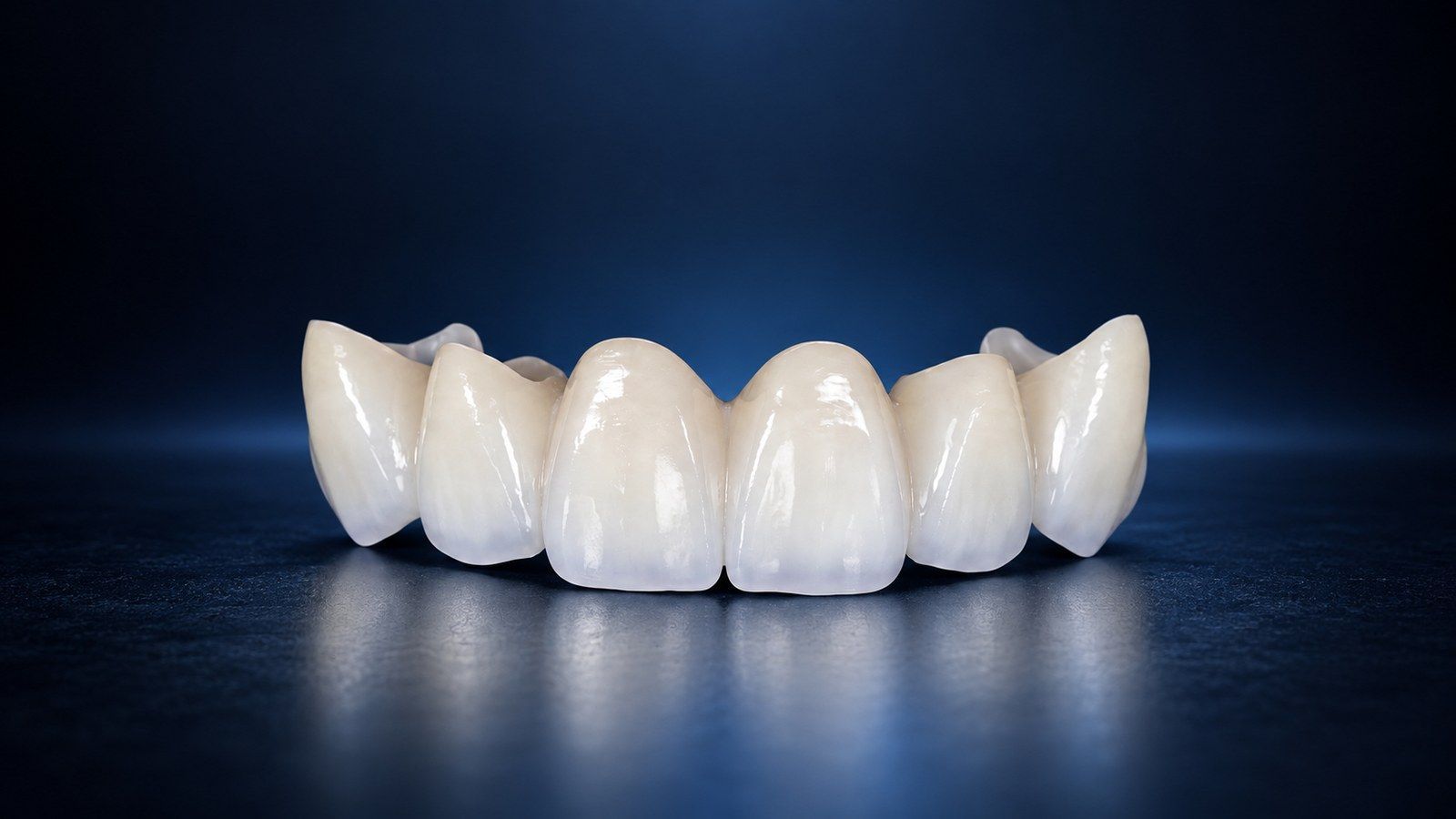
Monolithic zirconia dental bridge under studio lighting
By Dustin Drudy • September 22, 2026
How to prepare a zirconia bridge: reduction, margins, connector size for long spans, monolithic vs layered, and cementation. A clinical guide from a dental lab.
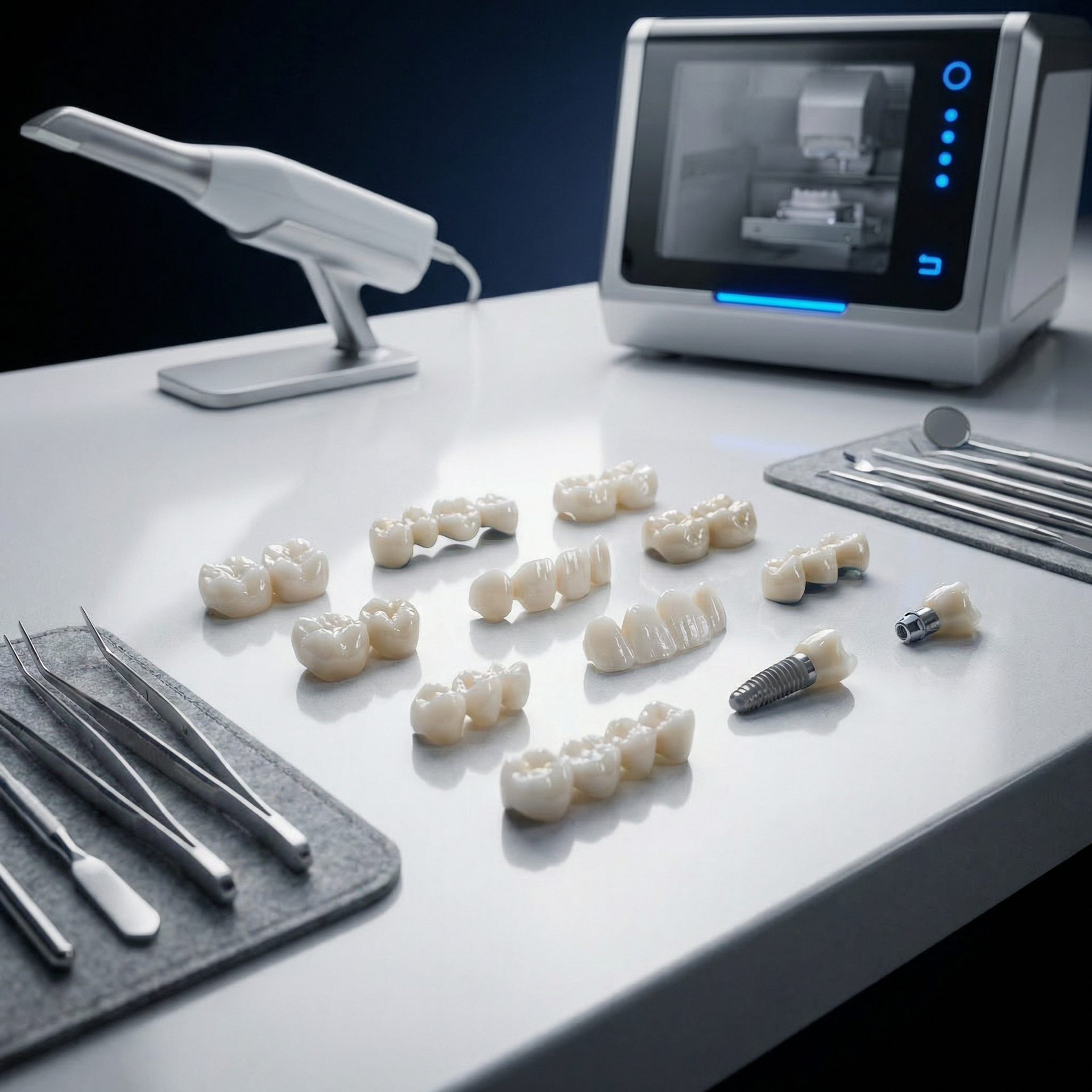
By Bayshore • January 4, 2023
Flexural strength (measured in MPa) determines how much load a restoration can take. A dental lab's guide to why it matters when selecting zirconia and other materials.
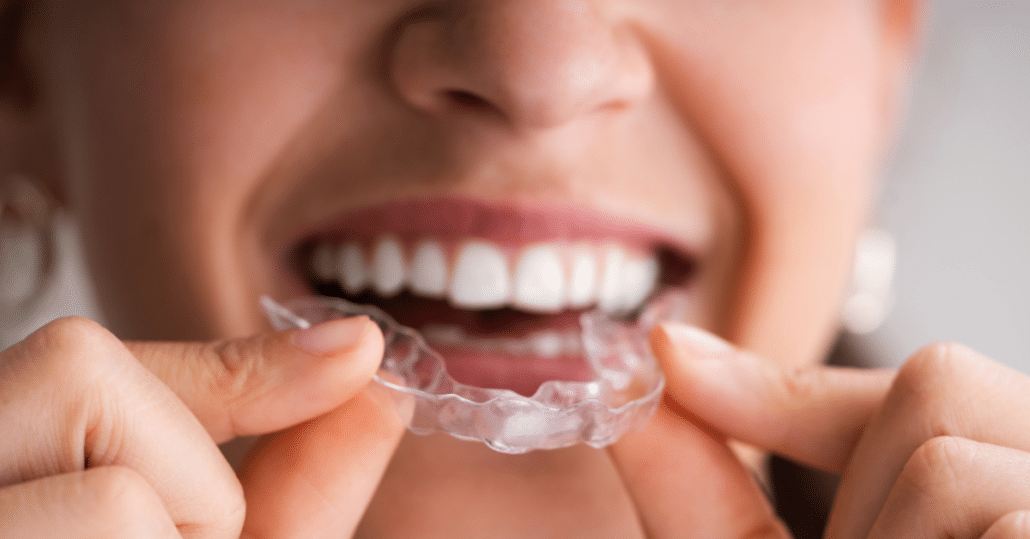
By Bayshore • October 11, 2020
How clear aligners are reshaping orthodontics, and what dentists should know about offering aligner therapy in their own practice.
By Bayshore • August 22, 2020
Step-by-step guidance on safely disinfecting your intraoral scanner between patients to keep infection control tight in the dental office.
By Bayshore • August 22, 2020
How intraoral scanners improve accuracy, speed, and case acceptance in the dental practice, plus what to look for when choosing a scanner.

Show More