
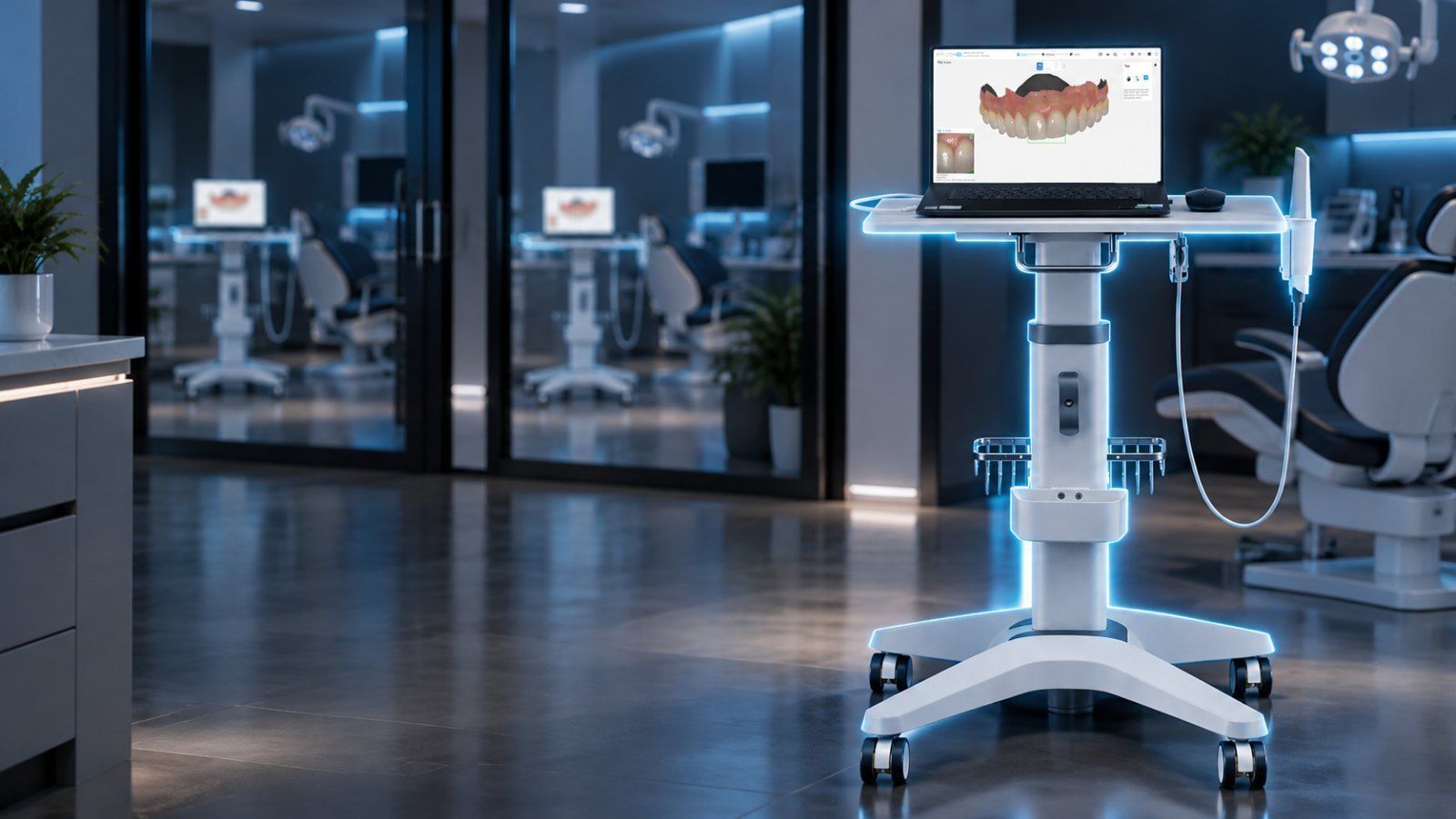
Should your practice own its intraoral scanners or join a scanner program? Compare 5-year cost, lab freedom, and support for multi-location groups.
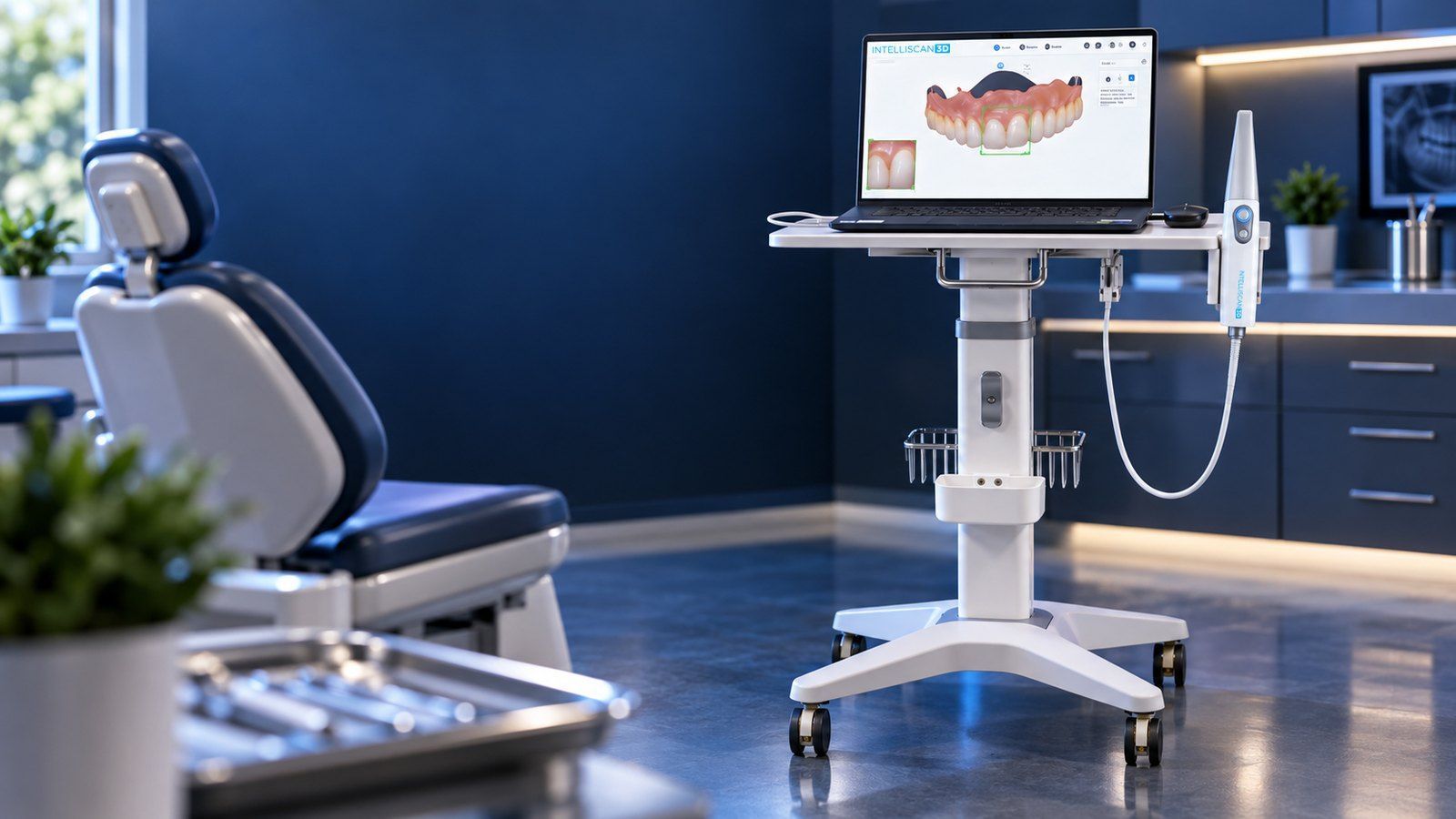
Buying an intraoral scanner? Evaluate support, software, versatility, clinical proof, 5-year cost, warranty, and scan quality before you commit.
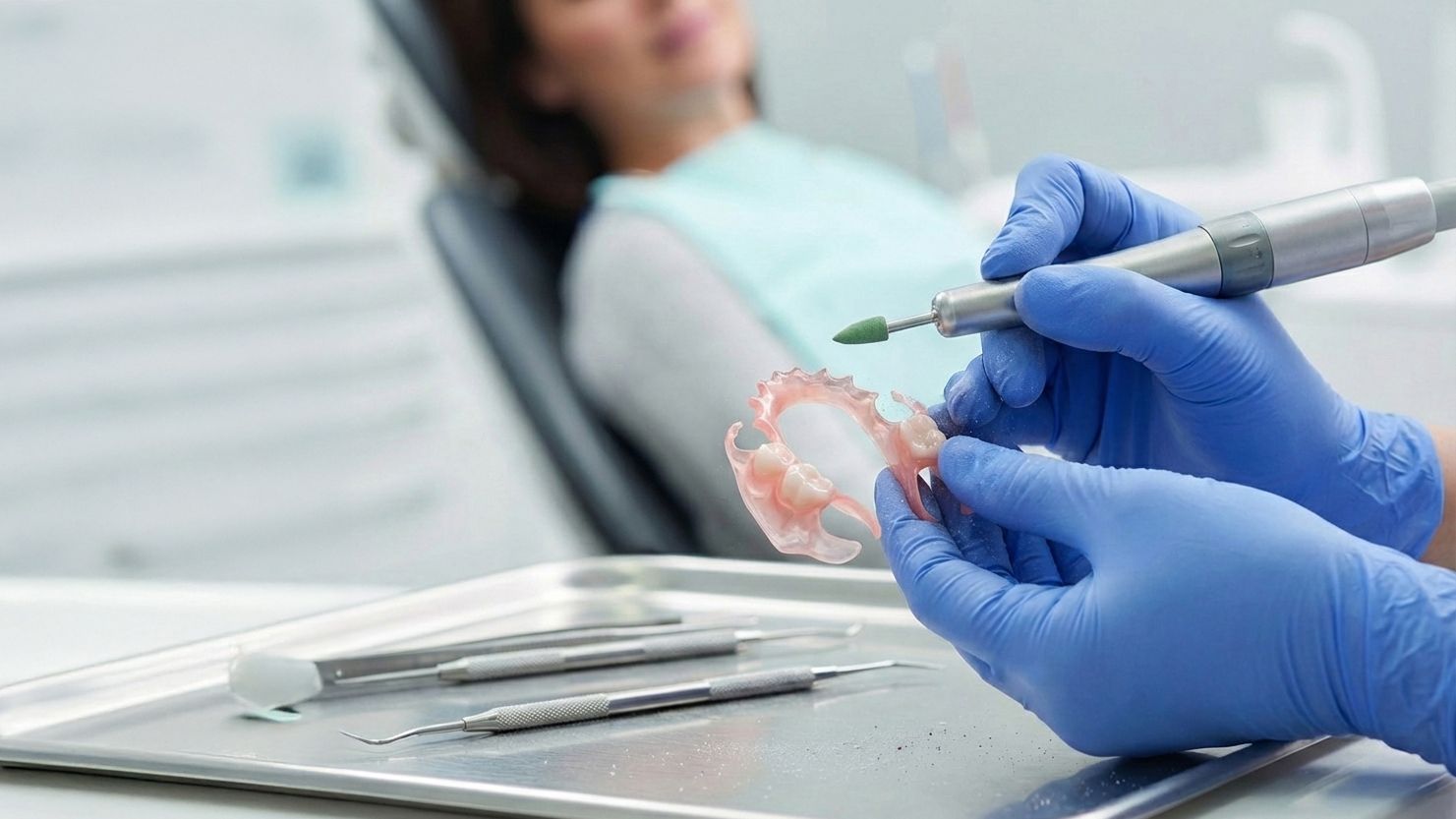
What to ask before choosing a flexible partial denture lab: rebasing, adding teeth, repairs, materials, fit, and turnaround. A practical guide for dentists.
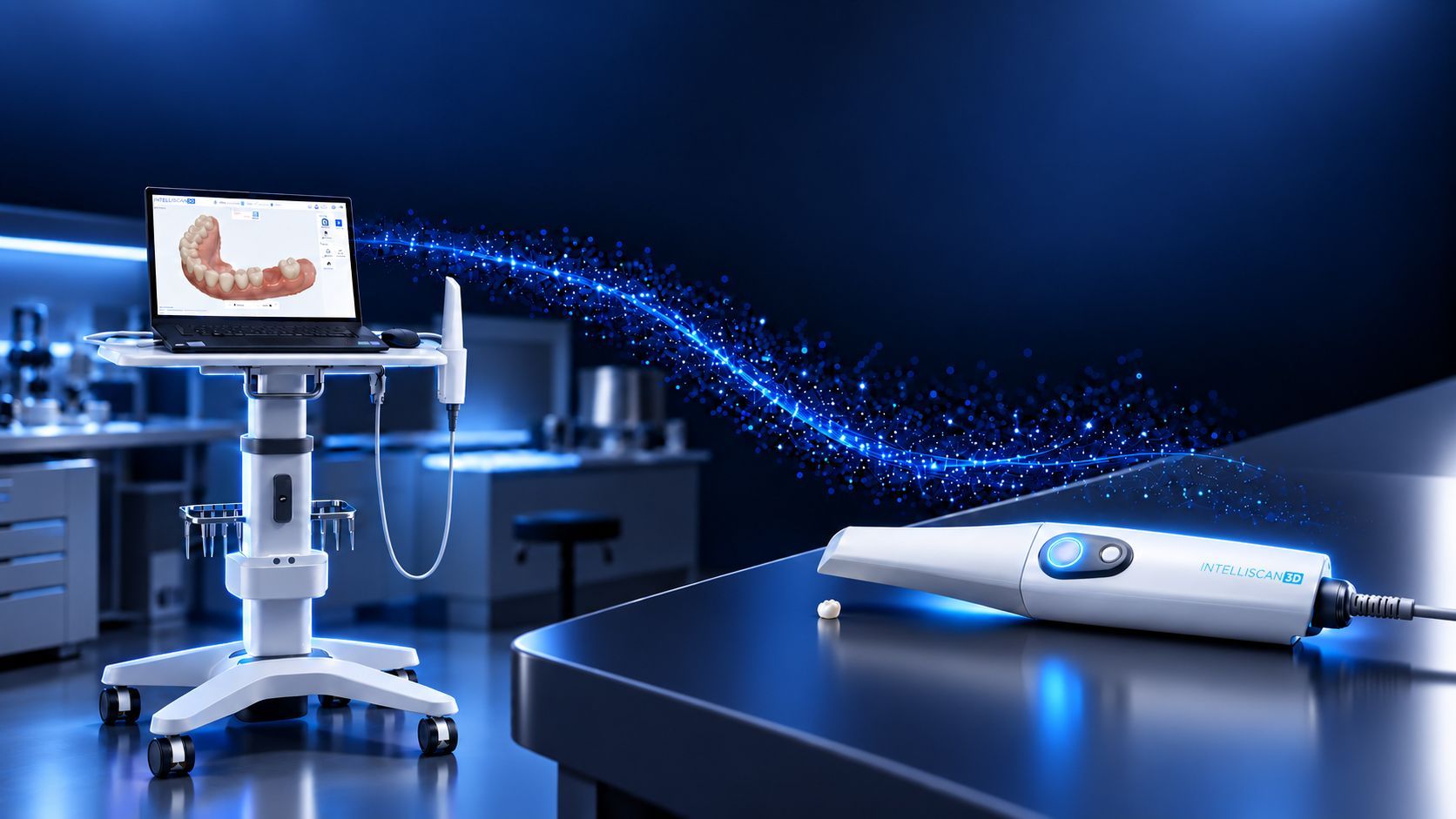
Chairside milling or a lab-centered workflow? Compare cost, team skills, turnaround, and case range to choose the right intraoral scanner workflow.
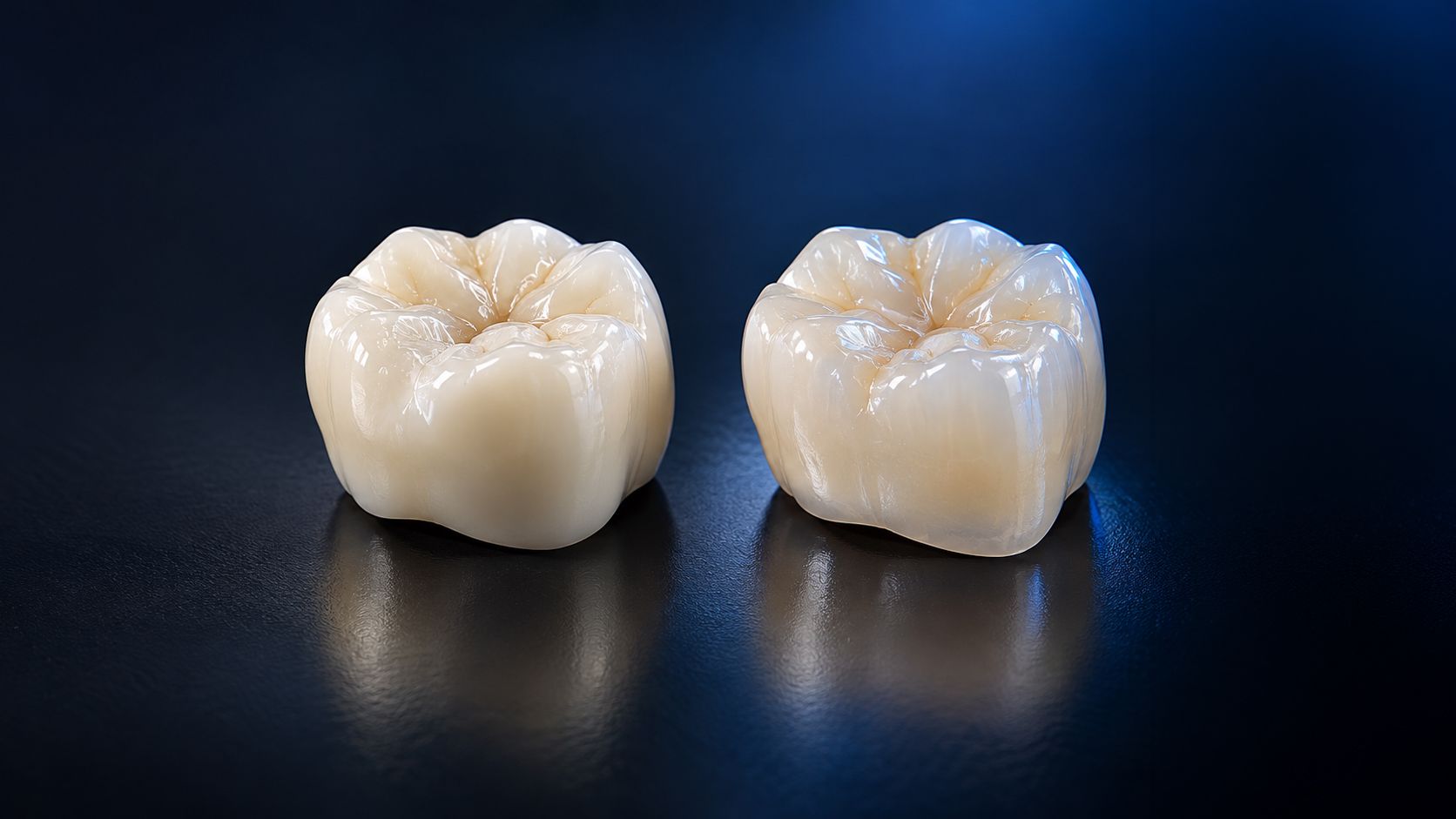
Zirconia or IPS e.max? Compare strength, esthetics, prep, and ideal cases so you can choose the right crown material for every tooth. A lab guide from Bayshore.
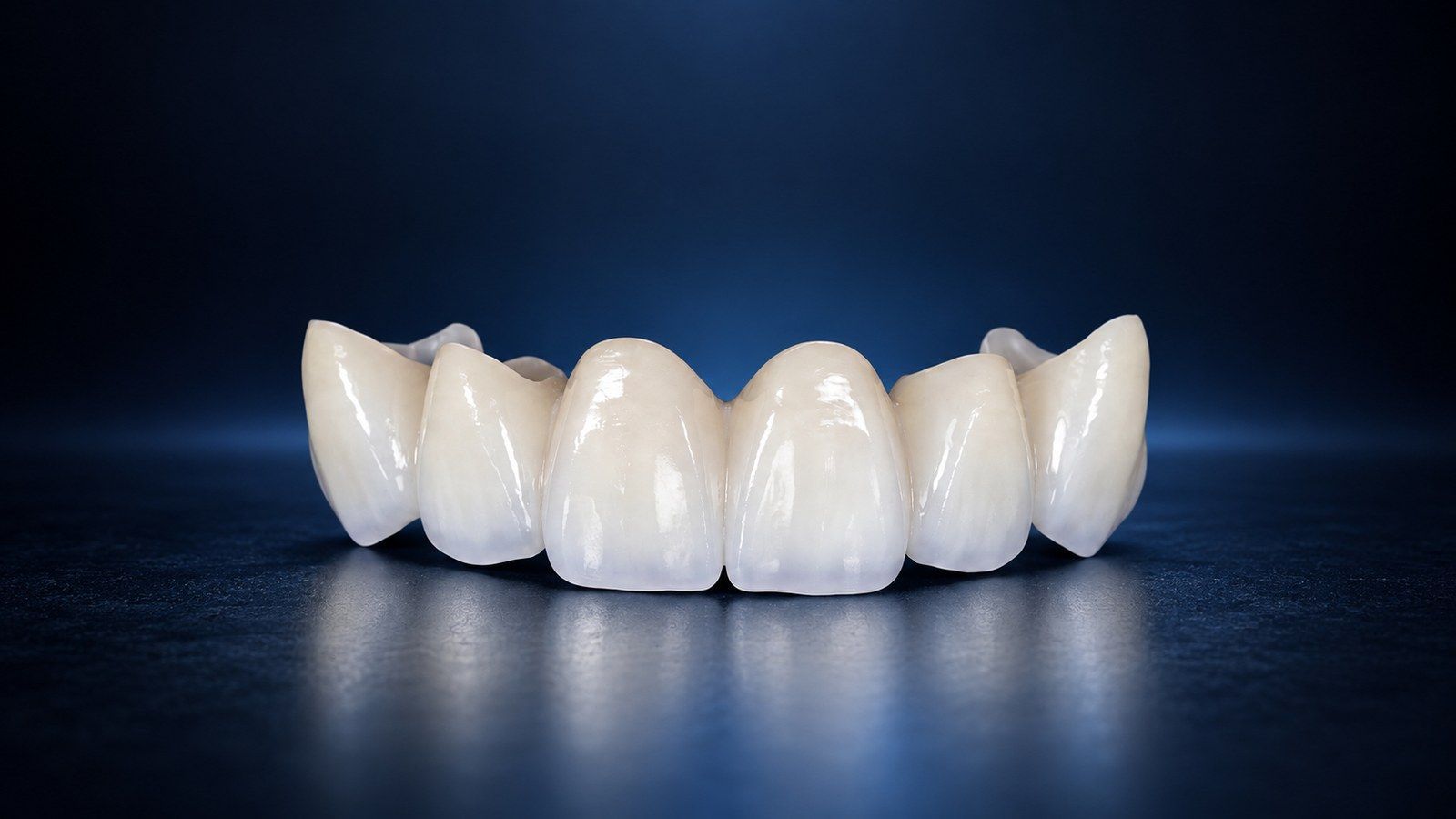
How to prepare a zirconia bridge: reduction, margins, connector size for long spans, monolithic vs layered, and cementation. A clinical guide from a dental lab.
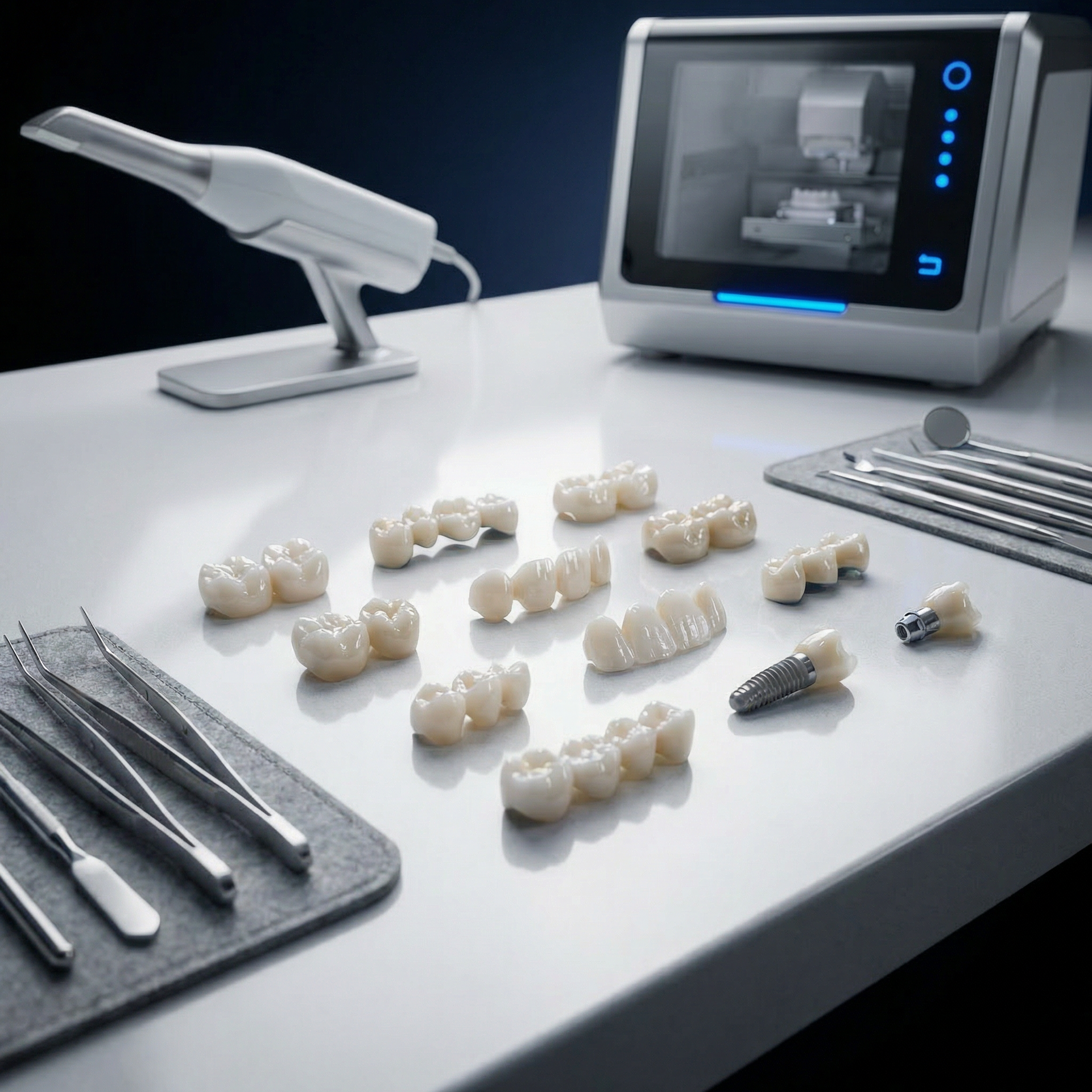
Flexural strength (measured in MPa) determines how much load a restoration can take. A dental lab's guide to why it matters when selecting zirconia and other materials.
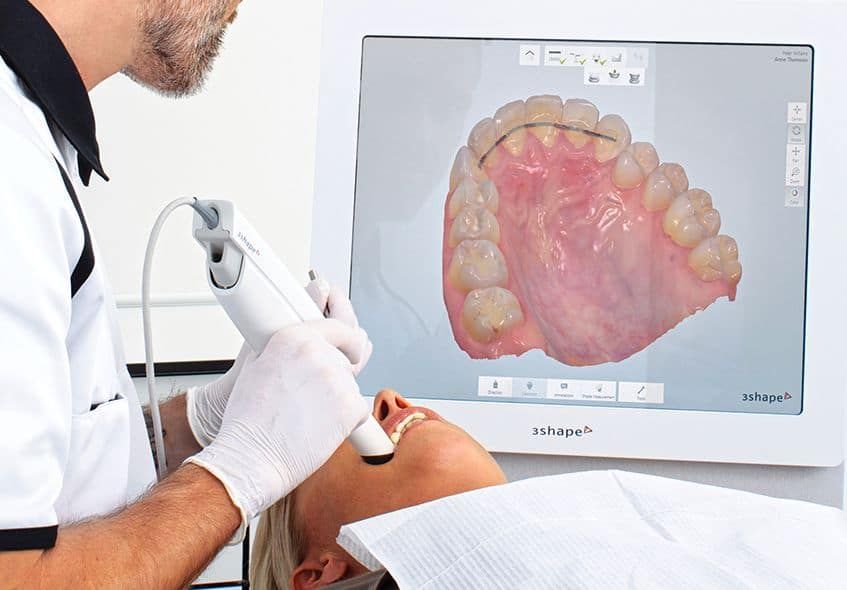
Why digital workflows fit modern dentistry: better accuracy, faster turnaround, and a smoother experience for both the practice and the patient.
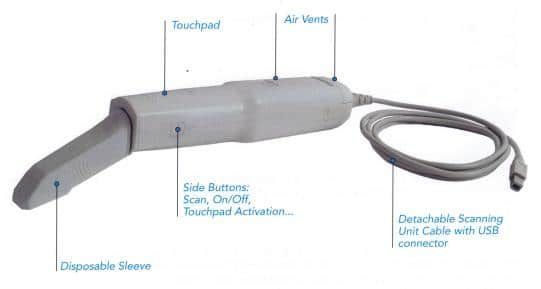
Step-by-step guidance on safely disinfecting your intraoral scanner between patients to keep infection control tight in the dental office.
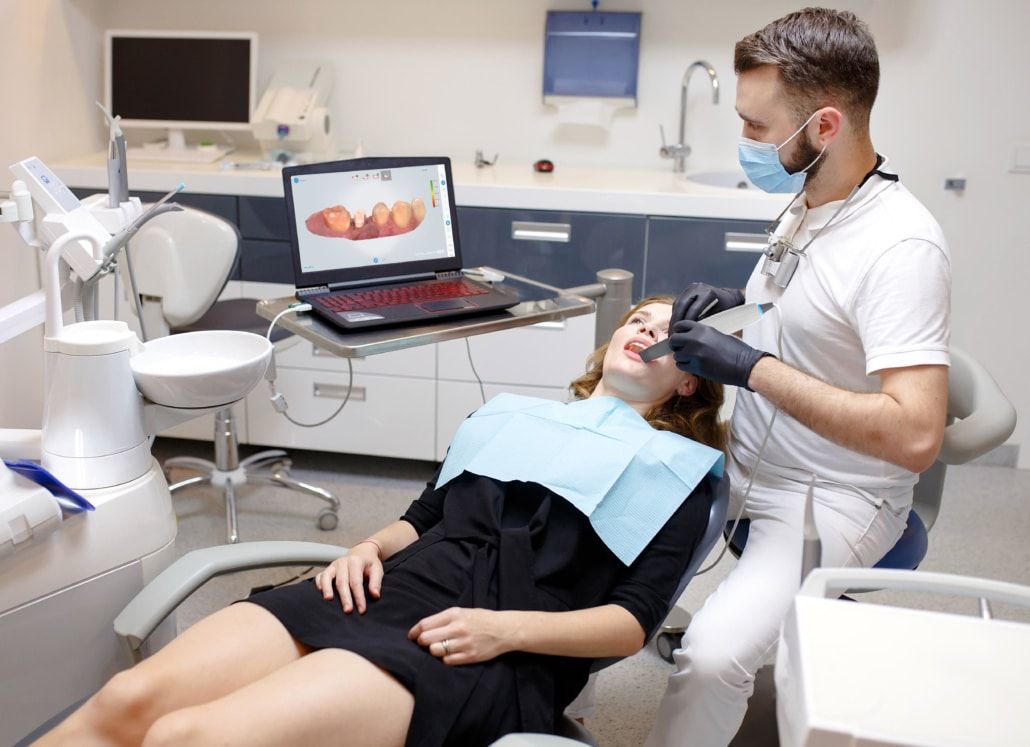
How intraoral scanners improve accuracy, speed, and case acceptance in the dental practice, plus what to look for when choosing a scanner.