
Two Methods for Cementing Crowns and Bridges

marketing • November 27, 2018

Share this article

Cementation is the last step in a crown or bridge case, and it has a big influence on how long the restoration lasts. There are two main approaches, conventional cementation and adhesive bonding, and choosing the right one comes down to the material, the preparation, and how well you can control moisture.


Conventional cementation


Conventional cementation relies on the mechanical retention of the preparation. The cement fills the gap between the restoration and the tooth and locks the crown in place, rather than chemically bonding to it. Common choices include glass ionomer, resin-modified glass ionomer, zinc phosphate, and polycarboxylate cements.


This approach is simple, forgiving of a little moisture, and works well when the preparation has good retention and resistance form, such as adequate axial wall height and taper. For strong, retentive full-coverage crowns, conventional cementation is often all you need.


Adhesive bonding


Adhesive bonding uses a resin cement that chemically bonds to both the tooth and the restoration. Because the bond itself adds retention, this approach is the better choice when the preparation is short, over-tapered, or otherwise lacks mechanical retention, and for restorations that rely on adhesion for strength.


Bonding is more technique-sensitive. It demands careful isolation and a dry field, along with the correct surface treatment and primer for the material being bonded. Done well, it delivers excellent retention and a sealed margin.


How to choose between them


A few simple questions guide the decision:

  • How retentive is the prep? Retentive, textbook preps can be conventionally cemented. Short or tapered preps benefit from bonding.
  • What is the material? Full-strength zirconia can usually be conventionally cemented, while glass ceramics like lithium disilicate are often bonded for best results.
  • Can you control moisture? Bonding needs a dry field. If isolation is difficult, a conventional cement may be the safer choice.

Material-specific tips

Full-contour zirconia such as Z Crown zirconia is highly retentive and can be conventionally cemented in most retentive preps, or bonded with an MDP-containing primer when extra retention is needed. Lithium disilicate like e.max is typically etched and bonded with resin cement to reach its full strength, especially in thinner restorations.


When in doubt, match the cementation protocol to the material and the prep, and confirm the surface treatment before you seat. Have a case you would like help planning? Send it to Bayshore Dental Studio and our team will help you get a predictable result.

Recent Posts

Bayshore IntelliScan 3D intraoral scanner cart in a dental operatory with matching scanners in addit
By Dustin Drudy • October 16, 2026
Should your practice own its intraoral scanners or join a scanner program? Compare 5-year cost, lab freedom, and support for multi-location groups.
By Dustin Drudy • October 16, 2026
Buying an intraoral scanner? Evaluate support, software, versatility, clinical proof, 5-year cost, warranty, and scan quality before you commit.
By Dustin Drudy • October 15, 2026
What to ask before choosing a flexible partial denture lab: rebasing, adding teeth, repairs, materials, fit, and turnaround. A practical guide for dentists.
Bayshore IntelliScan 3D intraoral scanner and cart sending a digital impression to the dental lab
By Dustin Drudy • October 5, 2026
Chairside milling or a lab-centered workflow? Compare cost, team skills, turnaround, and case range to choose the right intraoral scanner workflow.
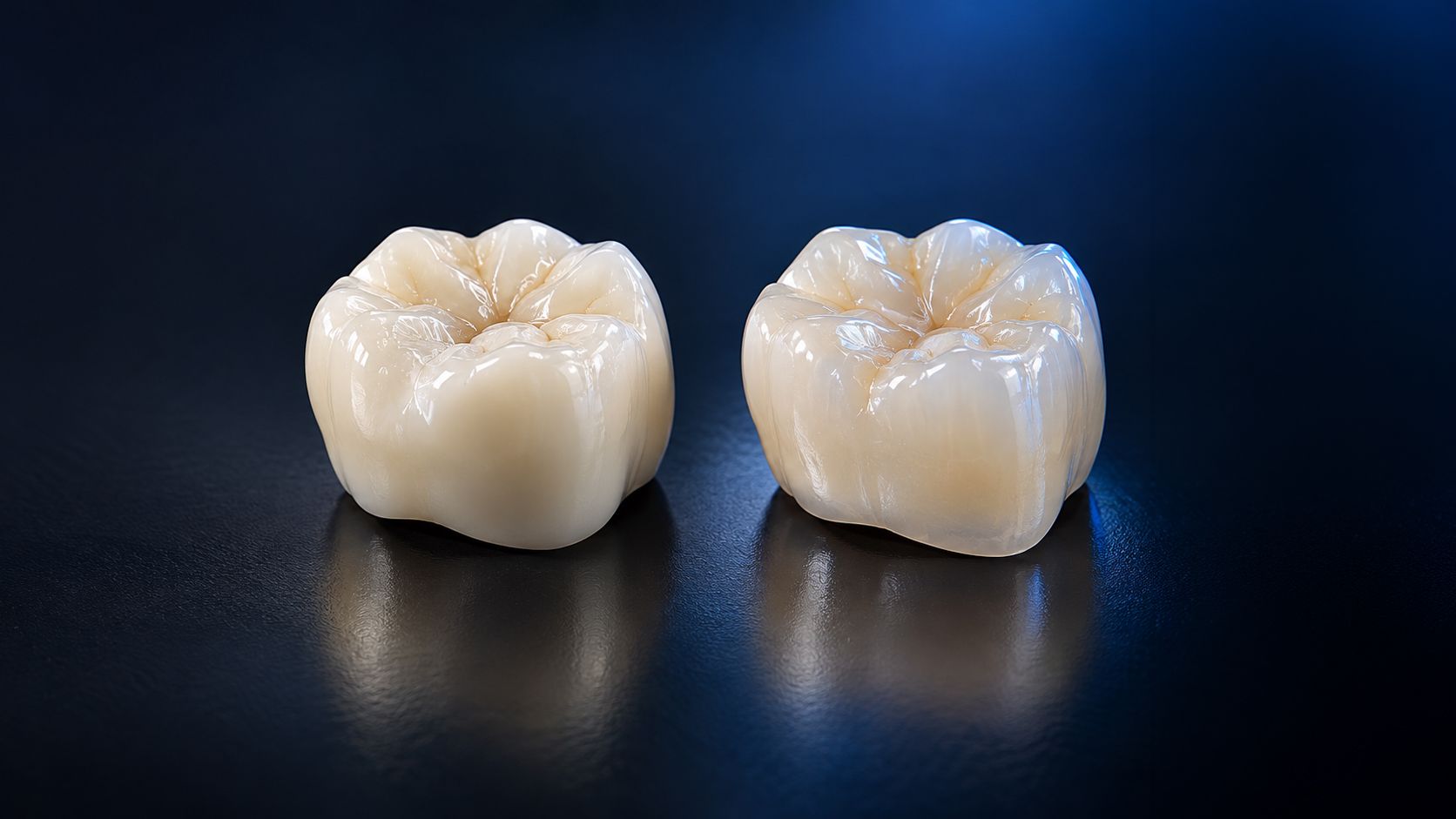
A zirconia dental crown and an IPS e.max crown side by side, comparing strength and translucency
By Dustin Drudy • September 29, 2026
Zirconia or IPS e.max? Compare strength, esthetics, prep, and ideal cases so you can choose the right crown material for every tooth. A lab guide from Bayshore.
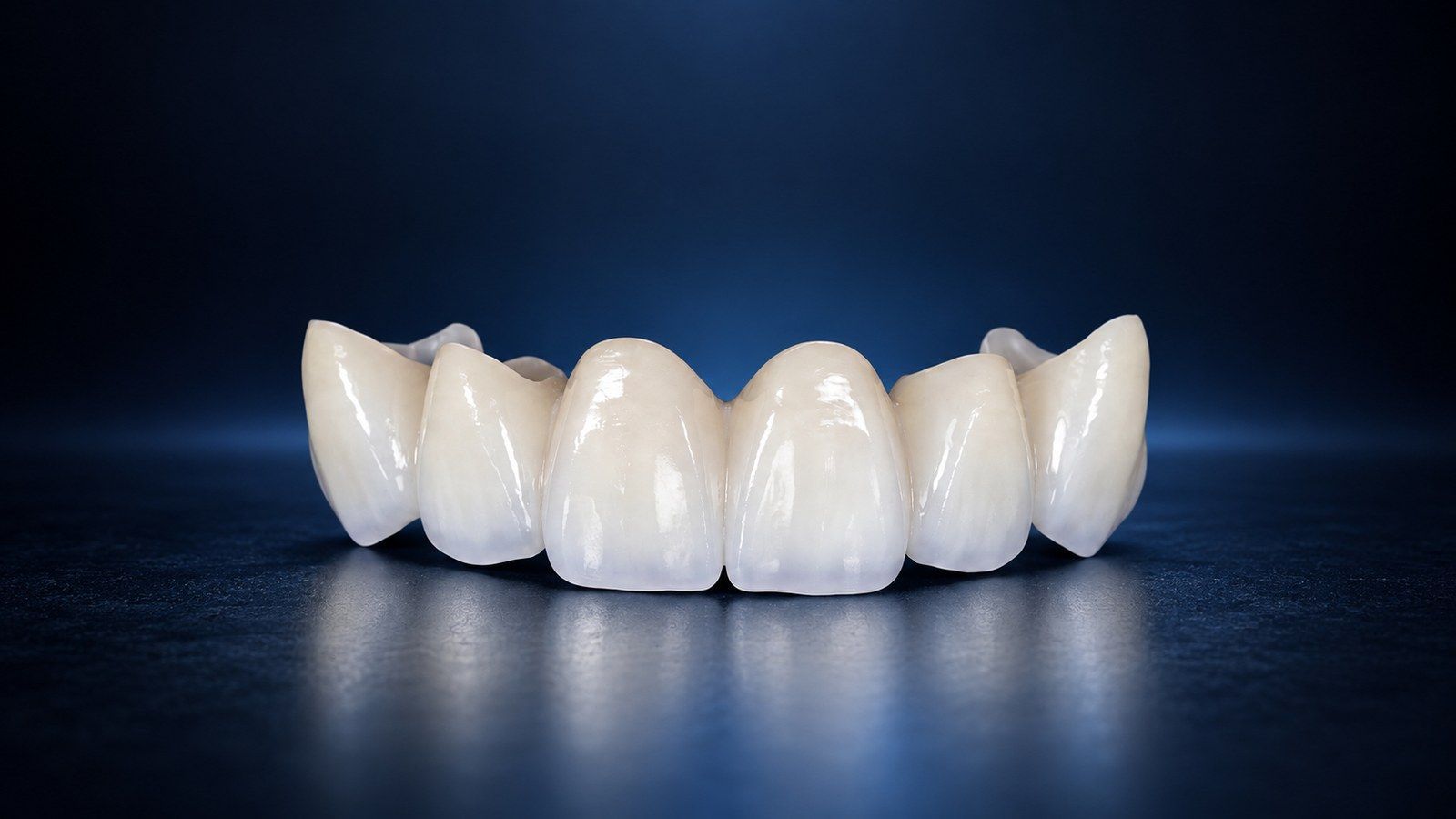
Monolithic zirconia dental bridge under studio lighting
By Dustin Drudy • September 22, 2026
How to prepare a zirconia bridge: reduction, margins, connector size for long spans, monolithic vs layered, and cementation. A clinical guide from a dental lab.
By Bayshore • January 4, 2023
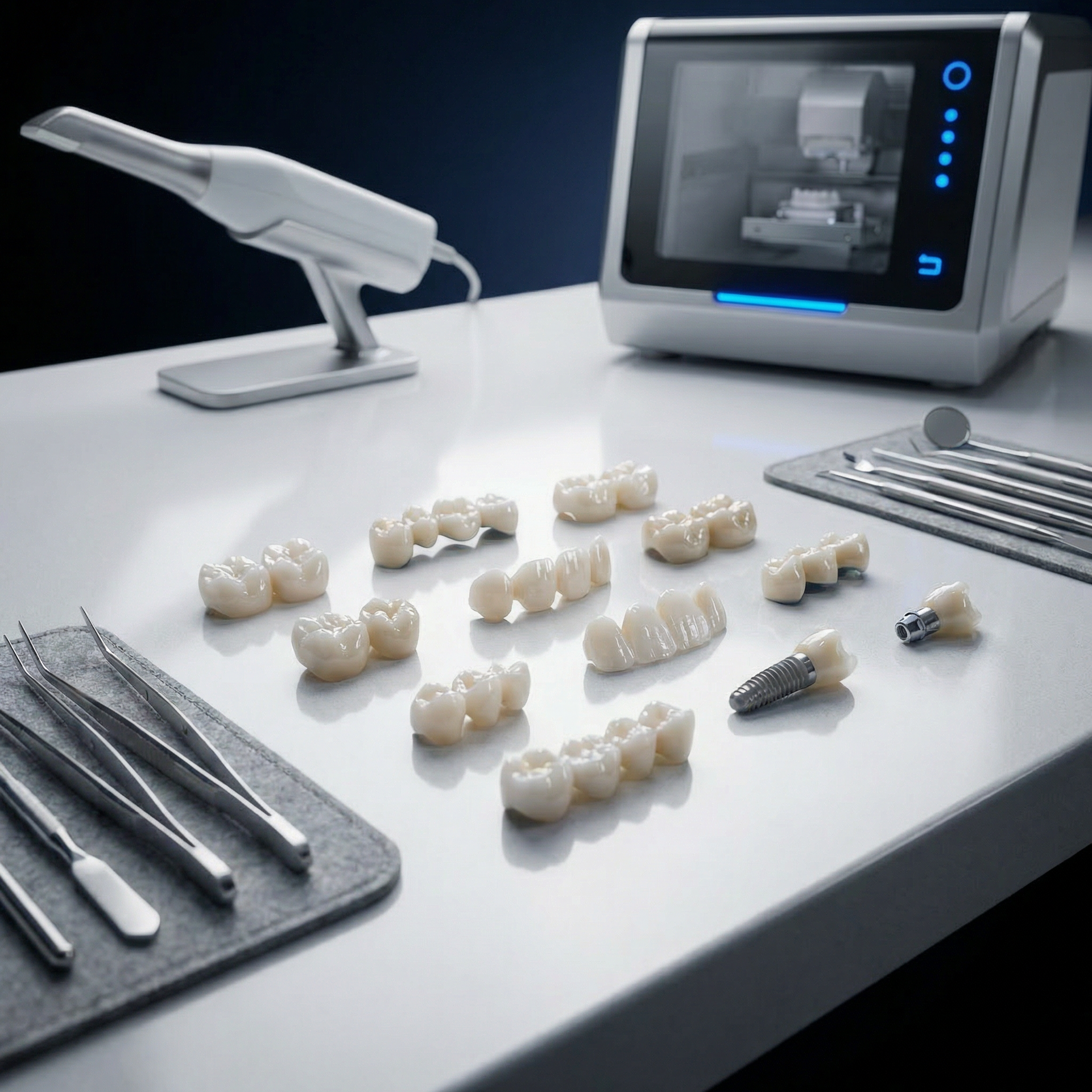
Flexural strength (measured in MPa) determines how much load a restoration can take. A dental lab's guide to why it matters when selecting zirconia and other materials.
By Bayshore • October 11, 2020
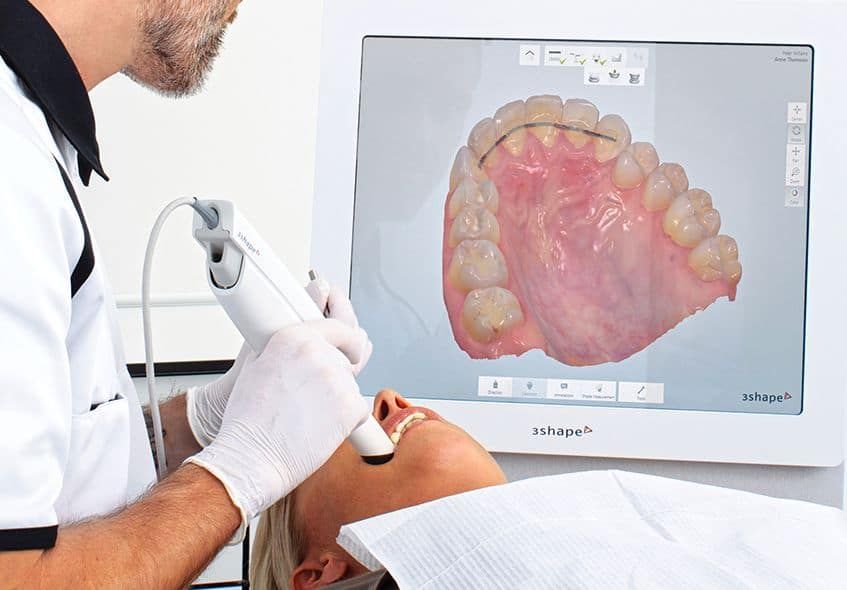
Why digital workflows fit modern dentistry: better accuracy, faster turnaround, and a smoother experience for both the practice and the patient.
By Bayshore • October 11, 2020
How clear aligners are reshaping orthodontics, and what dentists should know about offering aligner therapy in their own practice.
By Bayshore • August 22, 2020
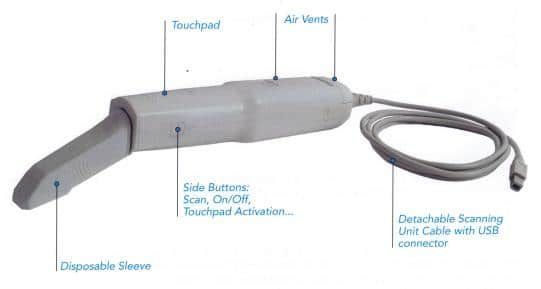
Step-by-step guidance on safely disinfecting your intraoral scanner between patients to keep infection control tight in the dental office.

Show More