Why Flexural Strength Is Important When Selecting A Restoration Material
Flexural strength is one of the most important properties to understand when you choose a restorative material. It tells you how much force a material can take before it fractures, which directly affects how long a restoration lasts and where you can safely use it.
What is flexural strength?
Flexural strength is expressed in megapascals (MPa), the unit that measures how much pressure or force per unit area a material can withstand before breaking. Every manufacturer of dental materials publishes MPa values, because flexural strength is a key indicator of durability for materials like zirconium oxide.
From a scientific standpoint, flexural strength is a material's resistance to fracture. It measures how much force is needed to break a test sample of a defined size. The higher the value, the more force the material can take before it fails.
Why measuring methods matter
The flexural strength reported in a test depends heavily on the measuring method and how the samples were prepared, for example whether the surface was polished or ground. Because of this, values measured with different methods are not directly comparable. For a fair comparison, the numbers have to come from the same method. The industry is working toward a standard, but it is not fully settled yet.
The advantages of high flexural strength
Materials with high flexural strength offer real clinical benefits, especially in these situations:
- Long-span restorations. The stronger the material, the more units a restoration can safely include. The longer the span, the more strength it needs.
- Stress-bearing restorations. High flexural strength is essential for posterior crowns and for bruxism patients, where heavy occlusal load would fracture a weaker material.
- Minimally invasive preparations. A high-strength material can be made thinner while staying durable, which means less tooth reduction and more conservative preps.
Zirconia: the leader in strength
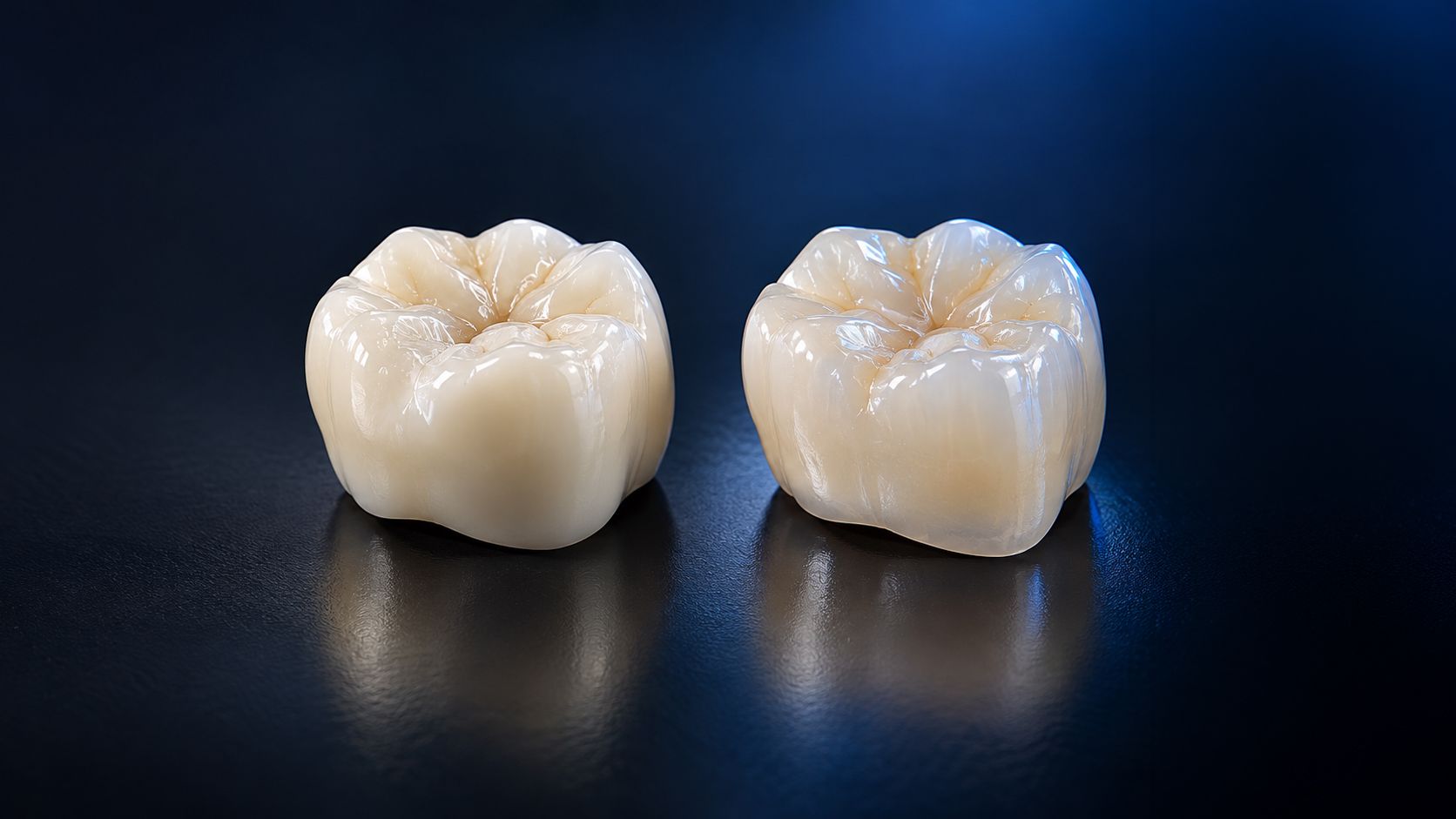
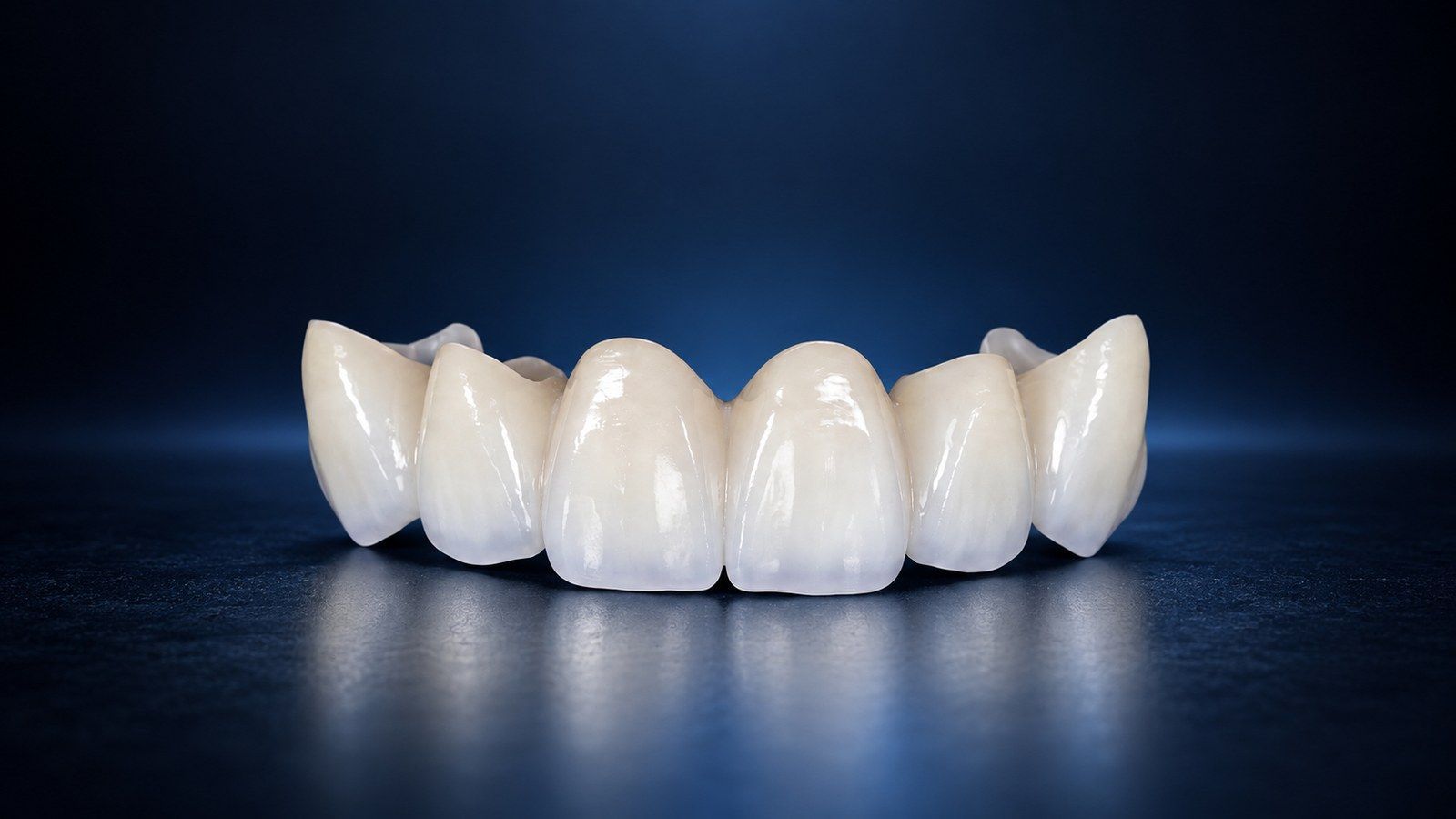
Zirconia is the best-performing all-ceramic material in dentistry when it comes to flexural strength. Lower-translucency dental zirconias reach roughly 1,200 MPa, while more translucent zirconias range from about 600 to 900 MPa.
There is a trade-off: strength and translucency move in opposite directions. The more translucent the material, the lower its flexural strength, and the stronger the material, the less translucent it tends to be. That balance is exactly what guides material selection case by case.
Choosing the right material for the case
This is why flexural strength sits at the center of restorative planning. For high-load and long-span work, lean toward a high-strength option like Z Crown zirconia. For anterior cases where translucency matters most, e.max lithium disilicate is worth considering.
Need help matching the material to the case? Send your next case to Bayshore Dental Studio and our team will help you get a strong, predictable result.