
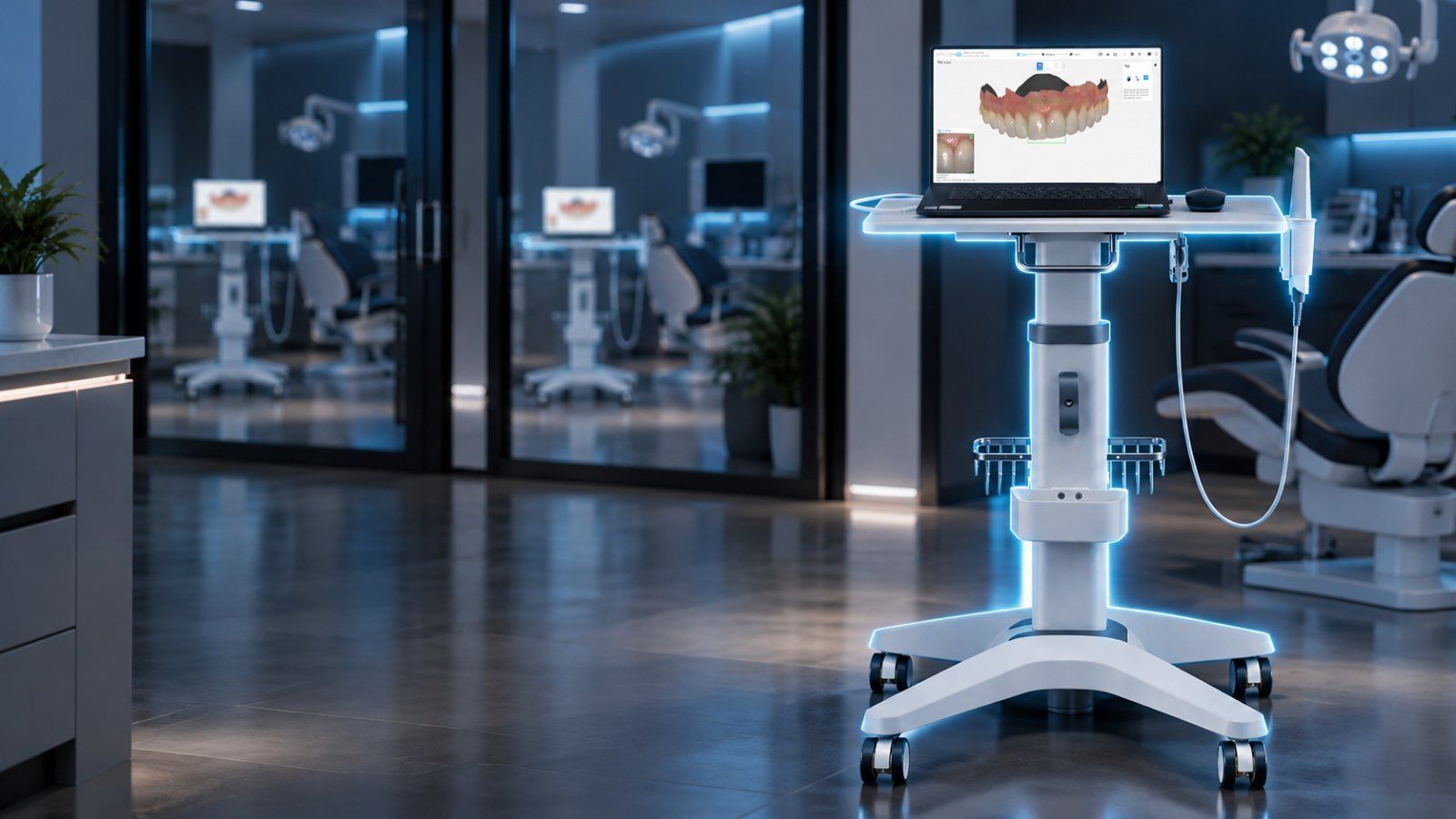
How to Disinfect the Intraoral Scanner in your Dental Office

Bayshore • August 22, 2020

Share this article

An intraoral scanner moves from patient to patient all day, so keeping it clean is an essential part of infection control. A simple, consistent routine protects your patients, protects the device, and keeps you compliant.


Start with the manufacturer's instructions


Always follow the manufacturer's instructions for use. Scanners differ in which parts are removable, which surfaces tolerate which disinfectants, and how the tip is reprocessed. The IFU is the final word on approved products and methods, and following it also protects your warranty.


Wipe down the wand and cords


Between patients, wipe the wand body, cords, and any touched surfaces with an approved intermediate-level disinfectant wipe. Follow the required contact and wet time on the product label so the surface stays visibly wet for the full duration. Avoid harsh solvents or anything not cleared by the manufacturer, since these can cloud optics or damage the housing.


Reprocess the tip correctly


The scanner tip is the part that enters the mouth, so it needs the most attention. Depending on the system, tips are either autoclavable for a set number of cycles or single-use and disposable. Confirm which type you have, track the cycle count for reusable tips, and never exceed the rated limit. A cracked or fogged tip should be retired.


Consider barrier protection


Many practices add a disposable barrier sleeve over the wand as an extra layer, which speeds up turnover between patients. A barrier is a helpful supplement, not a replacement, so continue to disinfect the wand surfaces on the schedule the manufacturer specifies.


Build it into your routine


The goal is a routine that runs the same way every time: barrier off, tip reprocessed, surfaces wiped for the full contact time, fresh barrier and tip on for the next patient. A predictable checklist keeps the scanner clean without slowing the day down.


A well-maintained scanner also produces better scans. If you are considering going digital, an easy-to-own option like IntelliScan 3D fits smoothly into a modern practice. Send your next case to Bayshore Dental Studio to see the digital workflow in action.

Recent Posts

Bayshore IntelliScan 3D intraoral scanner cart in a dental operatory with matching scanners in addit
By Dustin Drudy • October 16, 2026
Should your practice own its intraoral scanners or join a scanner program? Compare 5-year cost, lab freedom, and support for multi-location groups.
By Dustin Drudy • October 16, 2026
Buying an intraoral scanner? Evaluate support, software, versatility, clinical proof, 5-year cost, warranty, and scan quality before you commit.
By Dustin Drudy • October 15, 2026
What to ask before choosing a flexible partial denture lab: rebasing, adding teeth, repairs, materials, fit, and turnaround. A practical guide for dentists.
Bayshore IntelliScan 3D intraoral scanner and cart sending a digital impression to the dental lab
By Dustin Drudy • October 5, 2026
Chairside milling or a lab-centered workflow? Compare cost, team skills, turnaround, and case range to choose the right intraoral scanner workflow.
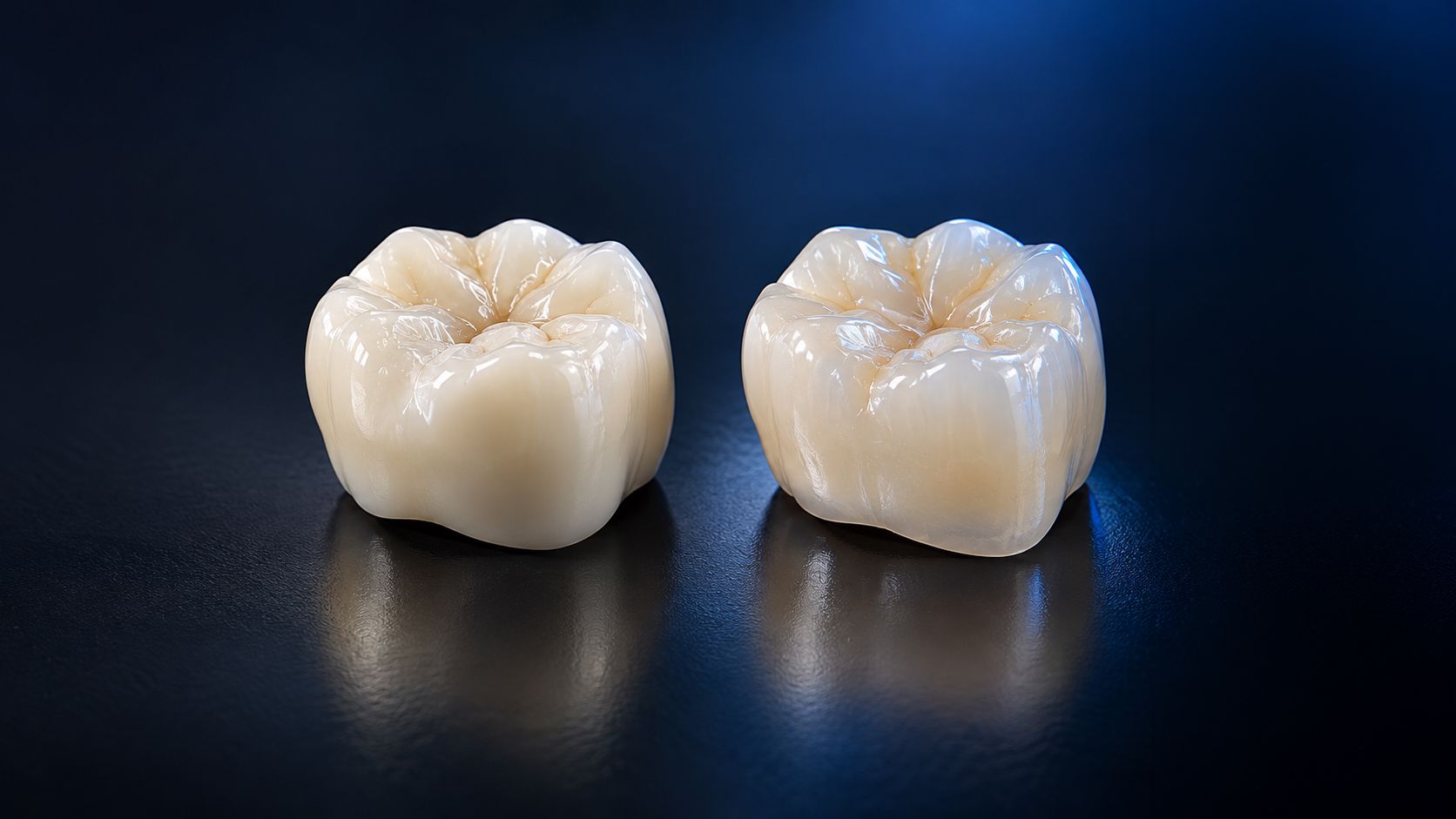
A zirconia dental crown and an IPS e.max crown side by side, comparing strength and translucency
By Dustin Drudy • September 29, 2026
Zirconia or IPS e.max? Compare strength, esthetics, prep, and ideal cases so you can choose the right crown material for every tooth. A lab guide from Bayshore.
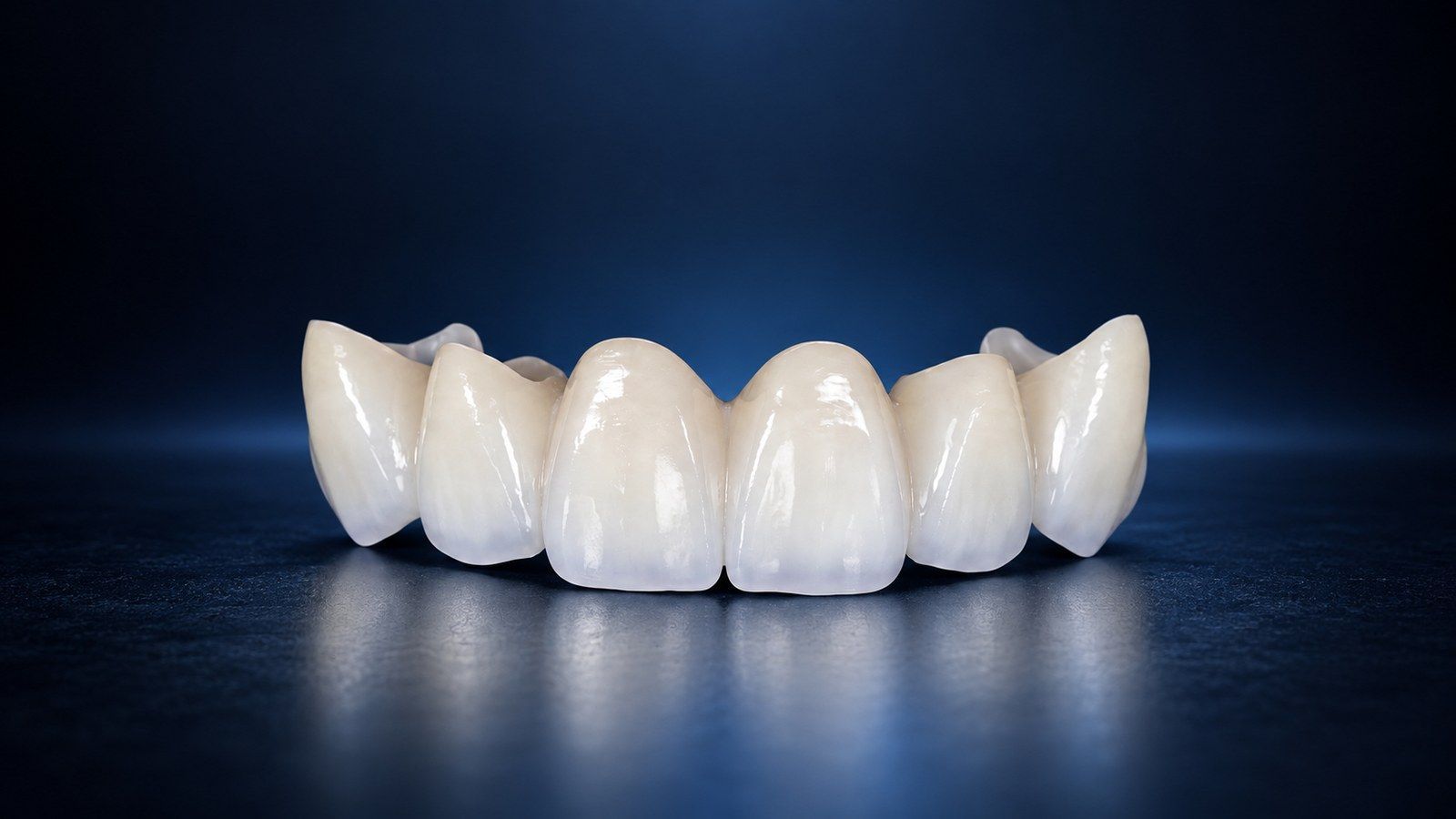
Monolithic zirconia dental bridge under studio lighting
By Dustin Drudy • September 22, 2026
How to prepare a zirconia bridge: reduction, margins, connector size for long spans, monolithic vs layered, and cementation. A clinical guide from a dental lab.
By Bayshore • January 4, 2023
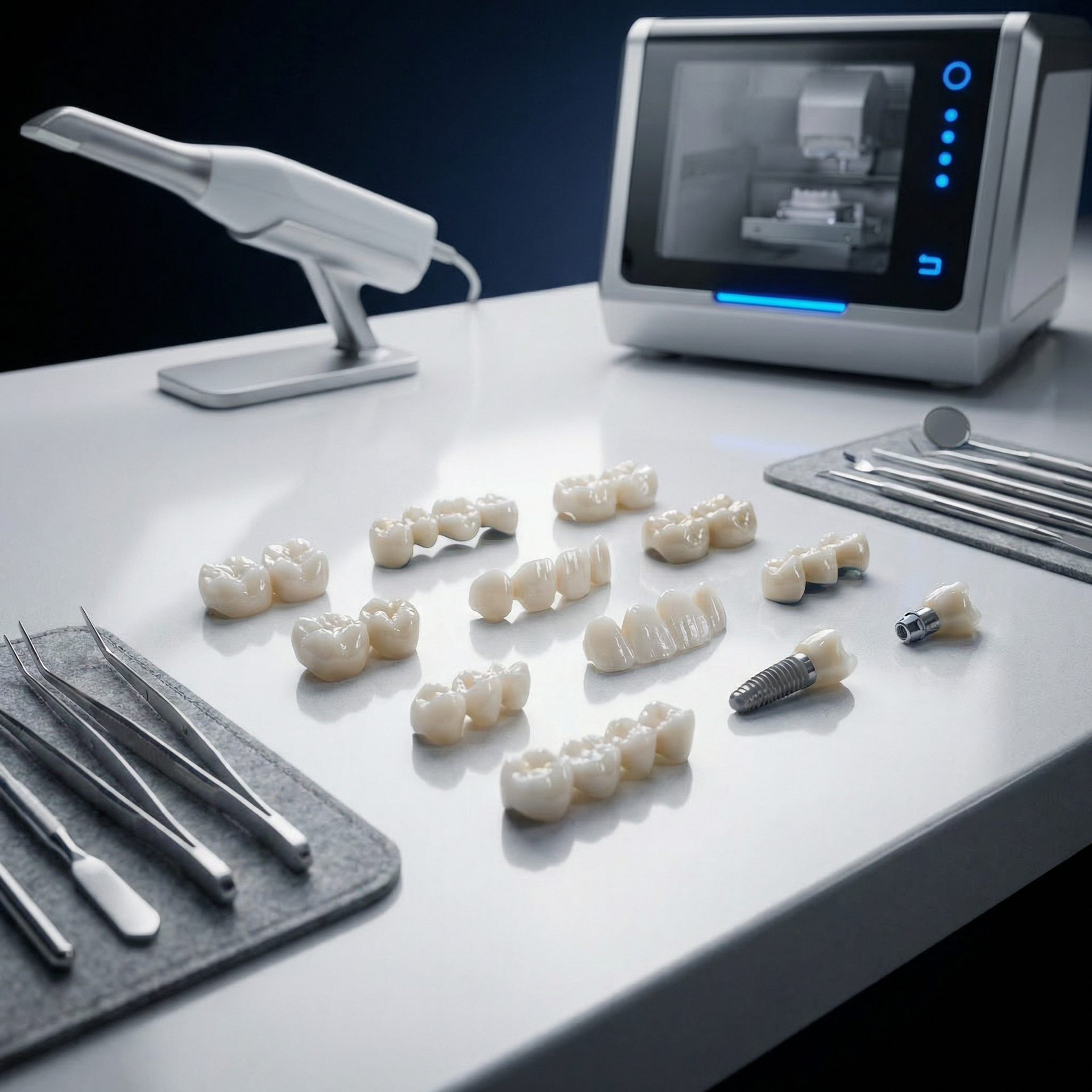
Flexural strength (measured in MPa) determines how much load a restoration can take. A dental lab's guide to why it matters when selecting zirconia and other materials.
By Bayshore • October 11, 2020
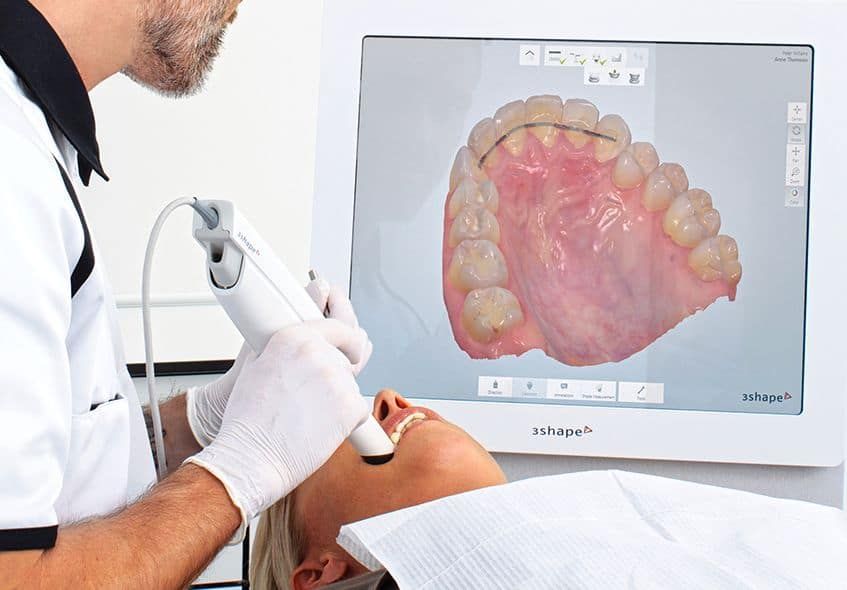
Why digital workflows fit modern dentistry: better accuracy, faster turnaround, and a smoother experience for both the practice and the patient.
By Bayshore • October 11, 2020
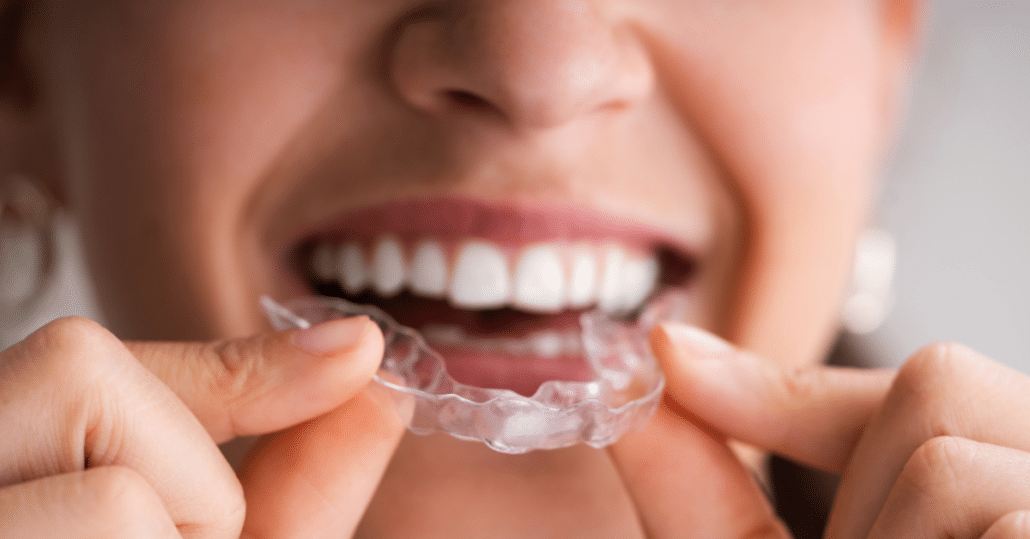
How clear aligners are reshaping orthodontics, and what dentists should know about offering aligner therapy in their own practice.
By Bayshore • August 22, 2020
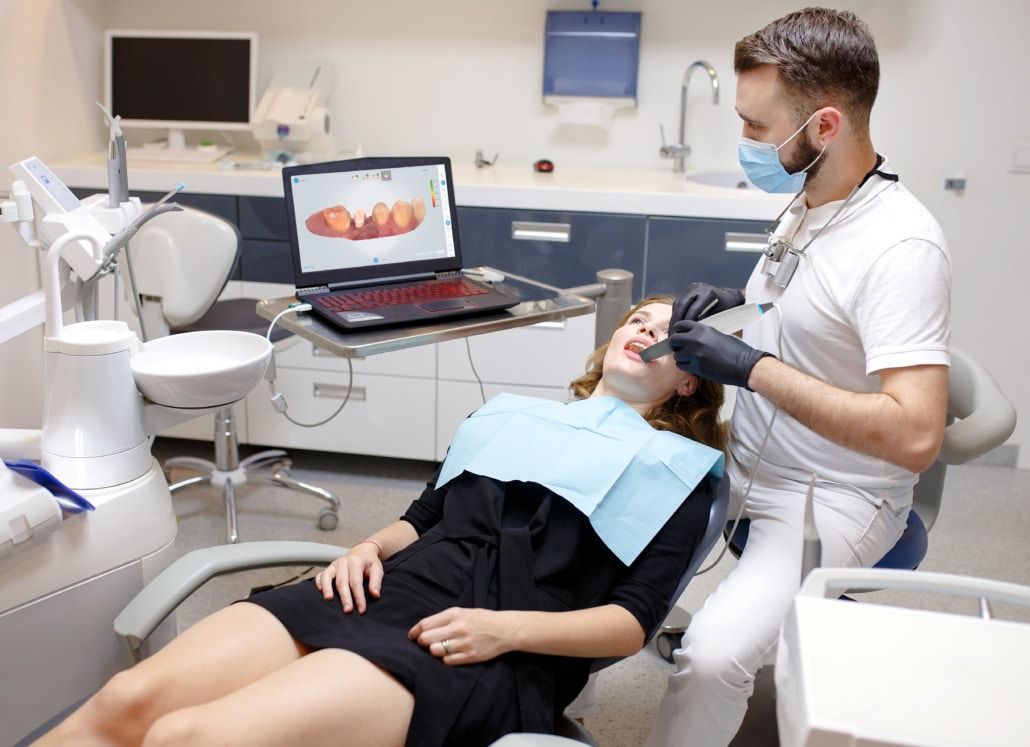
How intraoral scanners improve accuracy, speed, and case acceptance in the dental practice, plus what to look for when choosing a scanner.

Show More